

Flettons advice
Home buying advice, from surveyors.
Plain-English answers on cracks, damp, roofs, older homes, extensions and ownership: what each issue is, how to spot it and what to do next.
Buying a system-built home? See the non-traditional construction guides
- 75 guides
- 7 topics
All advice
Cracks, subsidence and ground movement
 Cracks, subsidence & ground
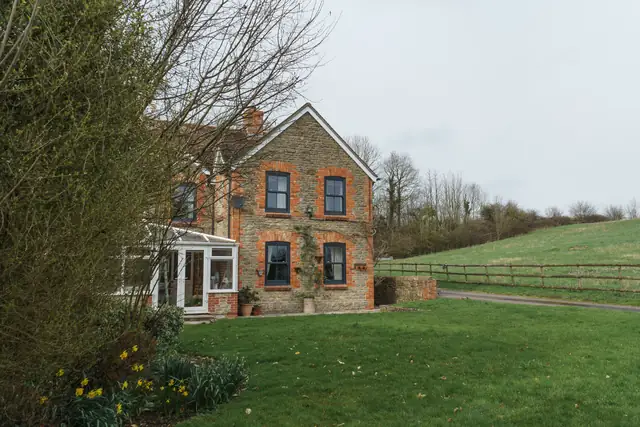
Boundary and retaining walls: defects and maintenance
Masonry boundary and retaining walls should be inspected at least twice a year, ideally in spring and autumn, for cracks, bulging or leaning sections,...
7 min read
 Cracks, subsidence & ground
Buying a house with mature trees in the garden: what to check
Mature trees add beauty, shade and better air quality, but buyers should check for Tree Preservation Orders, understand that a tree owner can be liabl...
5 min read
 Cracks, subsidence & ground
Can ivy, trees and shrubs damage a house?
Yes. Ivy can widen cracks in brickwork and mortar, hold moisture against walls and harbour pests. Overhanging trees can contribute to foundation probl...
6 min read
 Cracks, subsidence & ground
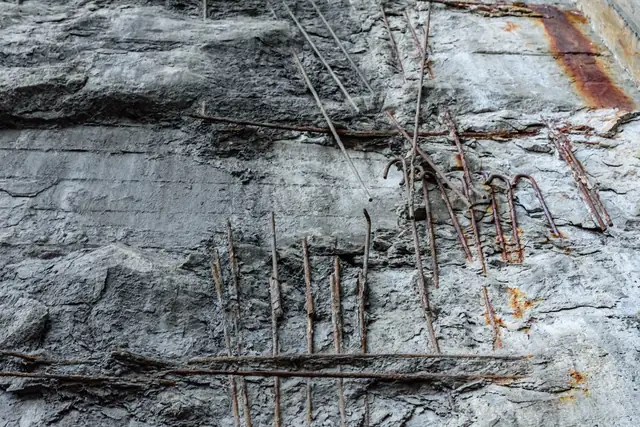
Concrete cancer: causes, signs and repair
Concrete cancer happens when the steel reinforcement inside concrete corrodes and expands, cracking and flaking the surrounding concrete. It is caused...
5 min read
 Cracks, subsidence & ground
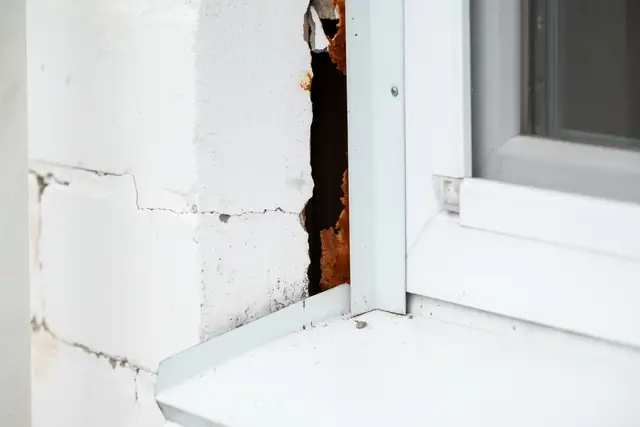
Cracks around bay windows: causes and when to worry
Cracks around bay windows often reflect localised movement or inadequate support to the bay. Hairline cracks in plaster are usually minor thermal move...
5 min read
 Cracks, subsidence & ground
Cracks in house walls: when should you worry?
Most cracks in a house are cosmetic: shrinkage, thermal movement or long-finished settlement. Investigate stepped cracking in brickwork, cracks wider...
11 min read
 Cracks, subsidence & ground
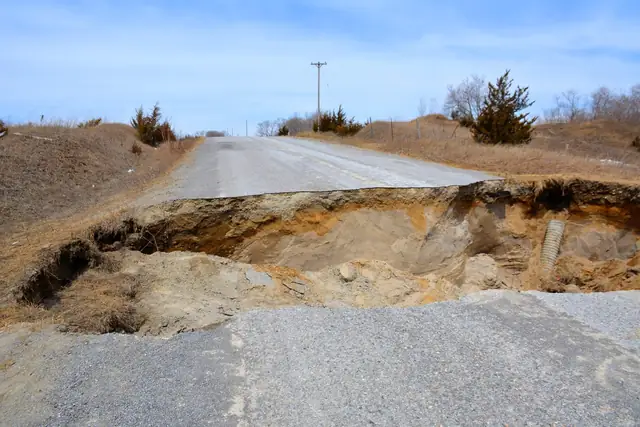
Ground cavities in a Groundsure report: should you worry?
Ground cavities are hollow spaces in the ground, caused naturally by weathering, erosion or dissolving rock, or by human activity such as mining and t...
4 min read
 Cracks, subsidence & ground
Japanese knotweed: identification, risks and the law
Japanese knotweed is an invasive perennial plant that spreads from small fragments of its underground rhizomes. Its rhizomes can grow through cracks i...
7 min read
 Cracks, subsidence & ground
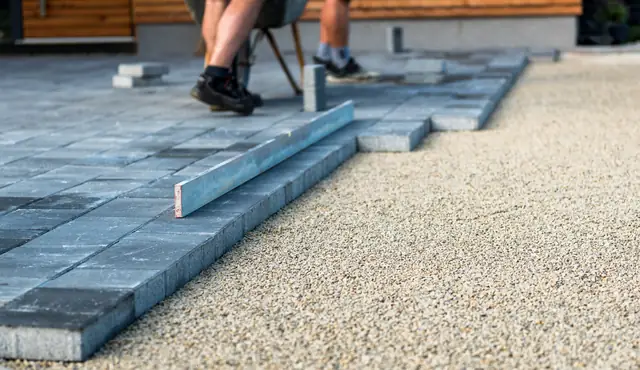
Patios and paving: materials, installation and common faults
A durable patio depends on the right paving material, a properly excavated and compacted base, and a slight slope away from the house so water drains...
7 min read
 Cracks, subsidence & ground
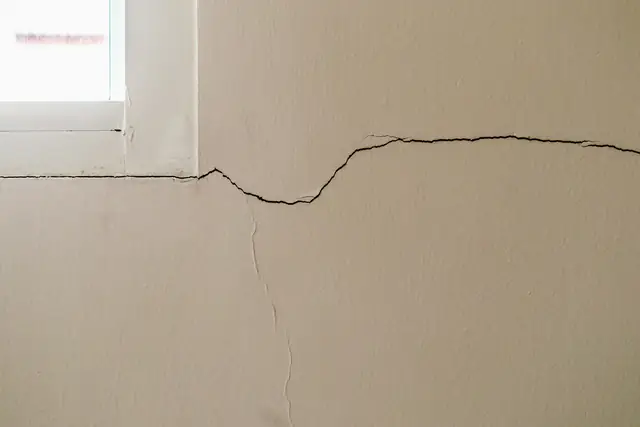
Signs of subsidence in a house: what to look for
The main signs of subsidence are new or widening cracks, often diagonal and wider at the top, especially around doors, windows and where an extension...
5 min read
 Cracks, subsidence & ground
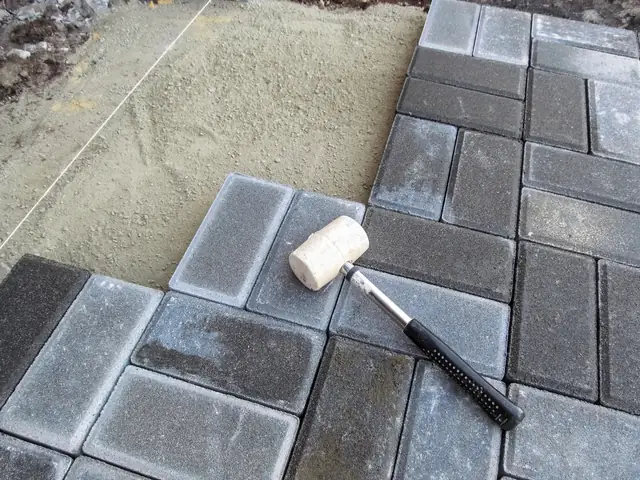
Sinking block paving: causes of undulations and how to repair
Undulations in block paving are dips or sinking points where the paving has dropped below its original level. They are typically caused by substandard...
4 min read
Cracks, subsidence & ground
Sloping floors in older houses: causes, risks and repairs
Sloping floors in older houses are not always a sign of serious structural problems. Minor slopes often come from gradual settlement over decades or f...
5 min read
 Cracks, subsidence & ground
Soil types, foundations and subsidence risk in the UK
Subsidence risk depends mainly on the soil beneath a building and the type of foundation it stands on. Clay soils shrink and swell with moisture, and...
7 min read
 Cracks, subsidence & ground
Tree removal in the UK: when do you need permission?
Permission is needed before felling or pruning a tree protected by a Tree Preservation Order, and the council must be notified before work on trees ov...
7 min read
 Cracks, subsidence & ground
Underground drainage systems: types, problems and CCTV surveys
An underground drainage system directs water away from buildings, roads and other infrastructure, preventing flooding, soil erosion and foundation dam...
5 min read
 Cracks, subsidence & ground
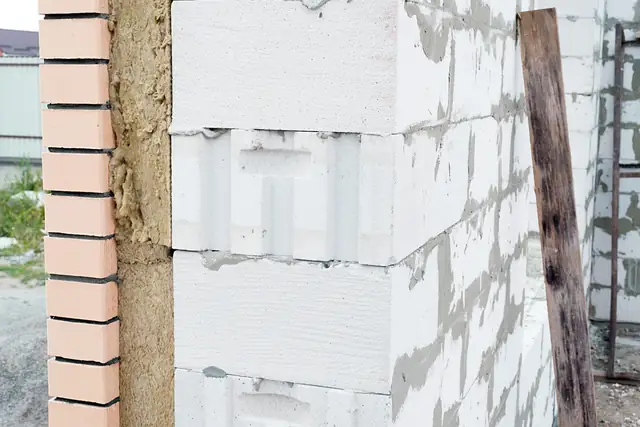
Wall tie corrosion: signs, risks and what buyers should know
Wall tie corrosion is a serious structural defect if ignored, and routine, well-established work to put right when caught early. The risk group is cav...
10 min read
Roofs and roof coverings
 Roofs & roof coverings
1970s fibre cement roof tiles: asbestos, lifespan and risks
Fibre cement roof tiles from the 1970s were mainly made of cement and asbestos fibres and were expected to last 30 to 50 years, so many are now reachi...
6 min read
 Roofs & roof coverings
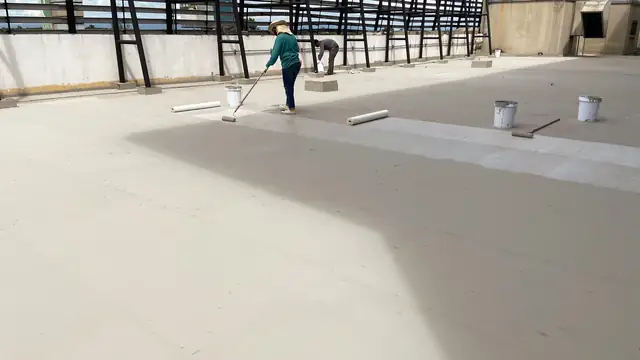
Cold applied liquid roof coverings: lifespan and risks
A cold applied liquid roof covering is a coating applied as a liquid that cures into a seamless, waterproof membrane over flat, pitched or complex roo...
6 min read
 Roofs & roof coverings
EPDM rubber roofs: lifespan, problems and inspection
EPDM is a synthetic rubber membrane widely used on low-slope roofs in the UK. Properly installed and maintained, it can last 20 to 25 years or more. T...
7 min read
 Roofs & roof coverings
Eternit fibre cement roof tiles: lifespan, defects and asbestos
Eternit fibre cement roof tiles are made from cement mixed with fibres and have been used for decades. Life expectancy is given as 30 to 50 years, dep...
5 min read
 Roofs & roof coverings
GRP fibreglass roofs: lifespan, defects and maintenance
A GRP (glass reinforced polyester) roof is a seamless, watertight covering made of polyester resin reinforced with glass fibres, used mainly on flat r...
8 min read
 Roofs & roof coverings
Lead roofing: lifespan, defects, risks and maintenance
Lead is a malleable, durable and corrosion resistant roof covering that, when installed correctly and maintained properly, can last over 100 years. Ty...
8 min read
Roofs & roof coverings
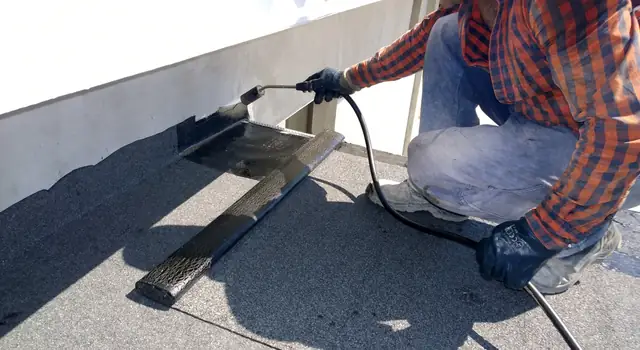
Mastic asphalt roofs: lifespan, pros, cons and risks
A mastic asphalt roof is a flat roof covering made from bitumen, limestone powder and sand, heated and laid as a dense, seamless, waterproof layer. Pr...
5 min read
 Roofs & roof coverings
Mineral felt roofs: lifespan, defects, risks and alternatives
A mineral felt roof is a bitumen covering reinforced with fibreglass, polyester or organic fibre and topped with mineral granules, used mainly on flat...
8 min read
 Roofs & roof coverings
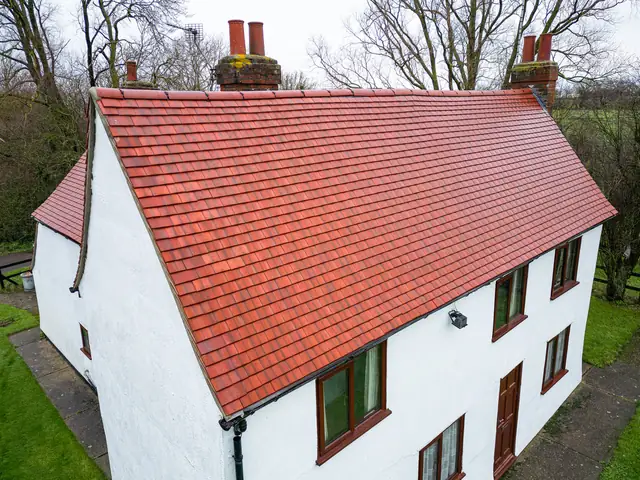
Redland 49 roof tiles: problems, lifespan and what to check
Redland 49s are concrete interlocking roof tiles introduced in 1949 and laid on huge numbers of British roofs from the 1950s to the 1980s. Around 50 y...
10 min read
 Roofs & roof coverings
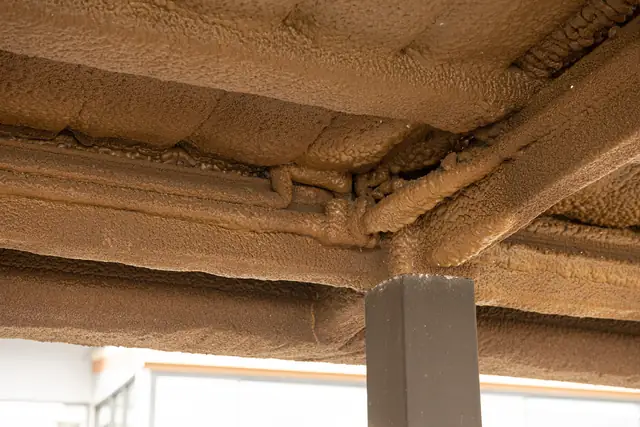
Spray foam insulation in the roof: risks when buying a house
Spray foam insulation is polyurethane and a foaming agent sprayed into walls, ceilings and roofs, where it expands and hardens. It insulates well, but...
4 min read
 Roofs & roof coverings
Transferable guarantees when buying a house: what to check
A transferable guarantee is a warranty on work such as roofing, structural repairs or remedial damp works that can pass from the seller to the buyer....
9 min read
Roofs & roof coverings
Vermiculite loft insulation: asbestos risk and what to do
Loose vermiculite loft insulation is a naturally occurring mineral, popular from the 1940s to the 1980s, that may be contaminated with asbestos. It lo...
4 min read
 Roofs & roof coverings
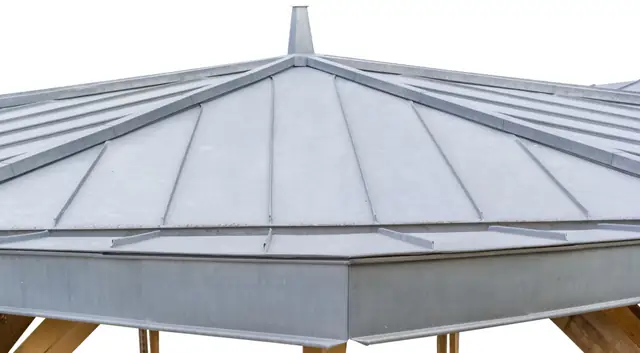
Zinc roofs: lifespan, common defects and inspection
A zinc roof can last between 80 and 100 years with proper maintenance. Zinc resists corrosion, forms a protective patina and is 100% recyclable. The m...
7 min read
Damp, mould, rot and timber
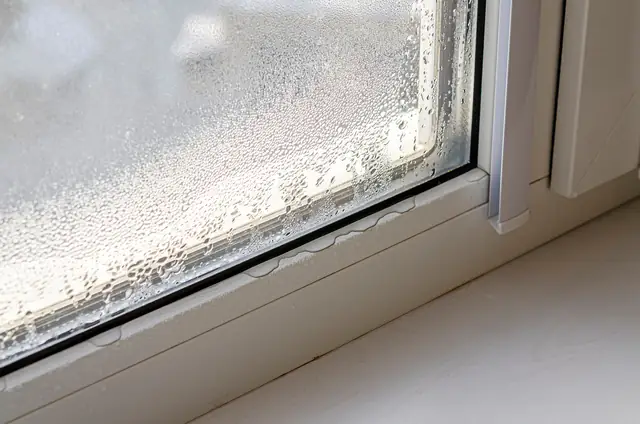 Damp, mould & timber
Condensation mould: causes, health risks and prevention
Condensation mould forms when warm, moist air from cooking, bathing or drying clothes indoors meets a cold surface, such as a window or external wall,...
4 min read
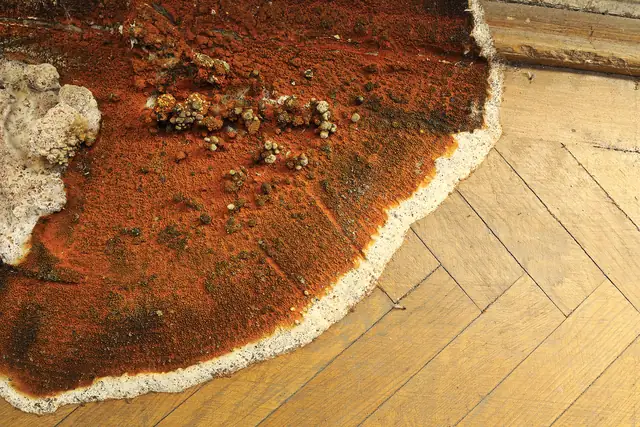 Damp, mould & timber
Dry rot in a house: signs, causes and treatment
Dry rot is timber decay caused by the fungus Serpula lacrymans, which digests the parts of wood that give it strength and stiffness. Signs include whi...
5 min read
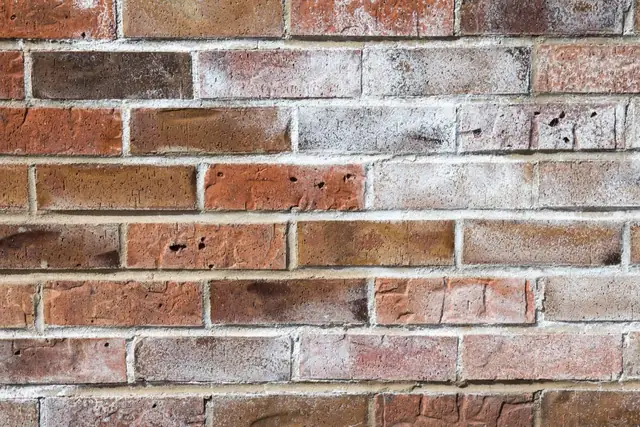 Damp, mould & timber
Efflorescence on brickwork: causes, prevention and removal
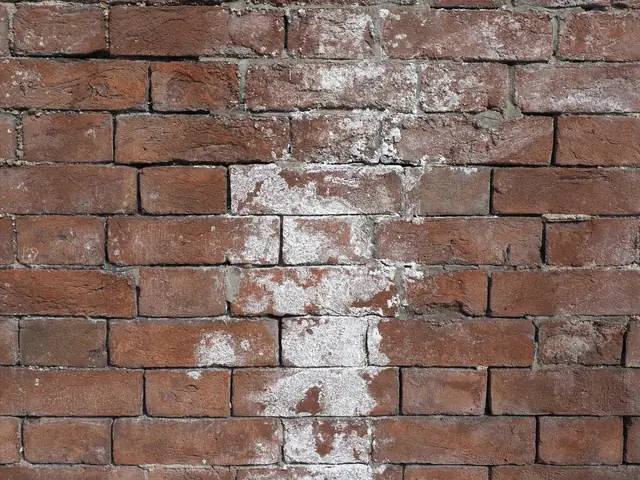
Efflorescence is a white, powdery deposit of crystalline salts on the surface of bricks. Moisture entering the brickwork dissolves salts from the bric...
4 min read
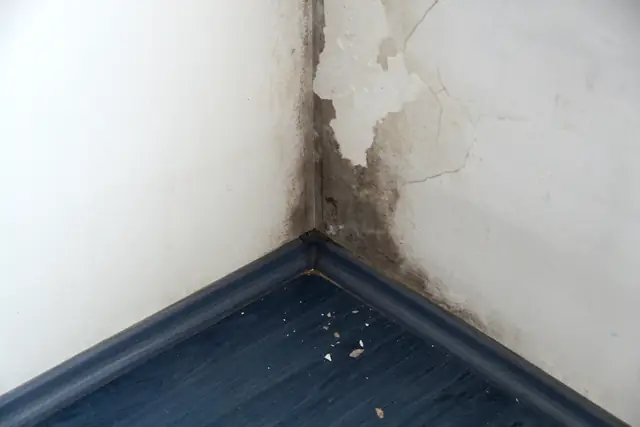 Damp, mould & timber
Mould in a leasehold flat: freeholder or leaseholder to fix?
It depends on the cause. Damp from the building fabric, such as a leaking roof, failed render or defective communal pipework, is normally the freehold...
10 min read
 Damp, mould & timber
Rising damp: signs, causes and how it is treated
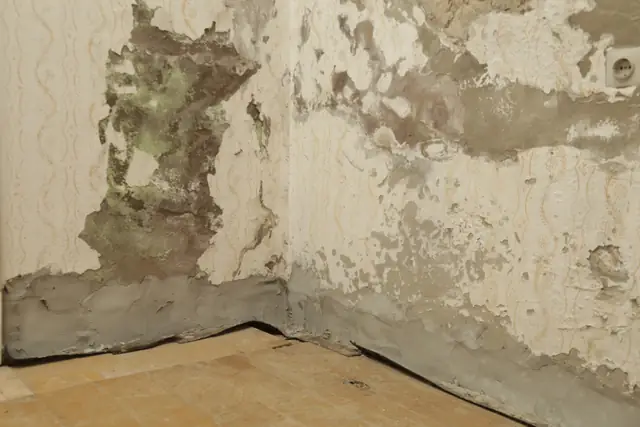
Rising damp is ground water moving up through a wall or floor, drawn up by capillary action in the bricks and mortar. It happens when the damp-proof c...
6 min read
 Damp, mould & timber
Salt contamination vs damp: how to tell the difference
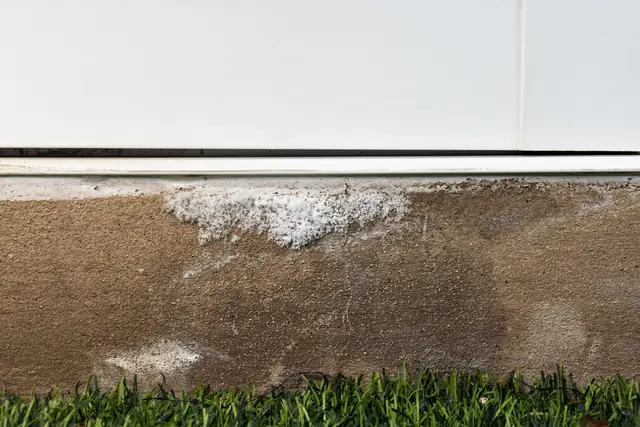
Salt contamination is the presence of salts in building materials, carried there by moisture, and shows as white, powdery deposits. Damp is excess moi...
5 min read
 Damp, mould & timber
Salts in masonry: signs, damage and how to deal with them
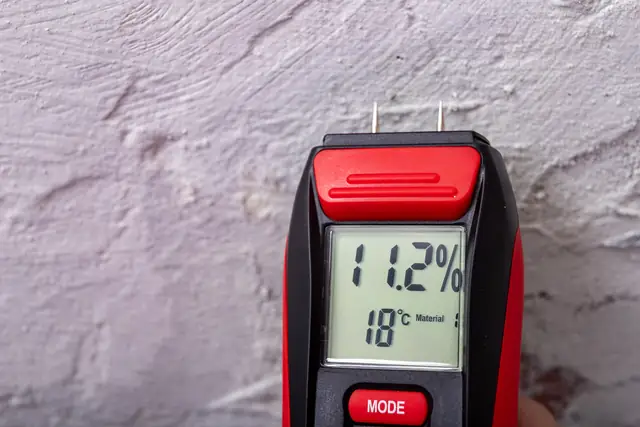
Electro-conductive salts, such as chlorides, nitrates and sulphates, dissolve in water and migrate through brick, stone and mortar, then crystallise a...
5 min read
 Damp, mould & timber
What is a damp and timber report, and do you need one?
A damp and timber report is a detailed examination of a property, inside and out, for signs of dampness and timber defects such as woodworm and rot. I...
4 min read
 Damp, mould & timber
Woodworm: signs, active or historic, and treatment
Woodworm is the larvae of wood-boring beetles, most commonly the Common Furniture Beetle in the UK. Signs are small round holes, fine powdery dust cal...
4 min read
Buying a home by its age
 Homes by age
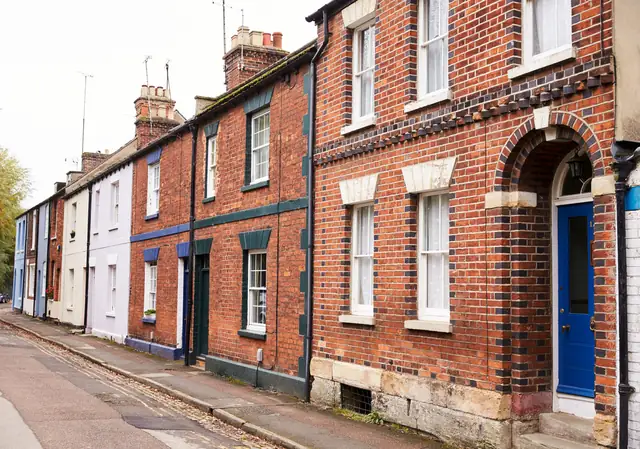
10 common defects in period properties and how to spot them
Period properties, typically built before the 1940s, commonly suffer from ten groups of defects: damp and moisture, structural movement, timber decay,...
8 min read
 Homes by age
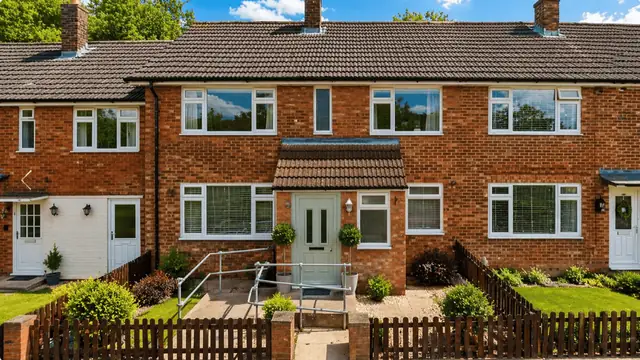
Buying a 1950s house: typical defects and what to check
1950s houses in the UK are typically simple post-war homes with brick or rendered walls, large metal-framed windows and low-pitched tiled roofs. The m...
6 min read
 Homes by age
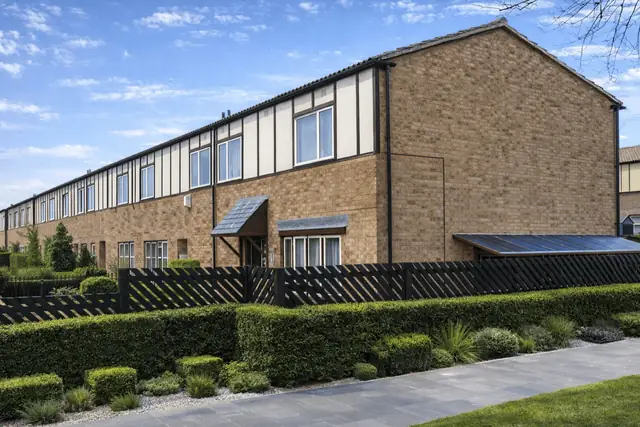
Buying a 1970s house: typical defects, hazards and construction
A 1970s house is usually of brick cavity wall construction with concrete lintels and floor slabs, timber roofs and plasterboard linings. The main issu...
7 min read
 Homes by age
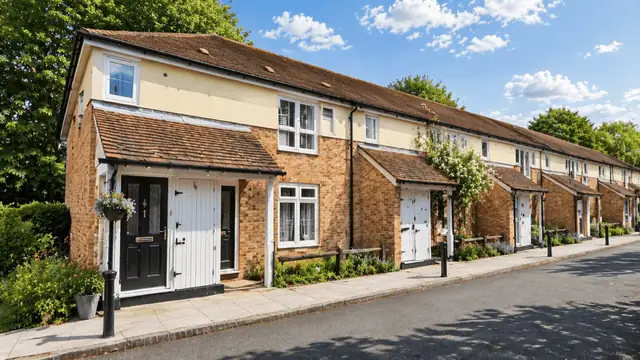
Buying a 1980s house: typical defects and what to check
1980s houses are usually of traditional cavity brick construction with pitched, concrete-tiled roofs, and are generally acceptable to mainstream lende...
5 min read
 Homes by age
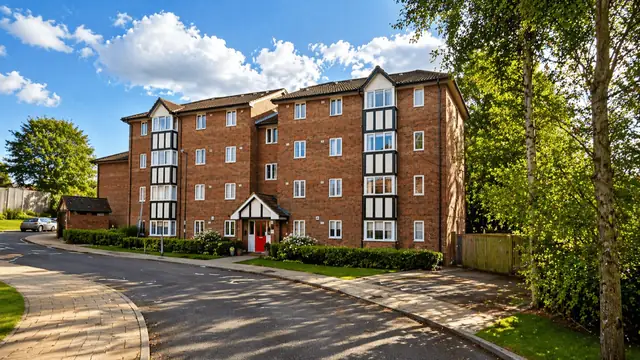
Buying a 1990s house: typical defects and what to check
1990s properties are often more modern in layout and services than older homes, with double glazing, central heating and better insulation. Age-relate...
6 min read
 Homes by age
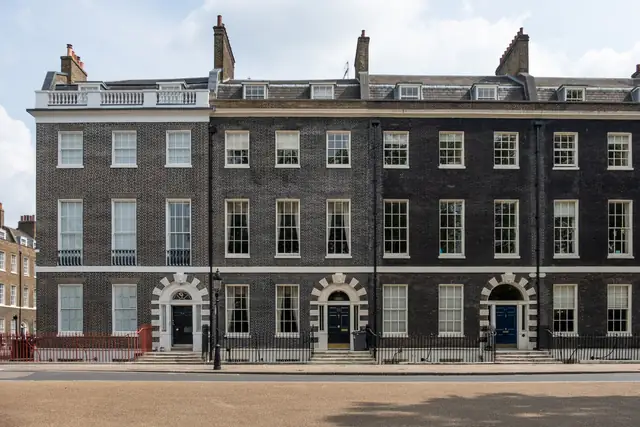
Buying a Georgian house: features, defects and hazards
Georgian properties were built between 1714 and 1830 and are known for symmetrical fronts, sash windows and high ceilings. Common defects include subs...
5 min read
 Homes by age
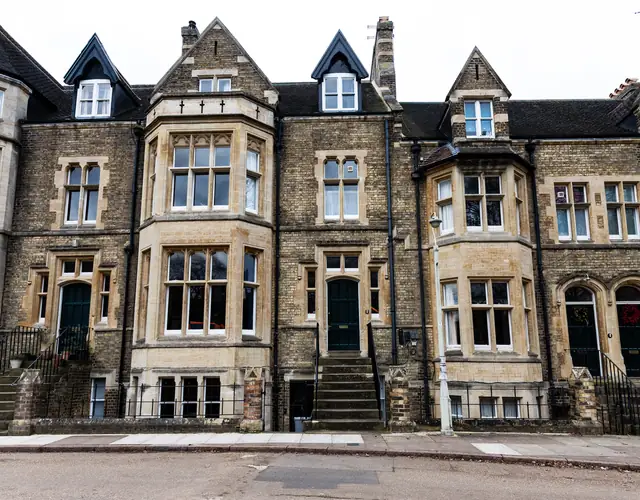
Buying a Victorian house: characteristics, defects and hazards
Victorian houses, built between 1837 and 1901, typically have solid brick walls, slate roofs, sash windows and high ceilings. Their age makes them pro...
5 min read
 Homes by age
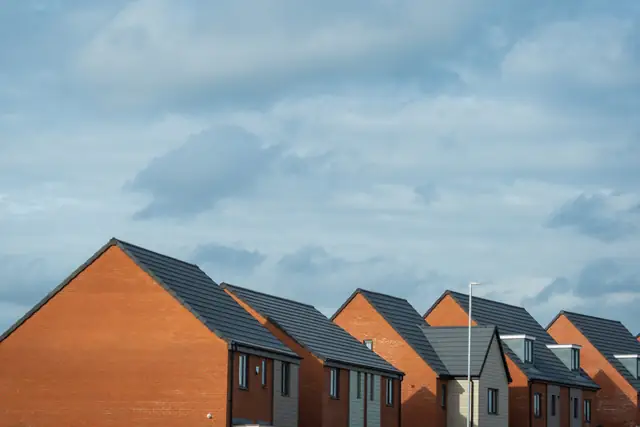
Buying an early 2000s house: common defects and hazards
Early 2000s homes usually have open-plan layouts, double glazing and better insulation than older houses, but they have their own typical defects. Com...
6 min read
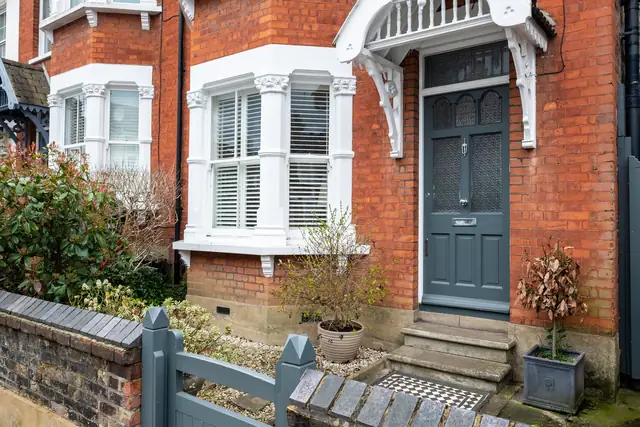 Homes by age
Buying an Edwardian house: features, defects and hazards
Edwardian homes, named after the reign of King Edward VII (1901 to 1910), are prized for red brick, bay windows, high ceilings and separate rooms, but...
5 min read
 Homes by age
Buying an Edwardian maisonette: defects and maintenance
An Edwardian maisonette is over a century old and was not built to modern construction norms. Often built of clay brick such as London Stocks, commonl...
5 min read
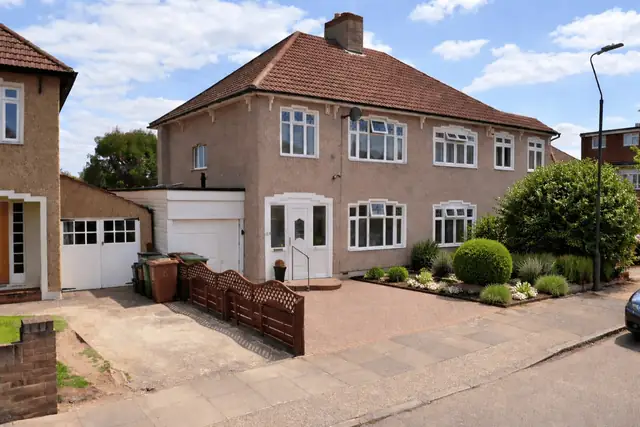 Homes by age
Feakes and Richardson houses: types, construction and defects
Feakes & Richardson houses are inter-war homes built mainly between the late 1920s and late 1930s across South East London and Kent. They come in reco...
5 min read
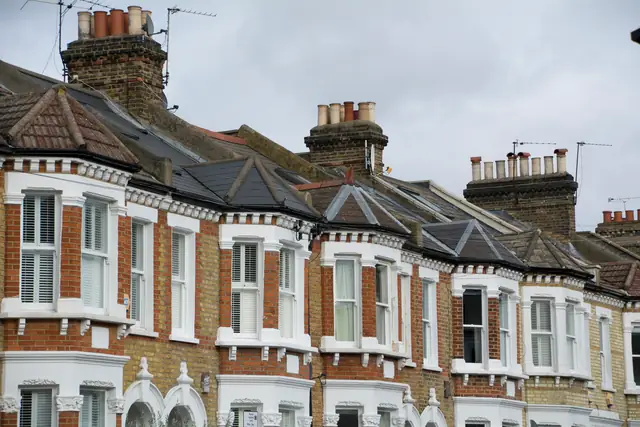 Homes by age
Georgian, Victorian and Edwardian houses: key differences
Georgian houses (1714 to 1830) are symmetrical and proportioned, with central front doors and large sash windows. Victorian houses (1837 to 1901) are...
5 min read
Lofts, extensions and alterations
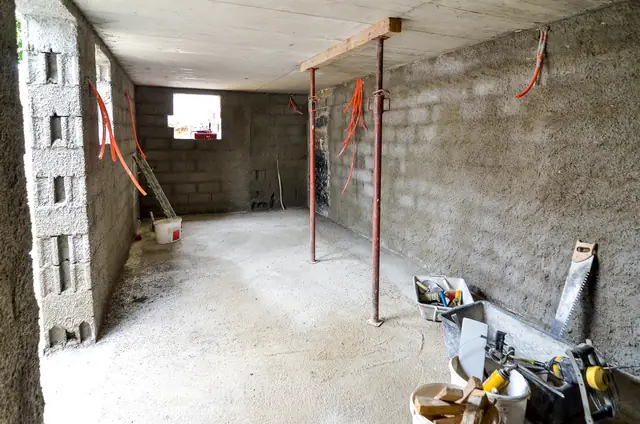 Lofts, extensions & alterations
Buying a house with a basement conversion: what to check
A well-executed basement conversion with building-regulations sign-off, a working waterproofing system and a safe escape route is usually nothing to w...
10 min read
 Lofts, extensions & alterations
Can you convert the loft of a flat you are buying?
Possibly, but it depends on several factors. In a leasehold flat the loft space is often not included in the lease, so an agreement with, and payment...
5 min read
 Lofts, extensions & alterations
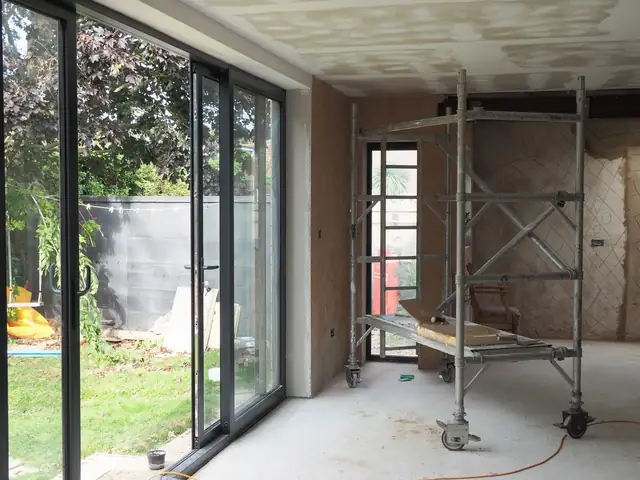
Extending a house that has already been extended
Extending a house that has already been extended starts with assessing the existing extension: its structural condition, design and whether the utilit...
5 min read
 Lofts, extensions & alterations
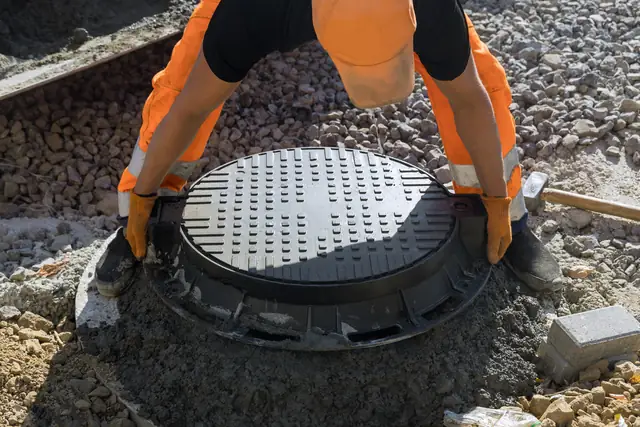
Extensions built over a public sewer: risks and permissions
An extension built over or near a public sewer needs a Sewer Build Over Agreement with the local water company, alongside building regulations and, wh...
6 min read
 Lofts, extensions & alterations
Fire compartmentation in homes: what buyers should know
Fire compartmentation divides a building into compartments separated by fire-resistant walls and floors, so fire and smoke cannot spread rapidly. It g...
5 min read
 Lofts, extensions & alterations
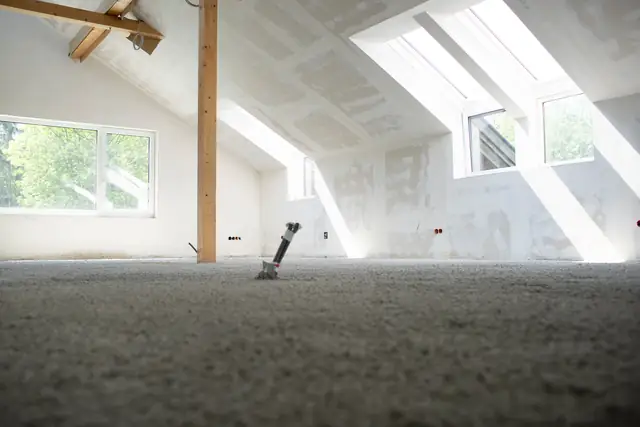
Is a loft room a bedroom or a gallery? Building regulations
A loft room can be classed as a bedroom only if it meets building regulations, as explained in the Approved Documents. The key checks are a safe means...
7 min read
 Lofts, extensions & alterations
Loft conversions: what to consider before you start
Before converting a loft, consider how the space will be used, whether planning permission is needed, whether the roof, floor and walls can take the c...
5 min read
 Lofts, extensions & alterations
Unapproved loft conversions: risks and how to make them compliant
An unofficial loft conversion is one carried out without meeting building regulations or obtaining Building Control approval. It can affect the safety...
5 min read
 Lofts, extensions & alterations
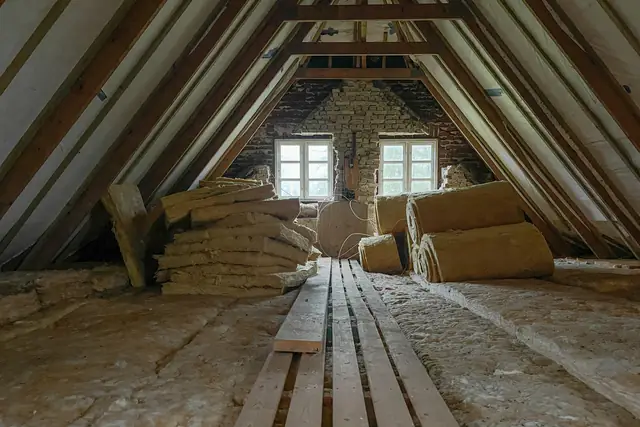
What makes a loft conversion habitable and legal?
A loft conversion is habitable when it complies with the Building Regulations for England and Wales, has planning permission where needed and a buildi...
5 min read
Services, materials and fittings
 Services & materials
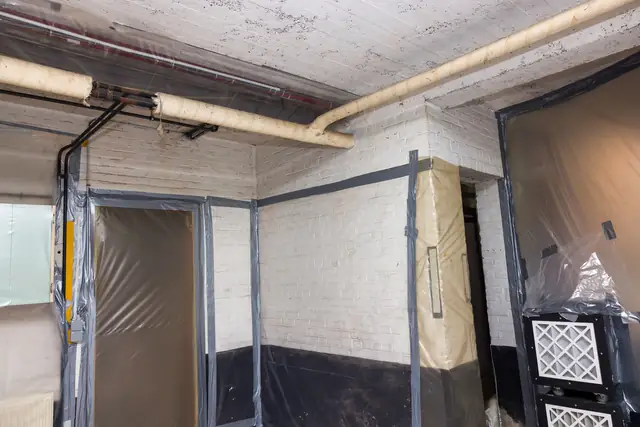
Asbestos in UK homes: where it is found and what to do
Asbestos was banned in the UK in 1999, so properties built or refurbished before then may still contain asbestos-containing materials. Common location...
6 min read
 Services & materials
Does a house need rewiring? Signs and wiring regulations
Wiring deteriorates with age, wear and changing regulations. Signs that a house may need rewiring include frequently tripping breakers or fuses, flick...
5 min read
 Services & materials
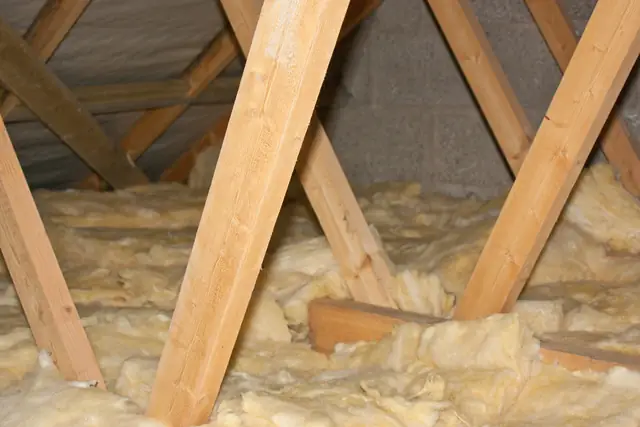
Energy Performance Certificates: what buyers should know
An Energy Performance Certificate (EPC) is a report on a property's energy efficiency, graded from A (most efficient) to G (least efficient). Most res...
3 min read
 Services & materials
Home EV chargers: what they add when selling a house
A home EV charger can make a property stand out to buyers who own or plan to buy an electric vehicle. It allows overnight charging on off-peak electri...
5 min read
 Services & materials
How long do double glazed windows last? Lifespan and care
Double glazed windows are generally expected to last 20 to 25 years, and high-quality units can last up to 35 years if properly maintained. Their actu...
5 min read
 Services & materials
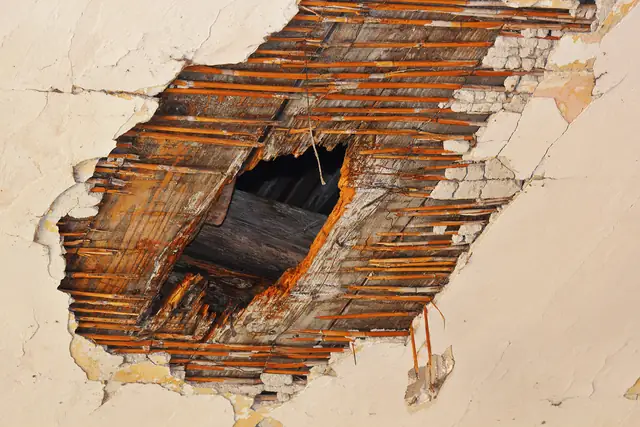
Lath and plaster walls and ceilings: what buyers should know
Lath and plaster is a traditional way of forming walls and ceilings: thin wooden strips, called laths, are fixed to the framework and covered in plast...
3 min read
 Services & materials
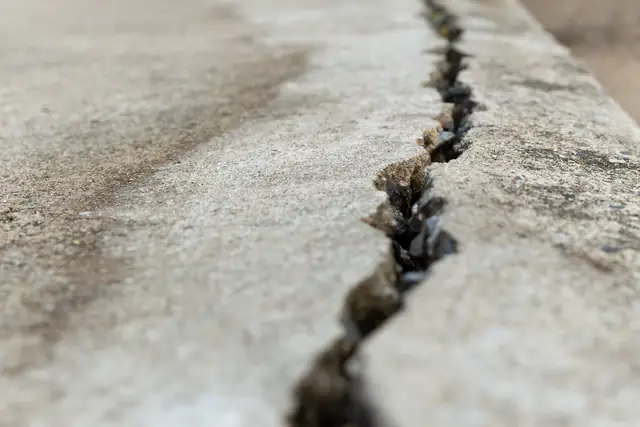
Magnesite floor screed: how to identify it and its problems
Magnesite floor screed is a mid-20th-century flooring layer made from magnesium oxychloride cement mixed with sawdust or wood flour, used in UK buildi...
6 min read
 Services & materials
Water softeners: benefits, costs and maintenance
A water softener reduces the calcium, magnesium and other metal ions that make water hard. Softer water can extend the life of washing machines, dishw...
5 min read
Ownership, boundaries and neighbours
 Legal & ownership
Bats in a house you are buying: signs, law and what to do
Bats and their roosts are protected by law in the UK, and harming them or their roosts can lead to penalties that can include imprisonment. Finding ba...
4 min read
 Legal & ownership
Flood risk and property value: what UK buyers should know
Flood risk can lower a property's value. Homes in high-risk flood zones often sell for less than similar homes in low-risk areas, face higher insuranc...
9 min read
 Legal & ownership
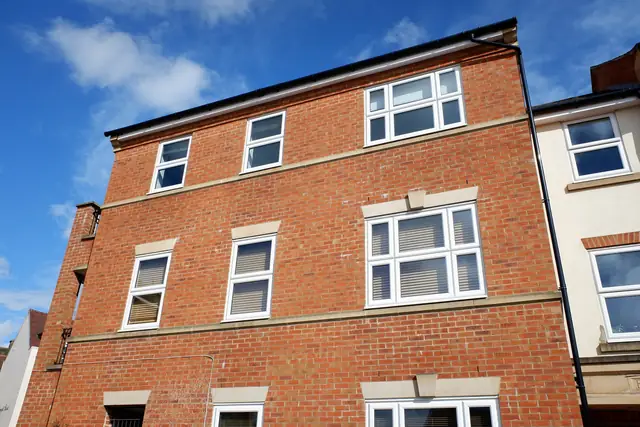
Freehold, leasehold and share of freehold: the differences
Freehold means owning the property and the land it stands on outright. Leasehold means owning the property, but not the land, for a set period under a...
9 min read
 Legal & ownership
How to challenge your council tax band in England
In England, a council tax band can be challenged by contacting the Valuation Office Agency (VOA) with evidence that the band is wrong, such as similar...
6 min read
 Legal & ownership
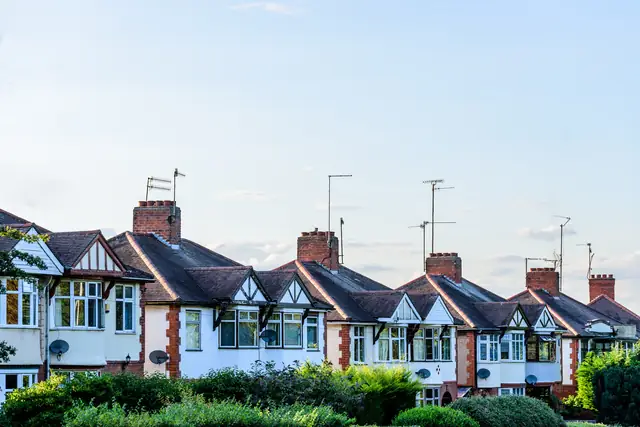
Noise between homes: what buyers should check
Older buildings, particularly those built before modern building regulations, often have poor sound insulation, so footsteps, plumbing and conversatio...
5 min read
 Legal & ownership
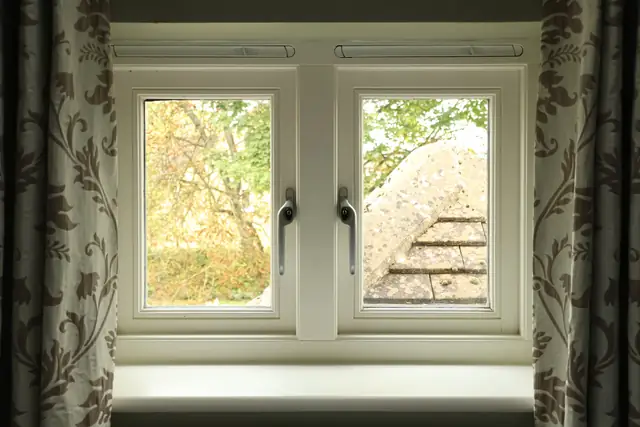
Right to light: what homeowners need to know
A right to light is an easement, a property right, that allows a property to receive natural light. Under the Prescription Act 1832, light enjoyed wit...
4 min read
 Legal & ownership
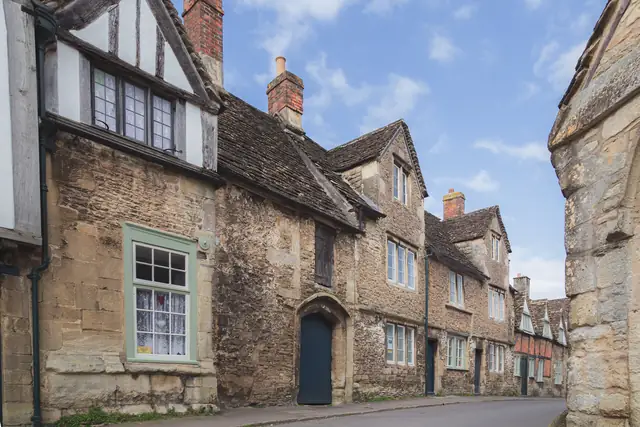
Should you buy a house in a conservation area?
For most buyers, yes. A house in a conservation area is usually a sound purchase. The risk lies in unauthorised past alterations, especially in a list...
9 min read
 Legal & ownership
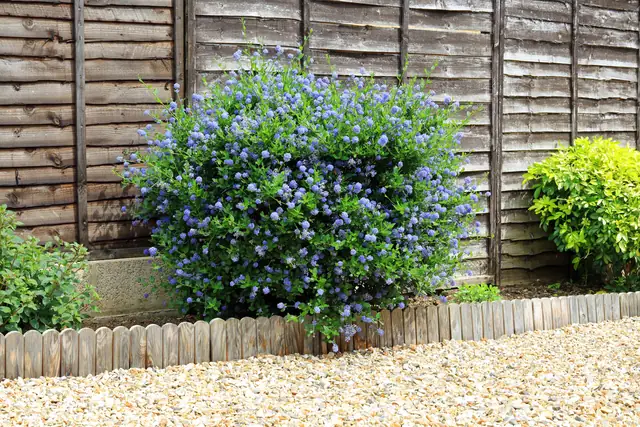
Which fence is mine, left or right? How to check ownership
There is no legal rule in England and Wales that you own the fence on the left, or the right. Fence ownership is set by the title deeds, usually shown...
9 min read
No guide matches that search.
Try a single word, such as “damp” or “roof”, or browse the topics above.
Buying a home?
Know what you are buying, before you commit.
A Flettons surveyor inspects the home, rates the condition of each part, records what could and could not be seen, and sets out clear next steps by trade and timing.
Level 3 Building Survey From £595
- RICS-regulated firm of surveyors
- Condition ratings for every part of the home
- Plain-English advice on what to do next