
What is EPDM roofing?
EPDM stands for Ethylene Propylene Diene Monomer, a type of synthetic rubber widely used on low-slope buildings across the UK. It is used on both residential and commercial properties and is known for its durability and flexibility.
The membrane is typically available in black or white and can be installed in various thicknesses, depending on the needs of the building.
How long does an EPDM roof last?
With proper installation and maintenance, an EPDM roof can last 20 to 25 years or more. The actual life varies with several factors:
- Material quality. High-quality membranes are designed to withstand extreme weather, UV radiation and ozone exposure. The better the material, the longer it lasts.
- Installation. Poor installation can lead to leaks, tears and other issues that significantly reduce the roof's lifespan.
- Maintenance. Regular inspections and minor repairs extend the roof's life. Neglect lets small issues become major problems.
- Environment. Roofs in areas with extreme weather conditions may experience more wear and tear.
Buying a home with an older roof? Get a survey price for the home you are buying.
How does EPDM perform?
EPDM performs well in most weather. Its main performance characteristics are:
- Weather resistance. It is highly resistant to weathering, UV radiation and ozone, and holds up in sun, heavy rain and snow.
- Flexibility. It stays flexible even at low temperatures, so it does not easily crack or split. This also makes it easier to install on roofs with complex shapes and angles.
- Waterproofing. It provides good waterproofing to protect the interior of the building from water damage.
- Chemical resistance. It resists many chemicals, although some substances can damage it (see below).
What problems do EPDM roofs have?
EPDM is durable, but it is not free from defects. The problems most often found are:
- Seam failures. Over time the seams, where sheets are joined, can weaken and start to separate.
- Punctures and tears. Sharp objects, heavy foot traffic and falling debris can damage the membrane.
- Shrinkage. The membrane can shrink over time, especially if it is not properly adhered to the substrate (the surface beneath it). Shrinkage can pull flashings away from walls and cause gaps and wrinkles.
- Installation faults. Incorrect installation can lead to leaks, poor adhesion and membrane shrinkage.
- Chemical damage. Petroleum-based products and certain solvents can degrade the membrane. Spills should be cleaned up promptly.
- Fire. EPDM is generally fire-resistant but can still be damaged by fire. Precautions include avoiding open flames near the roof.
How is an EPDM roof installed?
An EPDM roof is installed in four main stages:
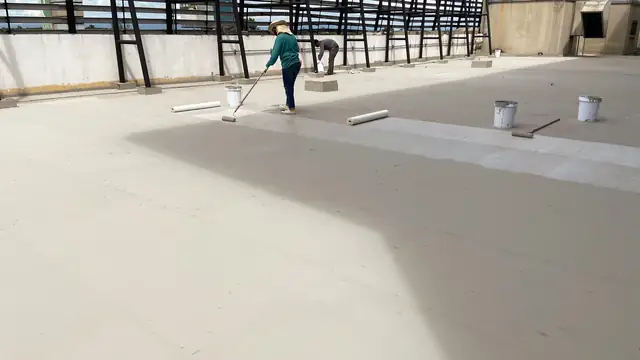
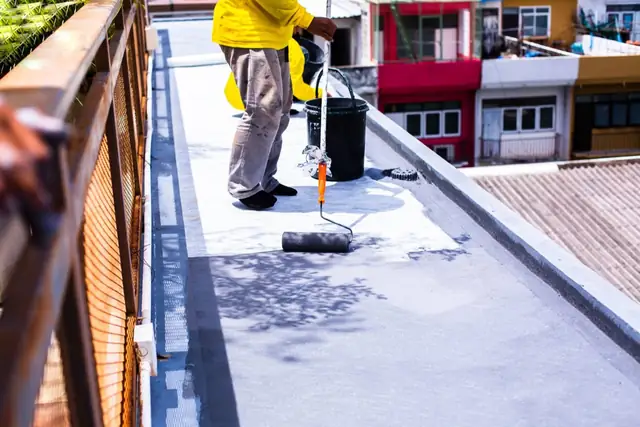
- Surface preparation. The roofer cleans and prepares the roof deck so it is smooth and free from debris.
- Laying the membrane. The membrane is rolled onto the deck.
- Seaming. The sheets are joined with specially formulated tape or adhesive.
- Finishing. Flashings, the strips that seal joints, are installed around roof penetrations and the roof's perimeter.
Which EPDM systems are available?
| System | How the membrane is held in place |
|---|---|
| Fully adhered | Water or solvent-based adhesives bond the membrane to the roof. |
| Mechanically fastened | Mechanical fasteners attach the membrane. |
| Ballasted | The membrane is loose-laid and held down with ballast, usually stone. |
How should an EPDM roof be maintained?
An EPDM roof should be inspected at least twice a year, and after extreme weather, ideally by a professional roofer. Routine care covers:
- Cleaning. Remove debris, leaves, branches and dirt to prevent water pooling. A soft-bristle broom or a low-pressure washer cleans the surface without damaging it.
- Punctures and tears. Check for them regularly and deal with them straight away. Small punctures and tears can be repaired with EPDM patch kits; more extensive damage may need a professional.
- Seams. Check that seams remain tight and secure. Any gaps can lead to leaks.
- Flashings, seals and edges. Check that they remain attached and free from cracks or splits, particularly around vents and chimneys. Replace damaged or deteriorated flashings.
- Shrinkage. Watch for gaps or wrinkles in the membrane and have a professional assess them.
What to look for when viewing a property with an EPDM roof
- Seams that are lifting, open or separating
- Punctures or tears, especially where people walk or debris falls
- Gaps or wrinkles in the membrane, a sign of shrinkage
- Flashings pulled away from walls, or cracked and split at edges and penetrations
- Debris, leaves or standing water on the surface
- Evidence of past patch repairs
How much does an EPDM roof cost?
The cost depends on the size of the roof, the quality of the materials and the complexity of the installation. The main elements are:
- Materials. Thicker, higher-quality membranes generally cost more but offer better durability and performance.
- Installation. This depends on the contractor's rates, the complexity of the roof and any additional work, such as removing an existing roof or repairing the substrate.
- Maintenance. Budget for periodic inspections, cleaning and minor repairs.
- Initial cost. The initial cost may be higher than some other roofing options.
How does EPDM compare with other roofing materials?
| Material | How it compares with EPDM |
|---|---|
| TPO (thermoplastic olefin) | Known for energy efficiency and durability. |
| PVC (polyvinyl chloride) | Known for durability and chemical resistance. Can be less flexible, making it harder to install on complex roofs. |
| Metal roofing | Known for longevity and durability. Can be noisy in rain or hail. |
Is EPDM environmentally friendly?
The main environmental point is its long lifespan, which reduces the need for frequent replacement and so reduces waste.
What are the common myths about EPDM?
- "EPDM is only for commercial buildings." It is commonly used on commercial buildings but is also suitable for homes.
- "EPDM roofs are prone to leaks." Properly installed and maintained, they provide good waterproofing. Regular inspections and prompt repairs help prevent leaks.
- "EPDM roofs are difficult to repair." They are relatively easy to repair with patch kits and other repair materials.
How is EPDM roofing developing?
Developments to watch include more durable membranes with better resistance to weathering, UV radiation and chemicals; more membranes made from recycled materials; sensors and monitoring systems that detect issues early; and improved installation techniques and tools.
What to do next
- If repairs or replacement are needed, choose a contractor who is insured and certified to install EPDM, with extensive experience of EPDM roofs.
- Ask for references and examples of previous work, and read reviews.
- Obtain detailed quotations from several contractors that cover materials, labour and any additional costs.
- Choose a contractor who offers a warranty on their work.
What a survey can — and cannot — tell you
A building survey provides an informed assessment of the visible condition of a property. Inspections are non-intrusive and limited to areas that are accessible at the time of inspection.
On an EPDM roof, the visible defects described above, such as open seams, punctures, shrinkage and failing flashings, can indicate how well the roof was installed and how it has been maintained.
- The type of roof covering and its general condition where visible
- Seams, punctures, tears, wrinkles and signs of shrinkage
- Flashings at walls, edges and roof penetrations
- Debris, ponding water and past patch repairs
However, there are limitations to what a survey can determine without intrusive investigation.
- How well the membrane is adhered or fastened to the deck
- The condition of the roof deck and substrate beneath the membrane
- Parts of the roof that cannot be seen from accessible vantage points
Where higher-risk indicators are identified, further specialist or intrusive investigation may be recommended.
Frequently asked questions
What does EPDM stand for?
Ethylene Propylene Diene Monomer, a type of synthetic rubber used as a roof membrane on low-slope buildings.
How often should an EPDM roof be inspected?
At least twice a year, and after extreme weather or major weather events.
Can a punctured EPDM roof be repaired?
Yes. Small punctures and tears can be repaired with EPDM patch kits, while more extensive damage may need professional help.
Why does an EPDM membrane shrink?
Membranes can shrink over time, especially if they are not properly adhered to the substrate. Shrinkage can cause gaps and wrinkles and pull flashings away from walls.
What can damage EPDM?
Sharp objects, heavy foot traffic, falling debris, fire, and chemicals such as petroleum-based products and certain solvents.
Is EPDM suitable for houses?
Yes. It is commonly used on commercial buildings but is also used on residential properties.