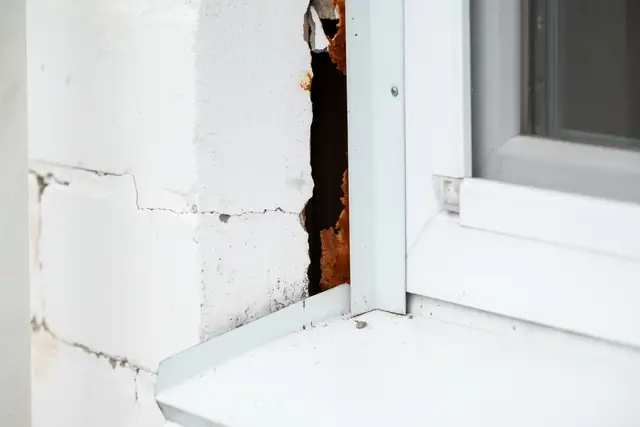

What is concrete cancer?
Concrete cancer is the corrosion of the steel reinforcement inside concrete. As the steel corrodes it expands, cracking and flaking the concrete around it. Over time this can significantly weaken a structure, create safety risks and lead to costly repairs.
What causes concrete cancer?
The main cause is corrosion of the steel reinforcement bars. Several factors trigger it.
Conditions that corrode the steel
- Moisture. Water ingress is a major contributor. When water penetrates the concrete and reaches the rebar, it starts the rusting process.
- Chlorides. Chloride ions, often from de-icing salts and seawater, penetrate the concrete and accelerate corrosion, leading to rapid deterioration.
- Carbonation. Carbon dioxide from the air reacts with the calcium hydroxide in concrete to form calcium carbonate. This lowers the pH (alkalinity) of the concrete, making it less protective of the steel.
Poor construction practice
- Insufficient concrete cover. If the protective layer over the rebar is too thin, water and chlorides reach the steel more easily.
- Low-quality concrete. Substandard mixes can be porous and weak, and more open to water ingress and carbonation.
- Improper curing. Concrete that is not properly cured can develop cracks and weaknesses that let moisture in.
Seen cracks at a home you are buying? Get a survey price for the home you are buying.
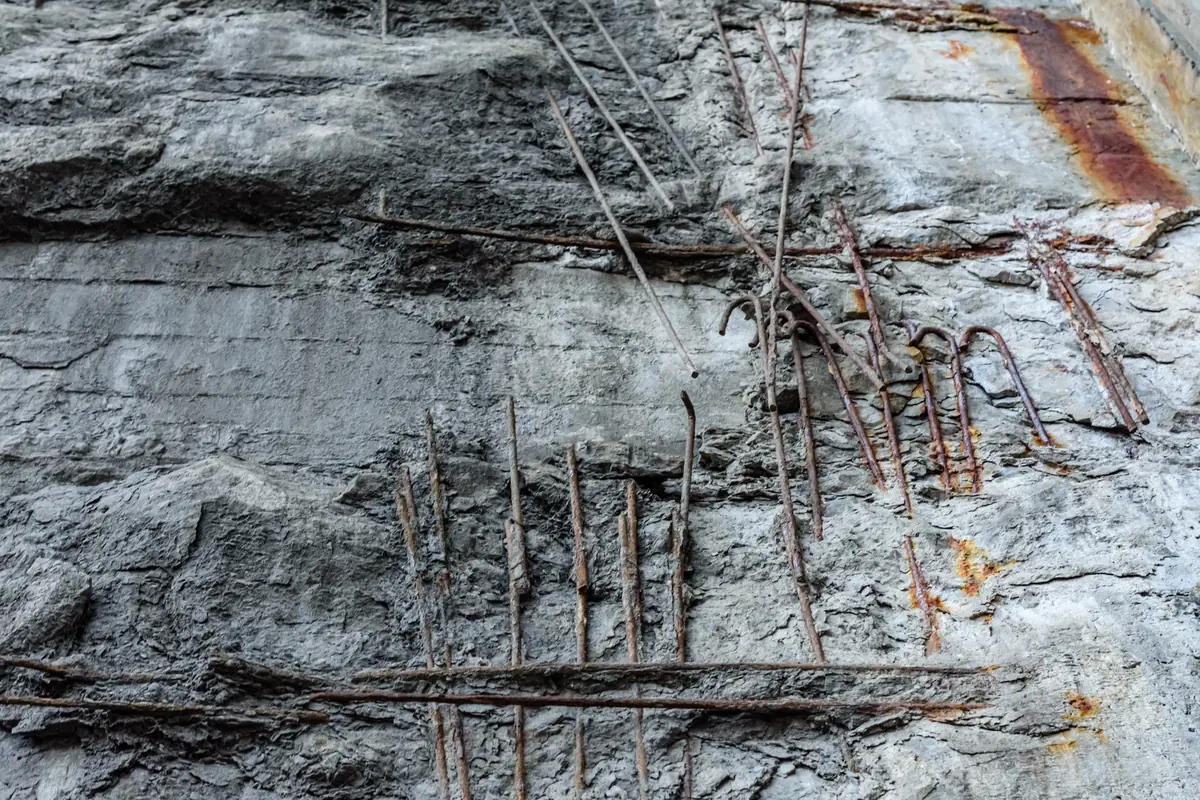
What are the signs of concrete cancer?
Early identification limits further damage. The key signs are:
- Cracks and flaking. Cracks may start small but can widen quickly as the corroding steel pushes on the concrete around it.
- Rust stains. Rust from the corroding rebar leaches out and discolours the surface.
- Spalling. The surface flakes or chips away in chunks as expanding rust pushes against it. This exposes the rebar to more moisture and speeds up corrosion.
- A hollow sound. Tapping with a hammer or similar tool can find affected areas. A hollow or drummy sound means the concrete has delaminated (separated) from the rebar and no longer gives adequate support.
- Exposed rebar. In severe cases the steel becomes visible. This is a clear indication that structural integrity may be compromised.
What to look for when viewing
- Cracking or flaking on concrete surfaces
- Rust stains on the concrete
- Areas where chunks of concrete have broken away
- Any visible steel reinforcement
How is concrete cancer repaired?
Repair combines preventive measures and remedial work, in steps.
Step 1: Inspect the structure
A qualified structural engineer or building surveyor inspects the affected structure to assess the extent of the damage and identify the underlying causes.
Step 2: Remove the damaged concrete
| Method | How it works |
|---|---|
| Chipping | Damaged concrete is chipped away by hand with a hammer and chisel. |
| Hydrodemolition | High-pressure water jets remove damaged concrete with less risk of harming the surrounding structure. |
| Mechanical removal | Power tools such as jackhammers or concrete saws cut away damaged sections. |
Step 3: Clean and treat the rebar
The exposed rebar is cleaned of rust and corrosion with wire brushes, sandblasting or chemical rust removers. It is then treated with a corrosion inhibitor to help prevent future rusting.
What to do next
- Note any cracks, rust stains, spalling or exposed steel on concrete elements.
- Have a qualified structural engineer or building surveyor inspect the structure and identify the causes.
- Treat exposed rebar as a sign that prompt action is needed.
What a survey can — and cannot — tell you
A building survey provides an informed assessment of the visible condition of a property. Inspections are non-intrusive and limited to areas that are accessible at the time of inspection.
A surveyor can identify the visible signs of concrete cancer and recommend a fuller assessment of its extent and causes.
- Cracking and flaking of concrete surfaces
- Rust staining
- Spalling and exposed rebar
- Signs of water getting into concrete
However, there are limitations to what a survey can determine without intrusive investigation.
- The depth of concrete cover over the rebar
- How far carbonation or chlorides have penetrated
- The condition of steel that is still hidden inside the concrete
- The quality of the original concrete mix and curing
Where higher-risk indicators are identified, further specialist or intrusive investigation may be recommended.
Frequently asked questions
What is concrete cancer?
It is the corrosion of the steel reinforcement inside concrete. The steel expands as it corrodes, cracking and flaking the concrete around it.
What causes concrete cancer?
Moisture, chlorides from de-icing salts and seawater, and carbonation corrode the steel. Thin concrete cover, low-quality concrete and improper curing make it more likely.
What does a hollow sound in concrete mean?
A hollow or drummy sound when the surface is tapped indicates that the concrete has delaminated from the rebar and is no longer giving adequate support.
Is exposed rebar serious?
Yes. It is a clear indication that the structural integrity of the building may be compromised and that prompt action is needed.
Who should inspect concrete cancer?
A qualified structural engineer or building surveyor, who can assess the extent of the damage and identify the causes.