
What is the difference between salt contamination and damp?
Salt contamination is about salts in the materials; damp is about excess moisture in the building. Few property issues are as misunderstood, and confusing the two leads to misdiagnosis and unnecessary, costly treatments.
| Feature | Salt contamination | Damp |
|---|---|---|
| What it is | Salts present in building materials, carried there by moisture | Excess moisture in a building |
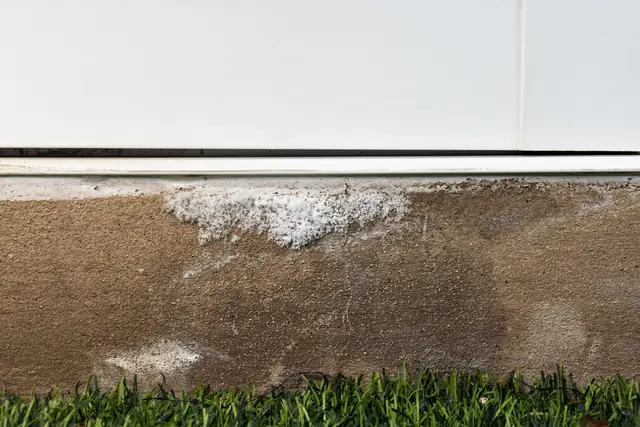
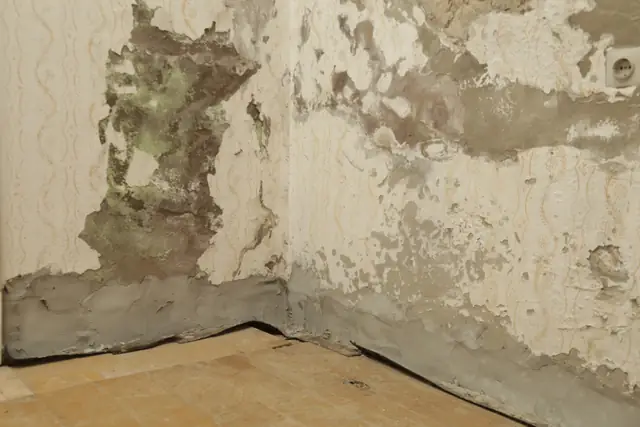
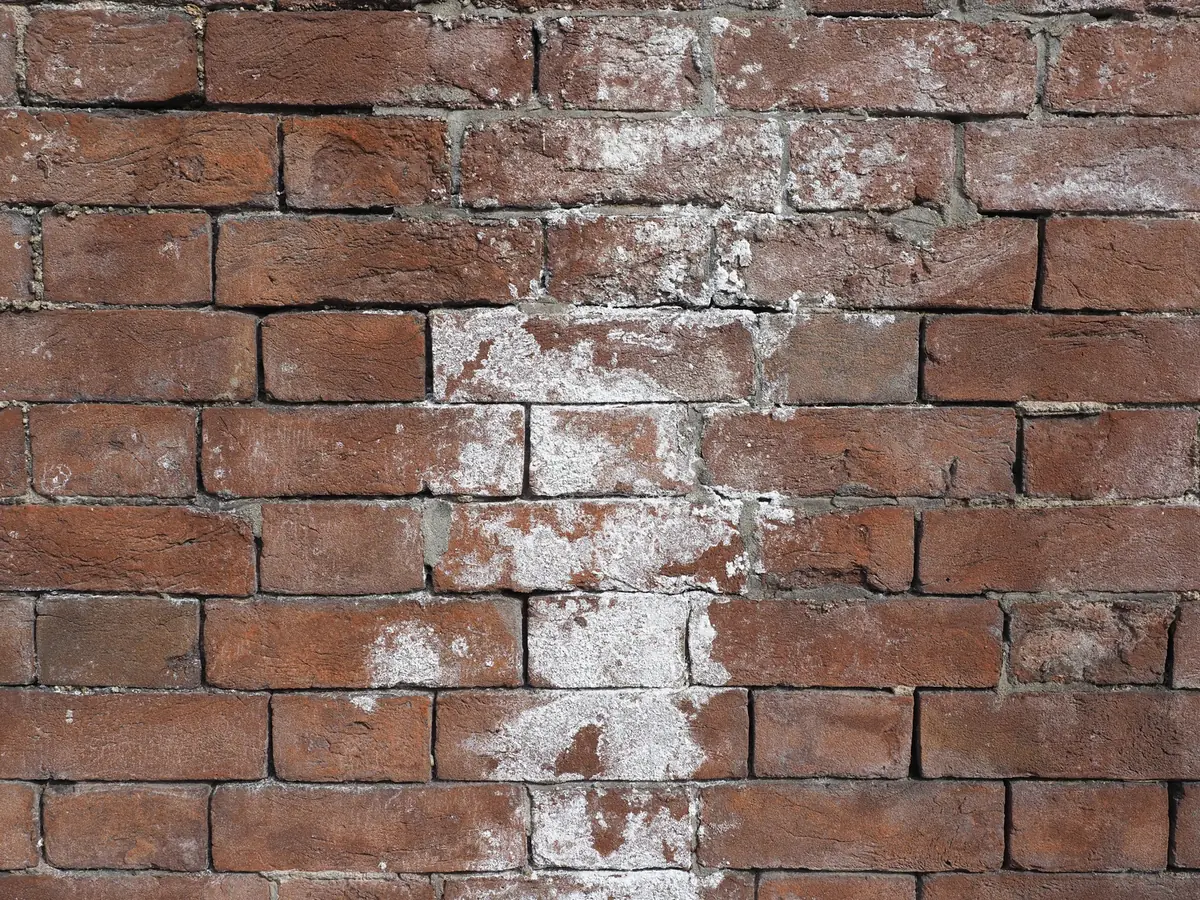
| How it shows | White, powdery deposits on walls and other surfaces | Mould growth |
| Damage caused | Aesthetic and structural damage | Structural damage and health problems for occupants |
| Where it occurs | Anywhere salts can be carried by moisture | Areas with poor ventilation or excess moisture, such as bathrooms, kitchens, basements and around windows and doors |
| Typical remedies | Removing and replacing affected materials, or a salt-resistant treatment, and dealing with the moisture source | Improving ventilation, repairing leaks or installing a damp proof course |
Worried about damp? Get a survey price for the home you are buying.
Which properties are most at risk?
Older properties are particularly susceptible to salt contamination and damp, because of their age and the materials used in their construction. Either problem can occur in any property, though.
Buildings in areas with high groundwater levels, or near the coast where salt-laden air is common, are also at risk.
Why is salt contamination often misdiagnosed as damp?
The two conditions look similar, so they are often misdiagnosed. Salt contamination can be wrongly identified as damp, leading to recommendations for expensive and unnecessary damp proof injections. A company that sells the treatment has an interest in the outcome.
Why use an independent surveyor before paying for damp proofing?
An independent surveyor has no vested interest in selling a treatment. Given the risk of misdiagnosis and the high cost of unnecessary work, an experienced, independent RICS-regulated building surveyor should inspect before any damp proofing injections are paid for.
Such surveyors are trained to identify and diagnose property issues, including salt contamination and damp. They can give an unbiased assessment and advise on the most appropriate solution, which helps avoid unnecessary treatments.
How are salt contamination and damp treated?
Both should be dealt with promptly to prevent further damage, but the treatments differ.
Salt contamination
- Remove and replace the affected materials, or apply a salt-resistant treatment.
- Deal with the source of the moisture that is carrying the salts.
Damp
- Improve ventilation.
- Repair leaks.
- Install a damp proof course.
- In some cases, damp proof injections may be appropriate, but only after a thorough assessment by an independent building surveyor.
What to look for when viewing
- White, powdery deposits on walls and other surfaces
- Mould growth
- Signs of excess moisture in bathrooms, kitchens, basements and around windows and doors
- Poor ventilation
What to do next
- Do not commit to damp proof injections on the strength of a remedial damp company's diagnosis alone.
- Have an experienced, independent building surveyor inspect first.
- Treat the cause identified: the moisture source for salts, or ventilation, leaks or a damp proof course for damp.
- Act promptly to prevent further damage.
What a survey can — and cannot — tell you
A building survey provides an informed assessment of the visible condition of a property. Inspections are non-intrusive and limited to areas that are accessible at the time of inspection.
An independent surveyor can help tell salt contamination from damp and give an unbiased view on the appropriate remedy, free from any interest in selling a treatment.
The surveyor can look at and record:
- White, powdery salt deposits on walls and other surfaces
- Mould growth and signs of excess moisture
- Ventilation in bathrooms, kitchens and basements
- Evidence of leaks
However, there are limitations to what a survey can determine without intrusive investigation.
- Conditions within wall materials, behind finishes or in inaccessible areas cannot be confirmed.
Where higher-risk indicators are identified, further specialist or intrusive investigation may be recommended.
Frequently asked questions
What does salt contamination look like?
It shows as white, powdery deposits on walls and other surfaces. The salts can cause aesthetic and structural damage.
Do damp proof injections cure salt contamination?
No. Injections can work for certain types of damp, but they are not a suitable solution for salt contamination.
Where is damp usually found?
Damp is typically found where ventilation is poor or moisture is excessive, such as bathrooms, kitchens, basements and around windows and doors.
Are older houses more prone to salt contamination?
Yes. Older properties are particularly susceptible because of their age and construction materials, as are buildings in areas with high groundwater or near the coast.
How is salt contamination fixed?
By removing and replacing the affected materials or applying a salt-resistant treatment, and by dealing with the source of the moisture carrying the salts.