
What is a damp and timber report?
A damp and timber report is a detailed examination of a property that looks specifically for signs of dampness and timber defects. Left untreated, these issues can lead to significant structural damage over time and costly repairs.
The report is one of the steps that often puzzles buyers. It is often recommended after a valuation, and although it can seem an unnecessary extra step, it gives a buyer the detailed information a valuation does not.
Worried about damp? Get a survey price for the home you are buying.
Why is a damp and timber report recommended after a valuation?
Because a valuation and a damp and timber report serve different purposes. A valuation is carried out mainly to determine the market value of the property for the mortgage lender. It is a limited look to confirm the property is worth the amount being lent.
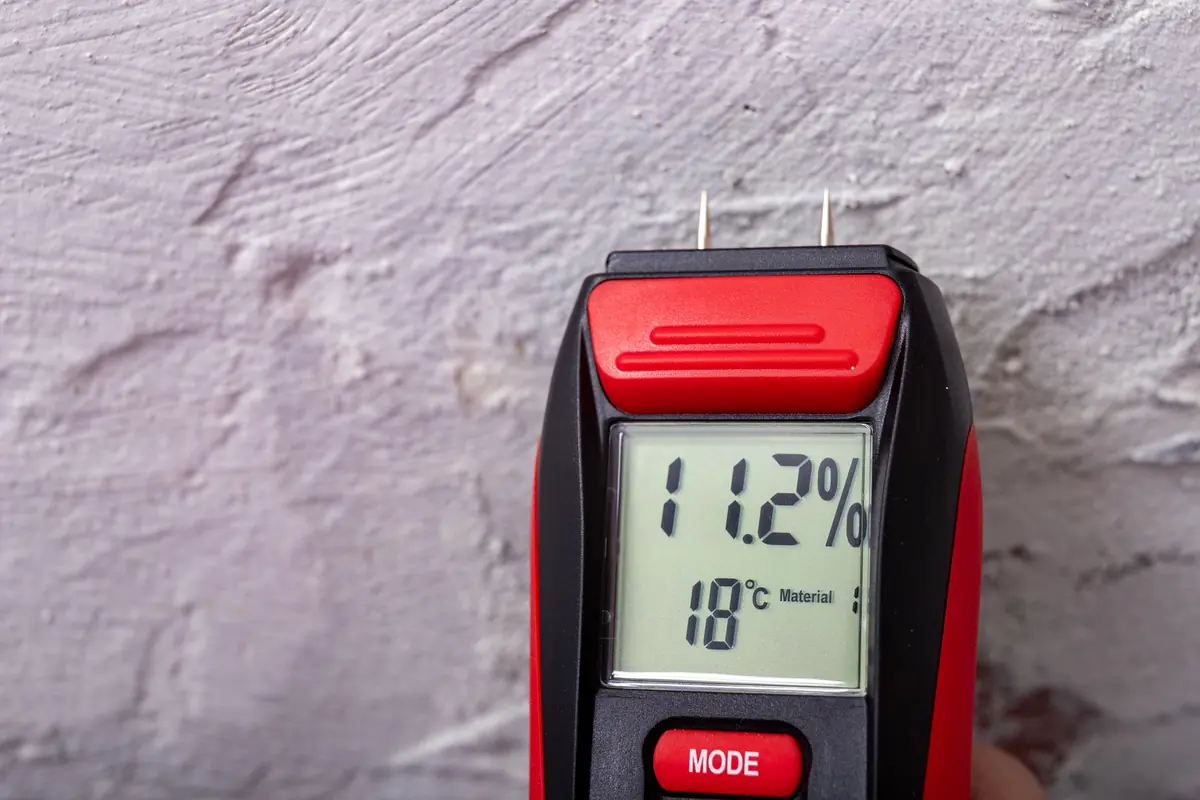
A damp and timber report is a more in-depth investigation of the property's condition. A valuation might identify potential issues, but it does not give the detailed analysis of damp or timber problems that could affect the structure, or recommendations for remedial work.
| Mortgage valuation | Damp and timber report | |
|---|---|---|
| Main purpose | To determine market value for the lender | To investigate damp and timber defects in detail |
| Depth | A limited look | An in-depth investigation inside and out |
| Output | May identify potential issues | Details issues found, their severity and recommended treatment or repair |
What does a damp and timber report cover?
It covers a thorough examination of the property, both inside and out, for damp and timber defects.
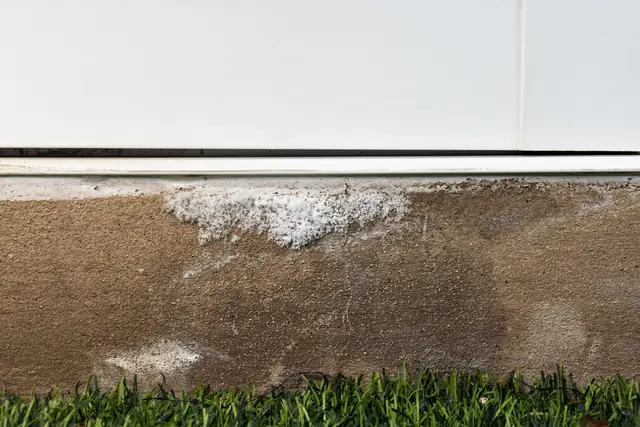
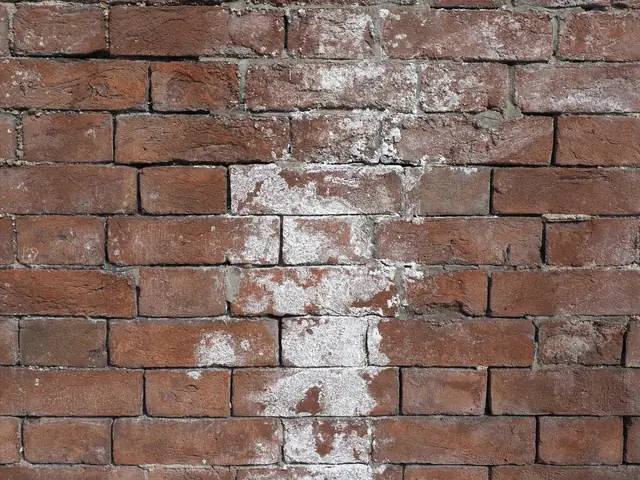
- Signs of damp: discolouration, mould or a musty smell.
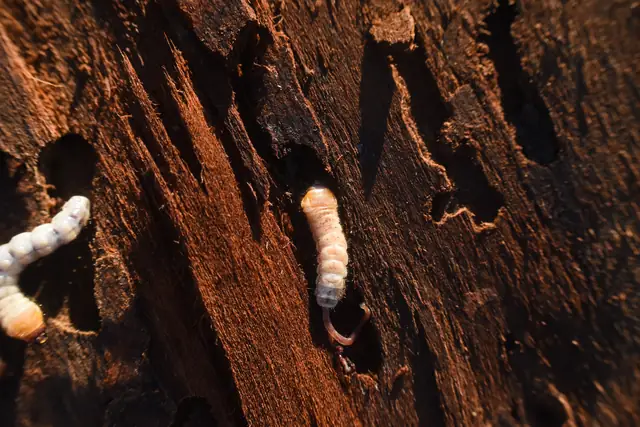
- Timber defects: woodworm (wood-boring insect damage) or rot.
- The findings: any issues found and how severe they are.
- Recommendations: treatments or repairs needed.
Who should carry out a damp and timber report?
It is advisable to hire a member of the Property Care Association (PCA). The PCA is a trade association representing specialists across the UK who work in the property and construction industries.
What to look for when viewing a property
- Discolouration on walls or ceilings.
- Mould.
- A musty smell.
- Signs of woodworm or rot in timbers.
What to do next
- Read the valuation for any recommendation of further reports.
- If a damp and timber report is recommended, instruct a PCA member to carry it out.
- Read the report for the issues found, their severity and the recommended treatments or repairs.
- Deal with any damp or timber issues early, before they lead to structural damage.
What a survey can — and cannot — tell you
A building survey provides an informed assessment of the visible condition of a property. Inspections are non-intrusive and limited to areas that are accessible at the time of inspection.
Unlike a lender's valuation, which is a limited look to establish value, a survey looks at condition, and can pick up the signs of damp and timber defects that may call for a specialist damp and timber report.
- Discolouration, mould and musty smells that indicate damp.
- Visible signs of woodworm or rot.
- Issues that could affect the property's structural integrity.
However, there are limitations to what a survey can determine without intrusive investigation.
- Timbers that are hidden from view cannot be examined.
- Detailed analysis and treatment recommendations for damp and timber defects may need a specialist damp and timber report.
Where higher-risk indicators are identified, further specialist or intrusive investigation may be recommended.
Frequently asked questions
Why has the lender asked for a damp and timber report?
A valuation is a limited look to confirm the property is worth the amount being lent. If it identifies potential damp or timber issues, a damp and timber report gives the detailed analysis the valuation does not.
Is a mortgage valuation an in-depth inspection?
No. A valuation is carried out mainly to determine market value for the mortgage lender, not to give an in-depth assessment of condition.
What is the Property Care Association?
The PCA is a UK trade association representing specialists in the property and construction industries, including those dealing with damp and timber decay. It provides training and technical support.
What happens if damp and timber problems are left untreated?
They can lead to significant structural damage over time, which can be expensive to put right.