
Why does vegetation matter to a property?
Significant vegetation, such as ivy, overhanging trees and shrubs, can damage buildings, fences and other structures if it is not properly managed. It is frequently overlooked because attention tends to fall on the structure, the roof and the interior.
Vegetation can make a property look attractive, and the damage it causes often builds slowly: structural cracking, damp, pest activity and blocked drainage.
How does ivy damage a house?
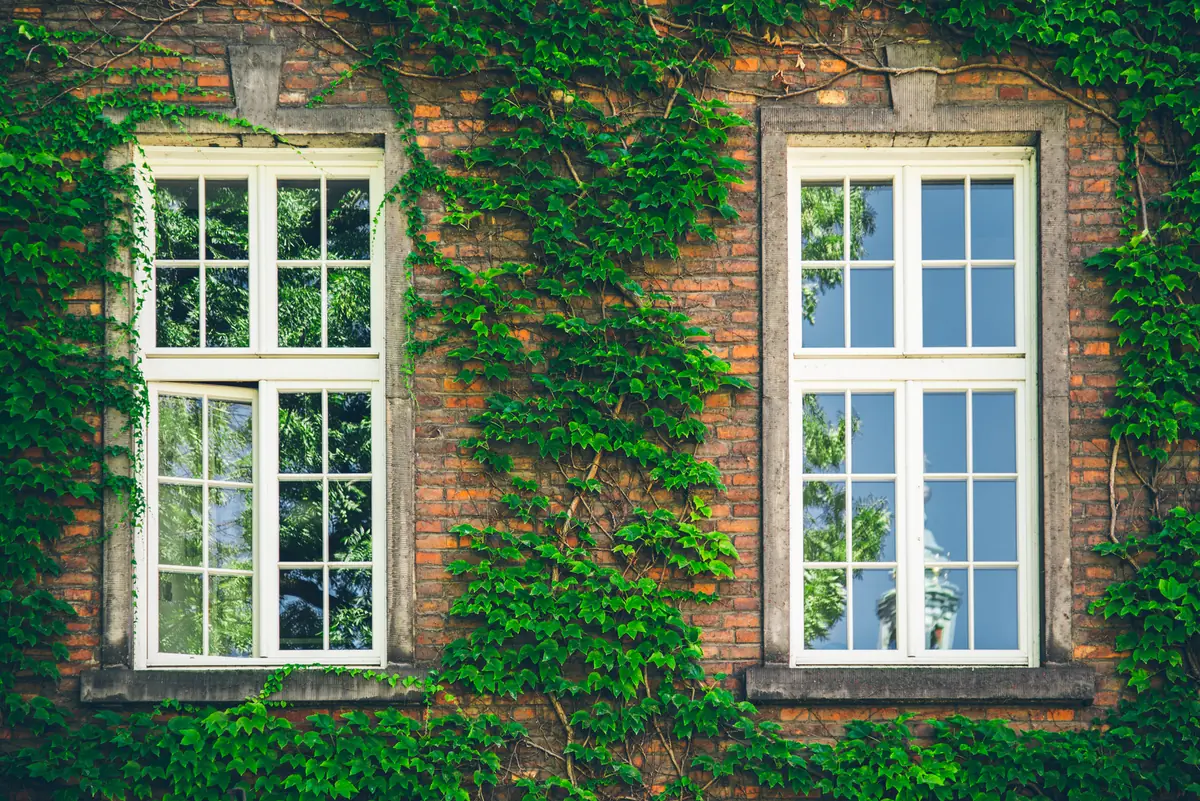
Ivy damages buildings mainly by widening cracks and holding moisture against walls. It does offer some benefits, such as insulation and protection from the elements, but the same growth causes problems.
Structural damage
Ivy attaches itself to surfaces with small root-like structures called holdfasts. These are not harmful at first, but over time they can penetrate cracks and crevices in brickwork, mortar and wood and widen them as the ivy grows.
Moisture retention
Ivy keeps the surface beneath it damp, which can lead to damp problems, particularly in older buildings built of porous materials. Constant moisture encourages mould and mildew, which further deteriorate building materials and can pose health risks to occupants.
Pests
Ivy can provide a habitat for rodents and insects, which may find their way into the building. Birds nesting in ivy can block gutters and downpipes with nests and droppings.
Seen cracks at a home you are buying? Get a survey price for the home you are buying.
How can overhanging trees damage a property?
Trees can damage a property through their roots, falling branches, falling leaves and the shade they cast.
- Root damage: trees with extensive root systems near a building can contribute to cracks and structural instability. In extreme cases this can result in subsidence, where the ground beneath the property sinks, causing severe structural damage.
- Falling branches: overhanging branches can fall, especially in storms or high winds, damaging roofs and windows and endangering occupants and passers-by.
- Leaves and debris: these collect in gutters and downpipes and block them. Water then overflows, causing damp and damage to the exterior.
- Light and airflow: trees can block natural light and airflow, leading to damp and mould inside. Occupants may also need artificial lighting and heating more often, affecting energy efficiency.
Can shrubs cause damage too?
Yes, particularly when planted too close to the building. Shrub roots are generally less aggressive than tree roots, but they can still damage foundations, driveways and underground pipes.
- Damp: shrubs close to the walls hold moisture against them, which is particularly problematic where drainage is poor or rainfall is high.
- Pests: shrubs can harbour insects and rodents that may get into the building. Regular pruning and maintenance help.
What to look for when viewing
- Ivy growing over walls, especially older walls of porous materials, and any cracks beneath it.
- Damp patches, mould or mildew on walls behind ivy or shrubs.
- Trees close to the house, cracks that could relate to root activity, and overhanging branches above roofs and windows.
- Leaves, debris, nests or droppings in gutters and downpipes.
- Shrubs planted close to the walls, driveways or drainage runs.
- Signs of rodent or insect activity.
- Rooms that are dark or poorly ventilated because of shading trees.
How can vegetation damage be prevented?
Regular inspection and maintenance prevent most vegetation problems from becoming serious.
- Inspect regularly: a qualified professional should check for structural damage, damp and pest activity.
- Prune and trim: remove overhanging branches, cut back ivy and keep shrubs away from the building, using the correct tools and techniques to avoid further damage.
- Install root barriers: physical barriers, typically of plastic or metal, set in the ground so roots cannot reach foundations and underground pipes.
- Maintain gutters and downpipes: remove leaves and debris, check for damage, and keep gutters properly aligned and securely attached.
- Take professional advice: a qualified surveyor or arborist (a tree specialist) can advise on managing vegetation, inspect and recommend maintenance and repairs.
What legal issues apply to trees and vegetation?
Boundaries, Tree Preservation Orders and building regulations can all affect what an owner may do.
- Boundaries: overhanging branches and encroaching roots can lead to disputes with neighbours. Owners should know their rights and responsibilities and talk to neighbours to resolve issues amicably.
- Tree Preservation Orders (TPOs): a protected tree cannot be pruned or removed without permission from the local council, so its status should be checked before any work.
- Building regulations: these may apply to some work, such as structural repairs, so it should be checked whether council approval is needed.
What a survey can — and cannot — tell you
A building survey provides an informed assessment of the visible condition of a property. Inspections are non-intrusive and limited to areas that are accessible at the time of inspection.
Where vegetation is significant, a survey identifies visible signs of damage before they become serious problems and can point to the need for advice from an arborist.
- Cracks in brickwork, mortar and wood where ivy is attached.
- Damp, mould and mildew linked to ivy, shrubs or shading.
- Trees and shrubs close to the building and overhanging branches.
- Blocked or poorly attached gutters and downpipes.
- Visible signs of pest activity.
However, there are limitations to what a survey can determine without intrusive investigation.
- The condition of walls hidden behind dense ivy.
- The extent of roots below ground and their effect on foundations and underground pipes.
- Whether a tree is protected by a Tree Preservation Order, which is checked with the local council.
Where higher-risk indicators are identified, further specialist or intrusive investigation may be recommended.
Frequently asked questions
Does ivy damage brickwork?
It can. Ivy holdfasts penetrate cracks and crevices in brickwork and mortar and widen them as the plant grows, and ivy holds moisture against the wall.
Can tree roots cause subsidence?
In extreme cases, yes. Trees with extensive root systems near a building can contribute to cracks and instability, and this can result in subsidence, where the ground beneath the property sinks.
Are shrub roots as damaging as tree roots?
They are generally less aggressive, but shrubs planted too close to a property can still damage foundations, driveways and underground pipes.
Can a protected tree be pruned or removed?
Not without permission from the local council if it is covered by a Tree Preservation Order, so its status should be checked before any pruning or removal.
What is a root barrier?
A physical barrier, typically of plastic or metal, installed in the ground so that tree and shrub roots cannot reach foundations and underground pipes.