
Why are older homes noisier?
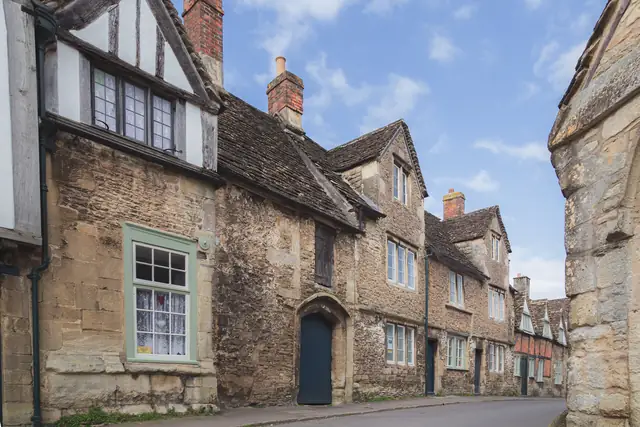
Older buildings, particularly those built before modern building regulations, often have inadequate sound insulation. Their materials and construction methods were not designed with modern noise standards in mind, so sound passes more easily through walls and floors.
Common noise problems in older buildings
- Footsteps and impact noise. Wooden floors and thin ceilings make footsteps and other impacts particularly intrusive.
- Plumbing. Water running through pipes, flushing toilets and other plumbing sounds can be more noticeable.
- Conversations. Thin walls and a lack of insulation make it easy to hear neighbours talking.
- External noise. Older windows and doors may not keep out traffic and street noise.
Questions about the home you are buying? Get a survey price for the home you are buying.
Does noise affect property value?
Yes. Buyers may be put off by the prospect of a noisy home, which can lower market value, and properties with known noise issues may take longer to sell. The main factors are:
- Location: homes near busy roads, railways or commercial areas are more likely to have higher noise levels.
- Building age and construction: older buildings with poor sound insulation are more affected.
- Neighbourhood: general noise in the area, including from neighbours.
- Reputation: properties known for noise problems may be seen as less desirable.
How much does soundproofing cost?
Soundproofing floors, walls and ceilings can cost between £130 and £370 per square metre, depending on the level of insulation needed (figures given when this guide was first written). The cost adds up quickly in larger properties.
- Materials: costs vary widely, and better materials generally cost more.
- Labour: effective soundproofing often needs professional installation.
- Extent: the more work needed, the higher the cost; full soundproofing of a property is a significant expense.
What types of sound insulation are there?
| Measure | What it does |
|---|---|
| Acoustic panels | Fitted to walls and ceilings to absorb sound and reduce transmission. |
| Soundproof flooring | Underlay and soundproofing materials beneath the floor reduce impact noise. |
| Double or triple glazing | Can significantly reduce external noise. |
| Insulated doors | Help block noise coming through doorways. |
What to look for when viewing
- Wooden floors and thin ceilings
- Thin walls through which neighbours can be heard
- Audible plumbing from neighbouring properties
- Older windows and doors facing roads or busy streets
- Nearby busy roads, railways or commercial areas
Which searches help with noise?
A legal adviser can carry out searches that reveal possible noise problems and other factors affecting the decision.
- Underground railways: being close to one can cause vibration and noise. A search can show whether there is one nearby.
- Planning applications: nearby construction can bring temporary or permanent increases in noise. A search can reveal planned developments.
- Contamination: while not a noise issue, environmental contamination can affect value and desirability, and a search can identify it.
What is an acoustic survey?
An acoustic survey measures the noise levels in a property. An acoustic surveyor assesses noise over a period long enough to capture variations, and provides a detailed report on the noise environment.
- It gives an accurate assessment of noise levels.
- It identifies specific noise sources, so they can be dealt with.
- It supports an informed decision before buying.
To commission one, engage a qualified acoustic surveyor, agree how long the survey will run, and review the report carefully, discussing any concerns with the surveyor.
How can noise be reduced after moving in?
- Rugs and carpets absorb sound and reduce transmission.
- Heavy curtains help block external noise.
- Furniture against walls can help block noise from neighbouring properties.
- White noise machines mask unwanted noise.
- Noise-cancelling headphones give relief from persistent noise.
- Talking to neighbours can resolve noise issues by agreement.
What to do next
- Visit the property at different times of day and on different days of the week.
- Talk to neighbours about the noise environment.
- Check local noise rules to understand the regulations and possible noise sources in the area.
- Ask a legal adviser about underground railway, planning and contamination searches.
- Commission an acoustic survey if noise is a concern.
- If soundproofing is likely, allow for its cost in the budget.
What a survey can — and cannot — tell you
A building survey provides an informed assessment of the visible condition of a property. Inspections are non-intrusive and limited to areas that are accessible at the time of inspection.
A building survey can record the age and type of construction, which helps indicate whether sound insulation between dwellings is likely to be poor.
- The age of the building and how its walls and floors are built
- Wooden floors and thin ceilings
- The type and condition of windows and doors
- Nearby roads, railways and commercial uses seen at the time of inspection
However, there are limitations to what a survey can determine without intrusive investigation.
- Actual noise levels, which need an acoustic survey
- Noise from neighbours that is not happening at the time of the visit
- Underground railways and planned developments, which are found through searches
Where higher-risk indicators are identified, further specialist or intrusive investigation may be recommended.
Frequently asked questions
Why can neighbours be heard so clearly in older homes?
Older buildings, particularly those built before modern building regulations, often have inadequate sound insulation, and thin walls let conversations carry.
How much does soundproofing cost?
Soundproofing floors, walls and ceilings can cost between £130 and £370 per square metre, depending on the level of insulation required (figures given when this guide was first written).
How long does an acoustic survey take?
It should run over a period long enough to capture variations in noise levels.
Does noise reduce a house price?
It can. Buyers may be put off by noise, lowering market value, and properties with known noise issues may take longer to sell.
What reduces footstep noise from upstairs?
Underlay and soundproofing materials beneath the flooring reduce impact noise, and rugs and carpets help absorb sound.