
What is rising damp?
Rising damp is a condition in which moisture from the ground rises up through the walls or floor of a building. It happens because of capillary action: the bricks and mortar absorb water from the ground like a sponge, and the water travels upwards. It is a common issue in many UK properties.
Most houses have a damp-proof course (DPC), a barrier installed into the base of the wall to stop water rising from the ground. These can fail or become ineffective over time, and in older properties they may not exist at all.
What damage does rising damp cause?
Rising damp can lead to structural damage and health issues for occupants. It can cause:
- decay of timber floors and skirting boards;
- damage to plaster and paint;
- the growth of mould.
Worried about damp? Get a survey price for the home you are buying.
What are the signs of rising damp?
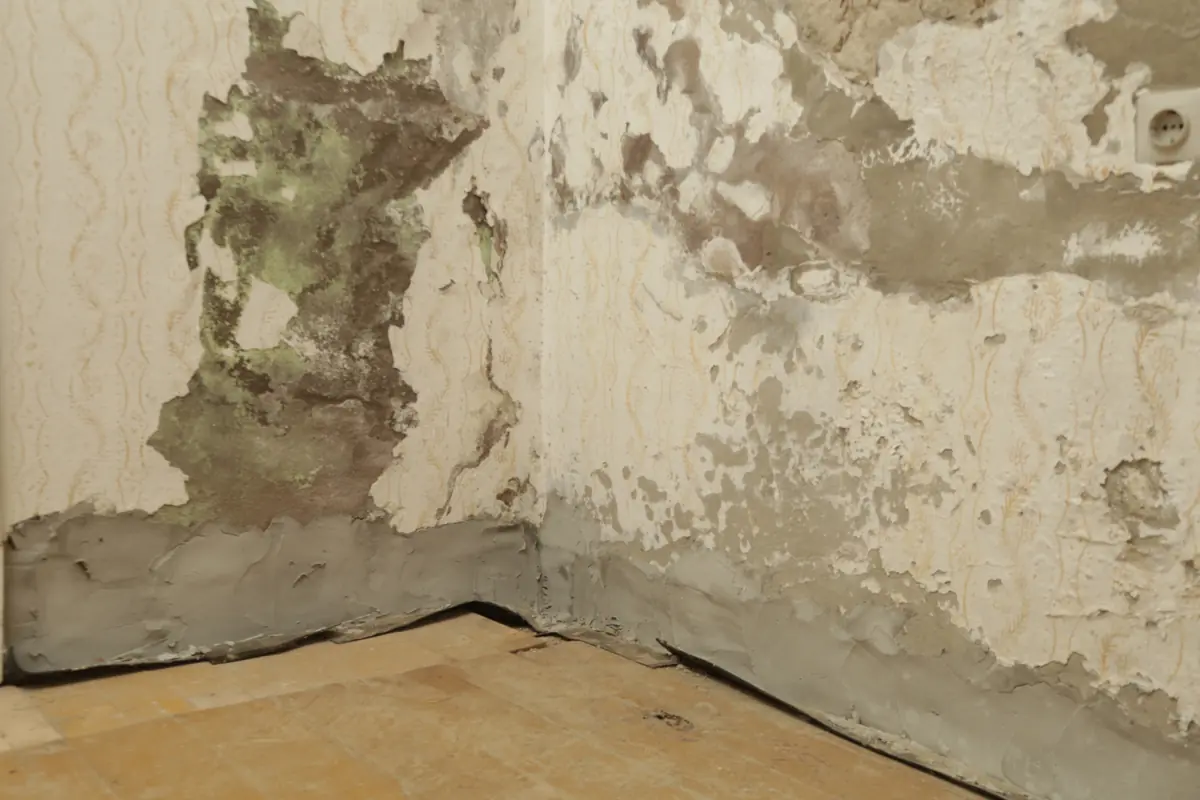
The most common sign is damp or wet patches on walls, usually up to about a metre high. Rising damp can be tricky to identify because it is often confused with other types of dampness such as condensation or penetrating damp.
- Damp or wet patches on walls, usually up to about a metre above the floor.
- Wallpaper peeling away from the wall.
- A damp, musty smell in the affected rooms.
- Discolouration and staining of wall coverings.
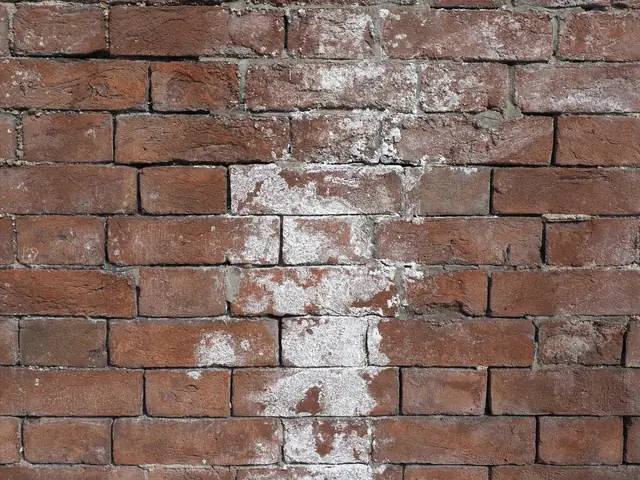
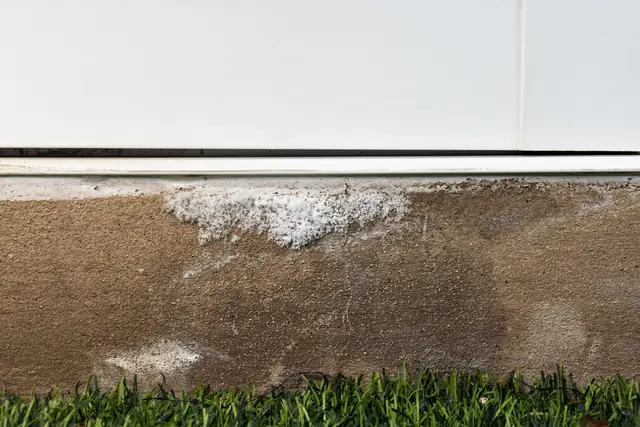
- Salt stains, or a white, powdery substance on the walls.
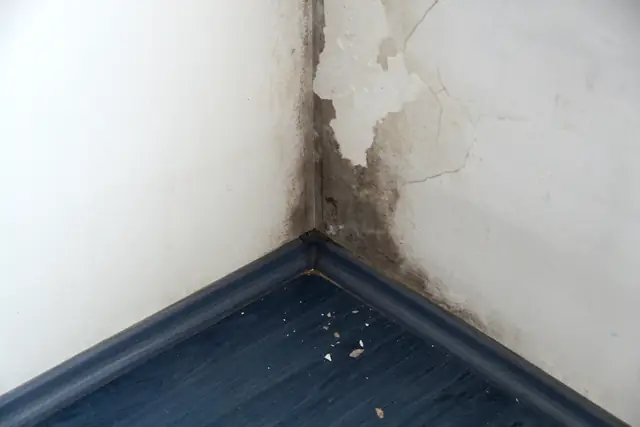
- Black mould on walls.
- Rotting skirting boards or floor timbers.
What is the difference between active and historic rising damp?
Active rising damp is happening now and will keep causing damage until it is treated. Historic rising damp occurred in the past and is no longer active, although it may have left damage that needs repairing.
| Active rising damp | Historic rising damp | |
|---|---|---|
| Status | Currently happening | Occurred in the past, no longer active |
| Damp patches | Usually damp to the touch | Usually dry |
| Musty smell | Persists | Gone |
| Ongoing harm | Continues until treated | Not causing further harm, but past damage may need repair |
Which properties are most affected by rising damp?
Rising damp can affect any property, but it is more common in older buildings, particularly those built without a damp-proof course. Modern buildings are usually built with DPCs.
- Older buildings without a DPC, or where it has become ineffective.
- Newer properties where the DPC has been bridged or is faulty.
- Properties in areas with high groundwater levels.
- Buildings of more porous types of brick or stone.
What to look for when viewing a property
- Damp or wet patches on the lower part of walls, up to about a metre high.
- Peeling wallpaper and stained or discoloured wall coverings.
- A musty smell.
- Salt stains or a white, powdery deposit on walls.
- Black mould.
- Rotting skirting boards or floor timbers.
- Whether patches feel wet or dry, which may point to active or historic damp.
How is rising damp treated?
Treatment usually involves removing the affected plaster, installing a new damp-proof course, then replastering and redecorating the wall. In some cases decayed timber floors also need replacing. The first step is to confirm the damp is present, which can be done through a professional damp survey.
- Get a professional survey. A surveyor can diagnose the problem and suggest the best course of action.
- Install or repair the DPC. Where there is no DPC, or it is damaged, installing or repairing one creates a barrier that stops water rising from the ground.
- Replaster and redecorate. Remove the affected plaster, then replaster and redecorate once the damp-proof course has been dealt with.
How can rising damp be prevented?
A functioning damp-proof course is the best way to prevent rising damp. Regular maintenance checks can catch potential issues early, before they become a major problem.
What to do next
- If you suspect rising damp, act quickly to prevent further damage.
- Have its presence confirmed through a professional survey.
- Check whether the damp is active or historic.
- Seek professional help with treatment rather than attempting it yourself.
- Carry out regular maintenance checks once the problem is resolved.
What a survey can — and cannot — tell you
A building survey provides an informed assessment of the visible condition of a property. Inspections are non-intrusive and limited to areas that are accessible at the time of inspection.
Because rising damp is often confused with condensation and penetrating damp, a professional surveyor's diagnosis helps establish what is causing the dampness and the best course of action.
- Damp patches, staining, peeling wallpaper and salt deposits on walls.
- Musty smells and mould growth.
- Visible decay of skirting boards and floor timbers.
- Signs that a damp-proof course may be missing, bridged or faulty.
- Whether damp patches appear wet or dry.
However, there are limitations to what a survey can determine without intrusive investigation.
- Timber floors and the base of walls hidden behind finishes cannot be seen.
- Confirming rising damp may need a professional damp survey.
Where higher-risk indicators are identified, further specialist or intrusive investigation may be recommended.
Frequently asked questions
How high does rising damp go?
Damp or wet patches from rising damp usually appear up to about a metre above the floor.
What causes rising damp?
Ground water is drawn up through walls by capillary action in the bricks and mortar. It occurs where the damp-proof course has failed, been bridged or does not exist.
Can new houses get rising damp?
Yes. Although it is more common in older buildings, newer properties can be affected if the damp-proof course has been bridged or is faulty.
How can you tell if rising damp is still active?
Patches that are wet to the touch and a musty smell that persists may suggest active damp, while dry patches and no smell may suggest historic damp. A professional survey can confirm which it is.
Can rising damp be confused with other damp?
Yes. It is often confused with condensation or penetrating damp, which is why a professional diagnosis is advised before treatment.