
What is asbestos and why does it matter?
Asbestos is a group of naturally occurring fibrous minerals that was widely used in construction materials throughout the 20th century for its durability, fire resistance and insulating properties. It matters because asbestos fibres, when inhaled, can cause serious health problems, including lung cancer, mesothelioma and asbestosis.
The use of asbestos was banned in the UK in 1999. Many properties built or refurbished before that date may still contain asbestos-containing materials (ACMs), so buyers of a property built before 2000 should be aware of the possibility.
Want the services and materials checked? Get a survey price for the home you are buying.
Where is asbestos found in a house?
Asbestos can be found in many building materials, and its presence is not always obvious. Common locations include:
- Roof tiles and membranes: used for strength and resistance to weathering, particularly in older properties. Suspected asbestos in a roof should be inspected by a qualified asbestos surveyor.
- Textured coatings: decorative wall and ceiling finishes such as Artex often contain asbestos and can pose a risk if disturbed during renovation or repair.
- Floor tiles: vinyl floor tiles and their adhesive may contain asbestos. They are generally safe if left undisturbed, but removal or disturbance needs caution.
- Door panelling and soffit boards: including soffit boards at eaves level. These can become hazardous if they deteriorate or are disturbed during maintenance.
- Cement soffits and boards: such as soffits under stairs and cement boards in service cupboards. They are typically safe if intact but should be inspected before any work in these areas.
- Drainage pipes and wall panels: asbestos cement was commonly used in both, and can release fibres if damaged or disturbed.
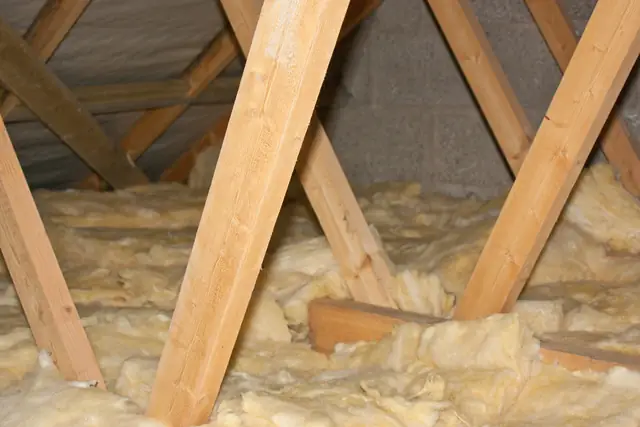
- Loft insulation and garage roofs: asbestos insulation was used for its fire resistance, and garage roofs often contained asbestos cement sheets.
- Cement flues and tanks: used in heating systems and water storage. These should be inspected and managed carefully to prevent exposure.
What types of asbestos survey are there?
There are two main types of asbestos survey, carried out by an approved asbestos surveyor: a management survey and a refurbishment and demolition survey.
| Survey type | When it is used | What it involves |
|---|---|---|
| Management survey | To identify ACMs that may be present and assess their condition, so they can be managed safely and left undisturbed | A report on the location and condition of identified ACMs, with recommended actions |
| Refurbishment and demolition survey | Necessary where any part of the property is to be refurbished or demolished | More intrusive; aims to identify all ACMs that the planned work may disturb, with samples taken of suspect materials and recommendations for safe removal or management |
How should an asbestos survey report be read?
An asbestos survey report should be read for three things: where each ACM is and what condition it is in, the risk it poses, and the recommended action.
- Location and condition: materials in good condition and unlikely to be disturbed can often be left in situ with regular monitoring. Damaged or deteriorating materials may need immediate attention.
- Risk assessment: the surveyor assesses the risk from each ACM, considering its condition, location and potential for disturbance. This helps set priorities.
- Recommended actions: these range from leaving materials undisturbed and monitoring them, to removing and disposing of them safely. The recommendations should be followed.
Can asbestos be left in place?
Yes. In many cases ACMs can be safely managed in situ, meaning left where they are, without removal. Managing them involves three steps:
- Regular inspections to monitor the condition of the ACMs and confirm they remain undisturbed. Any damage or deterioration should be dealt with promptly.
- Labelling and records: label identified ACMs clearly and keep detailed records of their location and condition, for future reference and to inform contractors or maintenance staff.
- Avoiding disturbance: avoid drilling, cutting or sanding ACMs. Where work in those areas is necessary, take precautions to minimise fibre release.
How is asbestos removed safely?
Some asbestos removal work must be carried out by a licensed asbestos removal contractor, who has the training, equipment and expertise to remove and dispose of it safely. Removal may be needed where materials are damaged or where refurbishment is planned.
- Legal requirements: removal work must comply with the relevant legal requirements and regulations, which for some work include notifying the Health and Safety Executive (HSE).
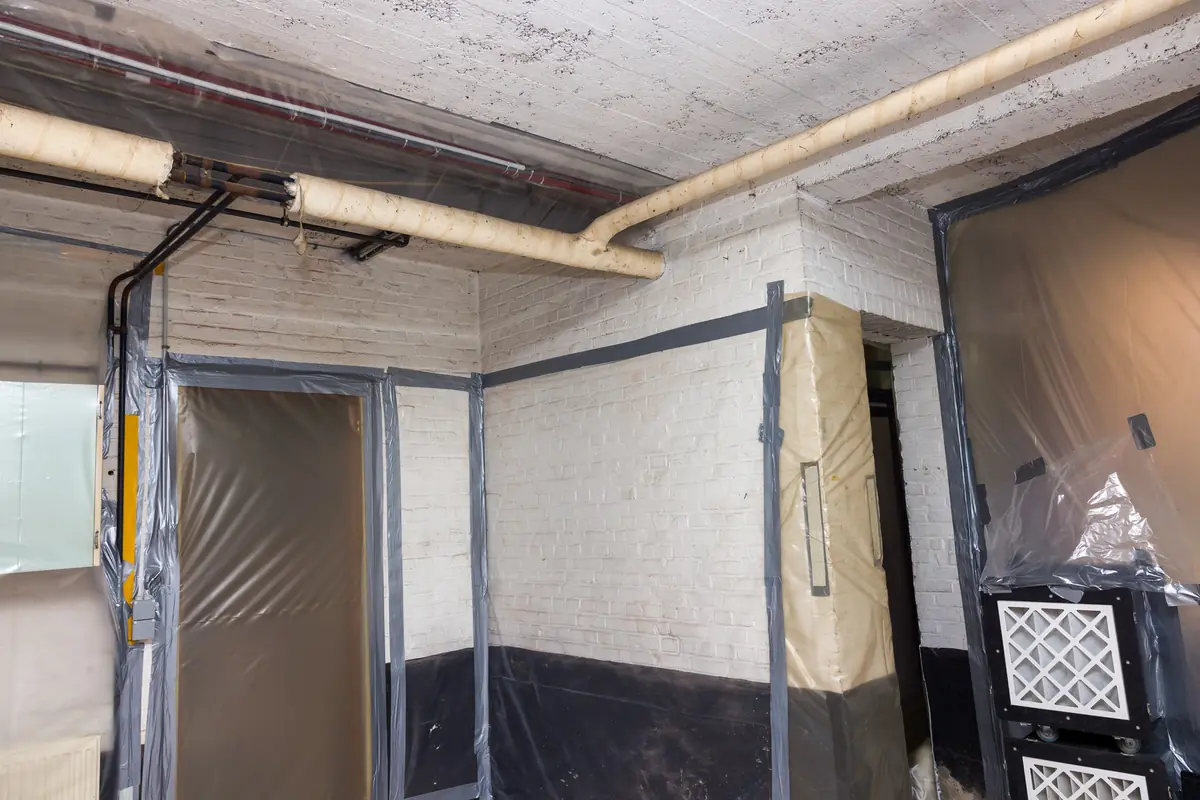
- Safety measures: these may include sealing off the work area, protective equipment and air monitoring to check that fibres are not released into the environment.
- Disposal: asbestos waste must be disposed of at a licensed asbestos disposal facility, following proper procedures to prevent environmental contamination.
What to do next if asbestos is suspected
- Commission an approved asbestos surveyor to survey the property, choosing a refurbishment and demolition survey if work is planned.
- Budget for survey, management and removal costs, which vary with the extent of the work.
- Share the asbestos survey report with builders and contractors so they can plan their work and avoid disturbing ACMs.
- Discuss the necessary safety precautions with them, and monitor the work to check the precautions are followed, raising any concerns promptly.
Asbestos can affect a property's value, but where ACMs are managed safely and documented properly, that effect can be minimised. Owners should be transparent with buyers about any asbestos and how it has been managed.
What a survey can — and cannot — tell you
A building survey provides an informed assessment of the visible condition of a property. Inspections are non-intrusive and limited to areas that are accessible at the time of inspection.
A building survey can flag materials in the common locations where asbestos may be present, and their visible condition, so that a buyer knows where an asbestos surveyor's input is needed.
- Textured coatings on walls and ceilings.
- Floor tiles, soffit boards and cement boards.
- Cement drainage pipes, wall panels, flues and tanks.
- Roof coverings, including garage roofs with cement sheets.
- Insulation in an accessible loft.
However, there are limitations to what a survey can determine without intrusive investigation.
- Its presence is not always obvious, so asbestos cannot be confirmed by sight alone.
- Confirming suspect materials requires samples taken by an asbestos surveyor.
- Materials hidden within the structure cannot be seen in a non-intrusive inspection.
Where higher-risk indicators are identified, further specialist or intrusive investigation may be recommended.
Frequently asked questions
When was asbestos banned in the UK?
The use of asbestos was banned in the UK in 1999. Properties built or refurbished before then may still contain asbestos-containing materials.
Does Artex contain asbestos?
Textured coatings such as Artex often contain asbestos. They can pose a risk if disturbed during renovation or repair.
Is asbestos dangerous if left alone?
Materials in good condition and unlikely to be disturbed can often be left in place with regular monitoring. The risk comes from damaged or deteriorating materials, or from disturbance such as drilling, cutting or sanding.
Which asbestos survey is needed before renovation?
A refurbishment and demolition survey. It is more intrusive than a management survey and aims to identify all ACMs that the planned work may disturb.
Who can remove asbestos?
Some asbestos work must be carried out by a licensed asbestos removal contractor, and asbestos waste must go to a licensed asbestos disposal facility.