
What is a public sewer?
A public sewer is any sewer maintained by a water company. Public sewers are underground pipes that carry waste water from homes and businesses to treatment facilities, and they are essential for public health and sanitation.
Private drains only serve individual properties. Public sewers can run under roads, pavements and private land, including gardens and driveways, so their layout and location need to be understood before any construction work is planned.
How do you find out if a public sewer runs under a property?
There are two main ways to identify a public sewer on a property:
- Sewer maps. Local water companies maintain detailed maps of public sewers, which can be accessed online or by contacting the authority directly.
- Utility searches. A utility search can reveal public sewers and other underground utilities.
Buying a home that has been altered? Get a survey price for the home you are buying.
What permissions are needed to build over a public sewer?
Building over or near a public sewer involves several separate legal requirements.
- Building regulations are government standards for the safety and health of buildings. Any work involving public sewers must comply with them.
- Planning permission may be required for an extension. Local planning authorities assess applications against local development plans and policies.
- A Sewer Build Over Agreement is a formal agreement between the property owner and the local water company, usually needed when building over or near a public sewer.
How is a Sewer Build Over Agreement obtained?
- Application: submit an application to the local water company, including detailed plans of the proposed extension.
- Assessment: the water company assesses whether the extension will adversely affect the sewer.
- Approval: if the assessment is satisfactory, the water company issues the agreement.
What are the risks of building over a public sewer?
The main risks are structural damage, restricted access for repairs, damage during construction, and contamination from leaks or blockages.
Structural integrity
The structural integrity of both the sewer and the building can be compromised if proper precautions are not taken. Public sewers are designed to withstand certain loads, but the additional weight of a building extension can cause damage.
Access for maintenance and repairs
Public sewers need regular maintenance and occasional repairs. Building over one can restrict access and make it difficult for the water company to carry out the work, which can lead to blockages, leaks and other issues affecting the entire neighbourhood.
Damage to the sewer
Construction work can inadvertently damage the sewer, leading to leaks, blockages and even collapses. This can result in significant repair costs and potential legal liabilities for the property owner.
Health, safety and the environment
Sewers carry waste water, which can pose serious health risks if not properly managed. Leaks or blockages can contaminate the surrounding soil and water, a risk to public health and the environment. Because public sewers serve entire communities, any problem can affect multiple properties.
How can the risks be reduced?
The risks are reduced by a thorough professional assessment, suitable engineering solutions, and regular inspection and maintenance afterwards.
A professional assessment of the property and the sewer can identify potential risks and recommend ways to mitigate them. The engineering solutions used to protect both the sewer and the building include:
- Reinforced foundations, which help distribute the load and prevent damage to the sewer.
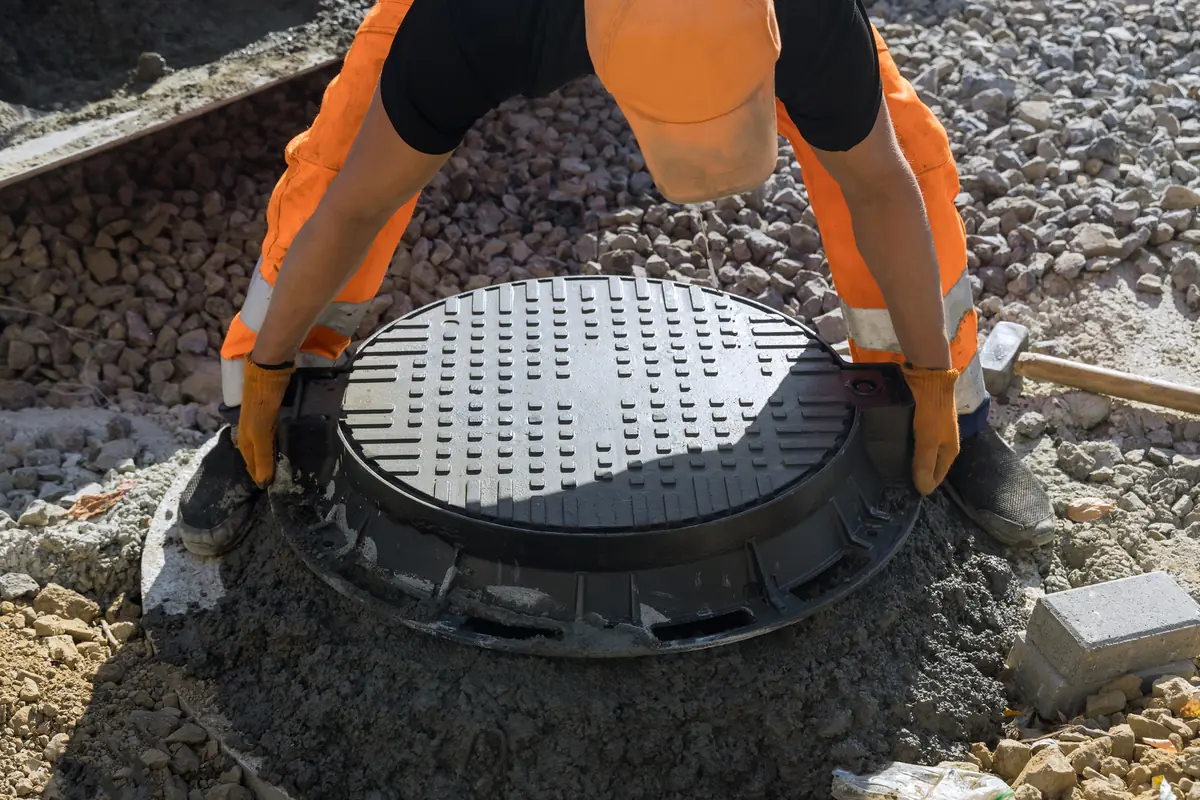
- Access points or manholes, which keep the sewer accessible for maintenance and repairs.
- Protective sleeves or encasements, which protect the sewer from damage during construction.
Regular inspections and maintenance of both the building and the sewer help identify and address issues before they become serious problems.
What does building over a sewer look like in practice?
One example illustrates the process.
- A residential extension in London. A homeowner planned a two-storey extension over a public sewer. The local water company required a detailed assessment and a Sewer Build Over Agreement. The homeowner had a professional surveyor carry out an assessment and used reinforced foundations and access points. The extension was completed, with regular inspections since.
What are the costs of building over a public sewer?
There are four areas of cost to plan for:
- Surveys and assessments by professionals, which can be costly.
- Engineering solutions, such as reinforced foundations and protective sleeves, which add to construction costs.
- Repairs, which can be significant if the sewer is damaged during construction, plus the cost of regular maintenance and inspections.
- Legal and insurance matters: all necessary permissions and agreements should be in place, and the building adequately insured.
What to do next when planning an extension near a sewer
- Plan early and consult the local water company and a professional surveyor, so potential issues are identified and the necessary permissions and agreements are put in place.
- Commission detailed assessments and surveys of the property and the sewer to identify risks and how to mitigate them.
- Implement the engineering solutions required, such as reinforced foundations and protective sleeves.
- Keep up regular inspections and maintenance of both the building and the sewer.
What a survey can — and cannot — tell you
A building survey provides an informed assessment of the visible condition of a property. Inspections are non-intrusive and limited to areas that are accessible at the time of inspection.
Where an extension may sit over or near a public sewer, a survey assesses the property and helps identify the potential risks, so the right questions about permissions and agreements can be raised.
The surveyor can look at and record:
- Extensions that may have been built over or near a public sewer
- Visible access points and manholes
- Visible signs of structural problems in the extension
However, there are limitations to what a survey can determine without intrusive investigation.
- The condition of the sewer below ground cannot be seen.
- Whether a Sewer Build Over Agreement is in place is a matter for the water company's records and the legal paperwork.
- Concealed foundations and any protective sleeves or encasements cannot be inspected.
Where higher-risk indicators are identified, further specialist or intrusive investigation may be recommended.
Frequently asked questions
Can you build an extension over a public sewer?
It can be done, but it is not straightforward. A Sewer Build Over Agreement with the local water company is usually needed, along with compliance with building regulations and, where required, planning permission.
Who maintains a public sewer?
A public sewer is any sewer maintained by a water company. Public sewers can run under roads, pavements and private land, including gardens and driveways.
What is the difference between a public sewer and a private drain?
Private drains only serve individual properties. Public sewers are maintained by a water company and can run under roads, pavements and private land.
Why does access to the sewer matter?
Public sewers need regular maintenance and occasional repairs. If an extension restricts access, the work becomes difficult, which can lead to blockages, leaks and other issues affecting the neighbourhood.
What happens if construction damages a public sewer?
Damage can cause leaks, blockages and even collapses. The result can be significant repair costs and potential legal liabilities for the property owner.