
What is a water softener?
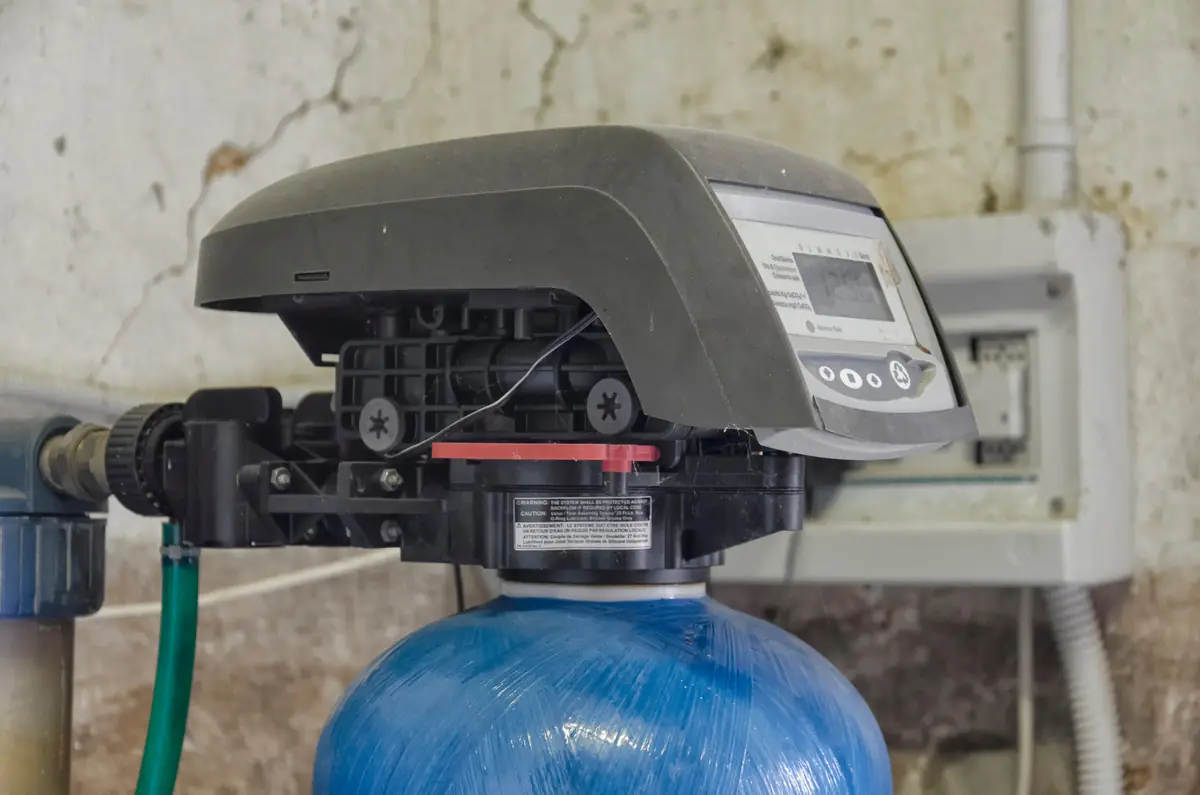
A water softener is a device that turns hard water into soft water by reducing the concentration of calcium, magnesium and certain other metal cations (positively charged ions). These hardness ions cause problems ranging from soap scum in baths and sinks to damaged appliances and clogged pipes.
Water softeners are becoming increasingly popular in UK households.
What are the benefits of a water softener?
The main benefits are longer appliance life, better cleaning, less soap use and a healthier plumbing system.
- Longer appliance life: minerals in hard water build up in washing machines, dishwashers and water heaters, making them work harder and wear out faster. Softening the water can extend their lifespan.
- Improved cleaning: hard water stops soap lathering properly and leaves a residue on skin, clothes and dishes. Soft water lathers more effectively, with less residue on dishes and clothes.
- Less soap: because soft water lathers better, less soap, shampoo and detergent is needed.
- Healthier plumbing: minerals in hard water build up in pipes over time, leading to clogs and reduced water flow. Softening can reduce this build-up.
Want the services and materials checked? Get a survey price for the home you are buying.
How much does a water softener cost?
A water softener in the UK typically costs between £300 and £1,000, depending on the type and size of the system, plus installation of typically £100 to £500 (figures given when this guide was first written).
| Cost | Typical figure | Notes |
|---|---|---|
| Water softener unit | £300 to £1,000 | Varies widely with type and size of system |
| Installation | £100 to £500 | Varies |
| Salt | Around £5 to £10 per bag | Added once a month or more, depending on water use and hardness |
| Electricity | Typically minimal | Varies with the system |
What maintenance does a water softener need?
A water softener needs regular maintenance to keep working effectively, mainly adding salt to the system. Depending on water usage and hardness, salt may need adding once a month or more. Softeners also use electricity to operate, though the cost is typically minimal.
How do you choose a water softener?
Start by finding out how hard the water is, then consider the regeneration system, the brand and the warranty.
- Test the water hardness with a simple test kit. The result helps decide the size and type of system needed.
- Choose the regeneration system. Regeneration is the softener's cleaning cycle. Some systems use a timer; others use a meter to measure water usage.
- Compare brands and models. Look for a reputable brand with good customer reviews.
- Check the warranty offered on the system.
What to look for when viewing
- Soap scum or residue in baths and sinks, a sign of hard water.
- Whether a water softener is already fitted, and whether it uses a timer or a meter.
- Signs of reduced water flow that may point to mineral build-up in pipes.
- The age and condition of appliances such as washing machines, dishwashers and water heaters.
What a survey can — and cannot — tell you
A building survey provides an informed assessment of the visible condition of a property. Inspections are non-intrusive and limited to areas that are accessible at the time of inspection.
A survey can record whether a water softener is fitted and note the visible condition of the plumbing it serves, as part of the wider inspection of the property's services.
- The presence and location of a water softener.
- Visible plumbing and any signs of leaks or poor flow.
- Visible scale or residue at sanitary fittings.
However, there are limitations to what a survey can determine without intrusive investigation.
- Water hardness needs a test kit to measure.
- A visual inspection cannot confirm that a softener is working effectively or has been maintained.
- Mineral build-up inside concealed pipes cannot be seen.
Where higher-risk indicators are identified, further specialist or intrusive investigation may be recommended.
Frequently asked questions
What does a water softener remove?
It reduces the concentration of calcium, magnesium and certain other metal ions in hard water. These hardness ions cause soap scum, damaged appliances and clogged pipes.
How often does salt need adding to a water softener?
Depending on water usage and hardness, salt may need adding once a month or more. A bag of salt cost around £5 to £10 when this guide was first written.
Is a metered or timer water softener better?
Metered systems are typically more efficient, because they only regenerate when necessary rather than on a set timer.
Does a water softener use electricity?
Yes, though the energy cost is typically minimal.
How is water hardness checked?
With a simple test kit. The result helps decide the size and type of softener needed.