
What is a ground cavity?
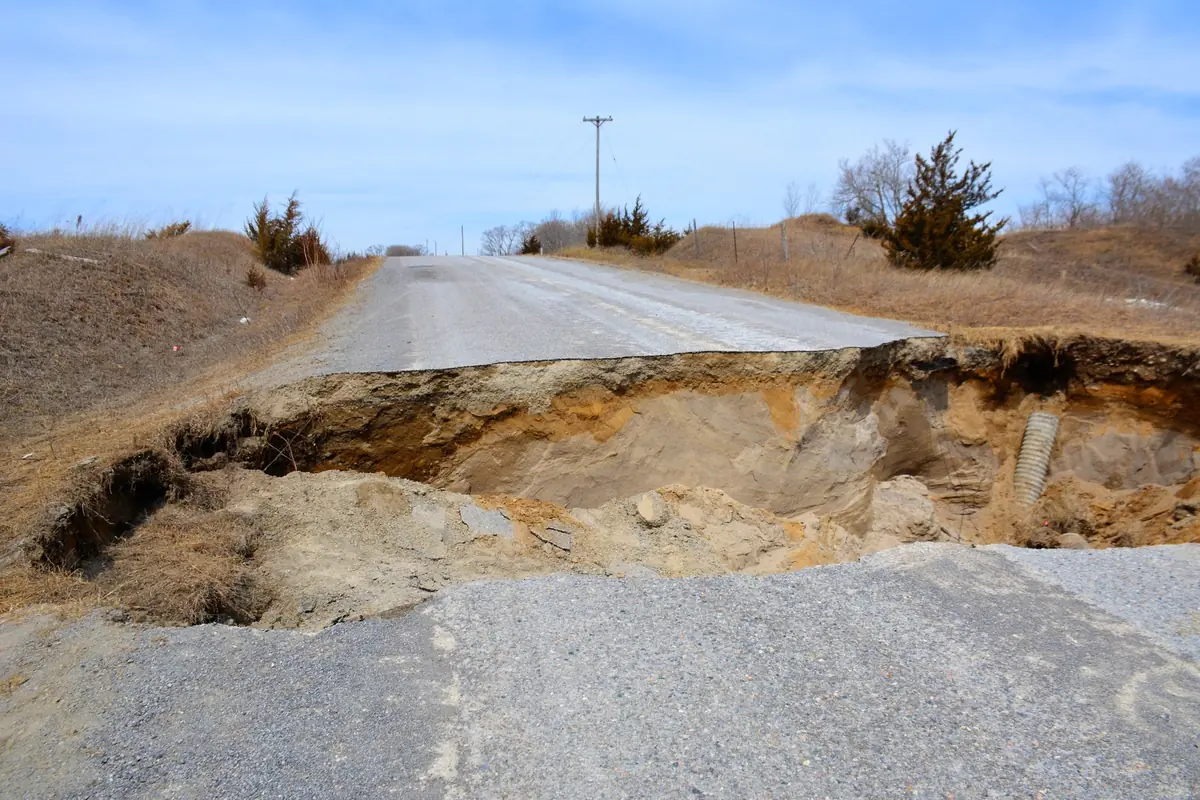
A ground cavity is a hollow space in the ground. Cavities are a concern because they may affect the stability of structures built over them.
A Groundsure report is a location-specific environmental search that gives details about a property's past and present condition. Ground cavities are one of the items in the report that often cause buyers concern.
What causes ground cavities?
Ground cavities form through natural processes or human activity.
- Natural processes: weathering and erosion, and groundwater circulation, which can dissolve certain types of rock and lead to cavities developing gradually over centuries.
- Human activity: mining operations and tunnels, which are major contributors to subsurface voids.
These processes are common, but their effect on property stability and safety differs, which is why the Groundsure report highlights them.
What do the Groundsure ground cavity ratings mean?
The report typically gives a risk value for the area where the property is located. The mention of ground cavities is intended to make the buyer aware of potential risk, not to raise unnecessary alarm.
| Risk rating | What it generally means |
|---|---|
| Very low or low | Does not generally pose a significant problem |
| Higher ratings | Could warrant further investigation to establish the stability of the property |
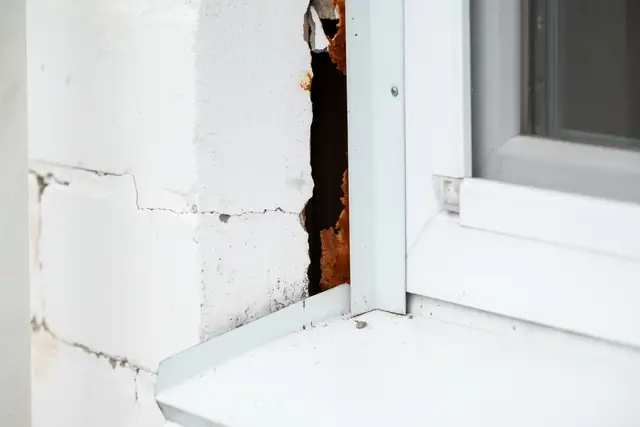
Seen cracks at a home you are buying? Get a survey price for the home you are buying.
Should you be worried about ground cavities?
Not always, but they should not be ignored. A note of ground cavities in the report is worth taking seriously without letting it cause unwarranted fear.
- Properties built on land with ground cavities may require specialist foundation designs or mitigation measures for their long-term stability.
- The presence of cavities may affect insurance costs.
What to do next if the report flags a ground cavity risk
Where the report shows a risk above low, the risk should be investigated before committing to the purchase.
- Commission a ground stability survey: this can give detailed information on subsurface conditions and suggest remedial measures if required.
- Discuss the findings with a property lawyer: a lawyer familiar with these reports can advise on any legal implications.
- Ask the local authority: find out whether there have been subsidence issues in the area.
- Ask about insurance history: enquire whether there have been insurance claims for ground subsidence on the property.
- Get cost advice: a groundwork contractor or structural engineer can explain the cost implications if further work is needed.
What a survey can — and cannot — tell you
A building survey provides an informed assessment of the visible condition of a property. Inspections are non-intrusive and limited to areas that are accessible at the time of inspection.
Where a Groundsure report mentions ground cavities, a building survey forms part of the thorough inspection that should guide the decision, alongside the report itself and advice from other property professionals.
- Visible signs of subsidence or movement in the building.
- The visible condition of the structure built over the ground in question.
- Whether the findings point towards a ground stability survey or a structural engineer.
However, there are limitations to what a survey can determine without intrusive investigation.
- Subsurface conditions and the presence or extent of voids below ground, which need a ground stability survey.
- The design of the foundations and any mitigation measures, which are concealed.
- The subsidence history of the area or past insurance claims, which need separate enquiries, including of the local authority.
Where higher-risk indicators are identified, further specialist or intrusive investigation may be recommended.
Frequently asked questions
Is a low ground cavity risk a problem?
A very low or low risk rating does not generally pose a significant problem.
What should be done about a higher rating?
Consider commissioning a ground stability survey, which can give detailed information on subsurface conditions and suggest remedial measures if required.
Can ground cavities affect home insurance?
They may. The presence of cavities may affect insurance costs.
Are ground cavities natural or man-made?
Both. They can be caused by weathering, erosion and groundwater dissolving certain rocks, or by human activity such as mining and tunnels.
Who else should be consulted about a ground cavity risk?
A property lawyer about the report findings, the local authority about subsidence in the area, and a groundwork contractor or structural engineer about the cost of any work needed.