
What are the typical features of a Victorian house?
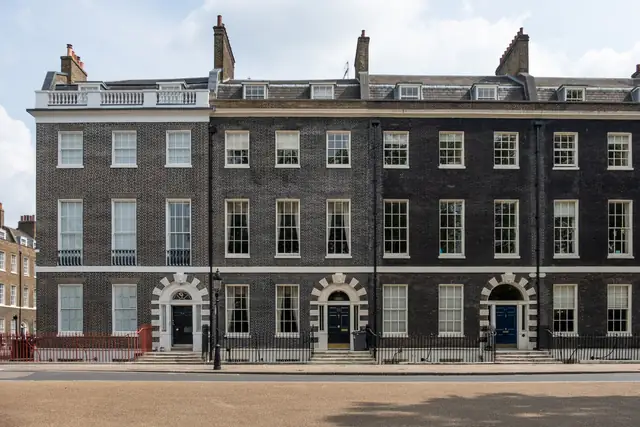
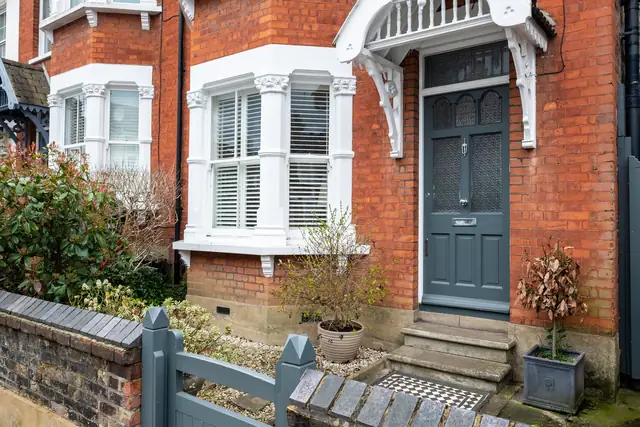
Victorian houses were built during Queen Victoria's reign, between 1837 and 1901, and are known for ornate detailing, high ceilings and large sash windows.
- Ornate detailing: intricate cornices, ceiling roses and decorative mouldings.
- High ceilings: creating a sense of space.
- Sash windows: large, vertically sliding windows that let in ample natural light.
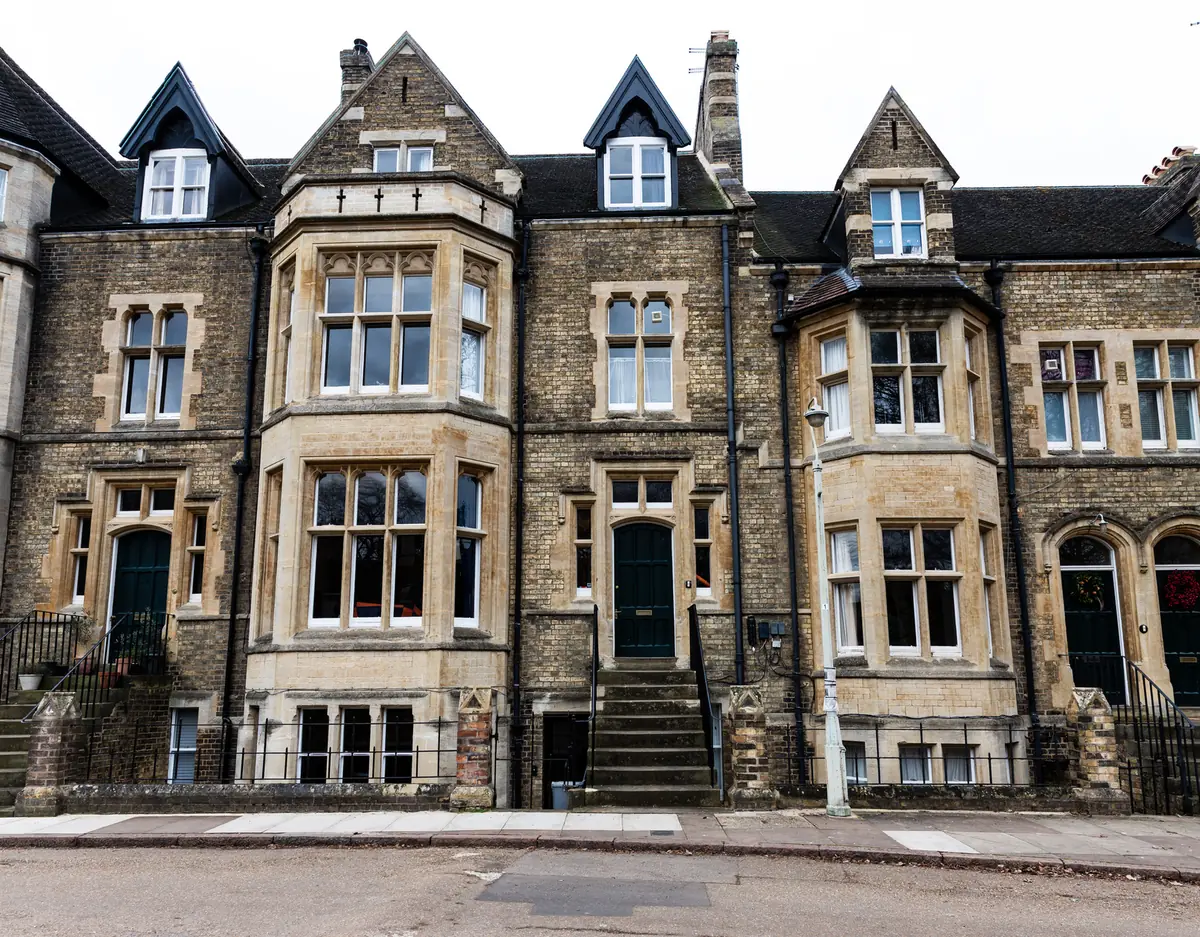
- Bay windows: common, adding to the exterior and giving additional interior space.
- Fireplaces: original fireplaces, often of cast iron or marble, in living rooms and bedrooms.
- Brickwork: typically solid brick walls, often with decorative brickwork patterns.
Buying an older home? Get a survey price for the home you are buying.
How are Victorian houses laid out?
The layout is usually traditional, with a long hallway, two reception rooms and bedrooms on the upper floors.
- Hallways: long and narrow, often with decorative tiles and dado rails.
- Reception rooms: usually two on the ground floor, often called the front and back parlours.
- Kitchens: originally small and at the rear of the house, though many have since been extended or modernised.
- Bedrooms: on the upper floors, with the main bedroom often having a bay window.
- Cellars and attics: present in many Victorian homes and usable for storage or conversion to additional living space.
What damp problems affect Victorian houses?
Victorian houses can suffer rising damp, penetrating damp and condensation.
| Type | Cause | Signs |
|---|---|---|
| Rising damp | Moisture from the ground rising up through the walls | Peeling wallpaper, damp patches, musty smell |
| Penetrating damp | Water entering through external walls, often due to damaged brickwork or faulty gutters | Damp patches on walls and ceilings |
| Condensation | Poor ventilation | Black mould spots, especially in bathrooms and kitchens |
What structural problems do Victorian houses have?
The main structural concerns are subsidence, settlement cracks and roof problems.
- Subsidence: the ground beneath the property shifts, causing the foundations to move. Look for cracks in walls, especially around doors and windows.
- Settlement cracks: common in older properties, and many are minor. Large or widening cracks should be investigated.
- Roof problems: Victorian roofs are often slate, which can become loose or damaged over time. Look for missing or broken slates and signs of water ingress in the attic.
What timber decay is found in Victorian houses?
Woodworm, dry rot and wet rot are the three forms of timber decay to look for.
- Woodworm: caused by beetle larvae burrowing into wood, which can weaken timber and in severe cases cause structural damage. Signs are small holes in wooden beams and floors and fine, powdery dust.
- Dry rot: a serious fungal infection that can cause extensive damage to timber. Signs are a distinctive mushroom-like smell and cracked, brittle wood.
- Wet rot: occurs when timber is exposed to moisture for prolonged periods. Signs are soft, spongy wood and a damp smell.
Do Victorian houses have old wiring and lead pipes?
Often, yes. Victorian homes frequently have outdated services that need upgrading.
- Outdated wiring: electrical systems may not meet current safety standards. Look for old fuse boxes and fabric-covered wiring.
- Lead pipes: some Victorian properties still have lead plumbing, which can pose health risks. Replacement with modern alternatives should be considered.
- Inadequate heating: original heating systems are often inefficient. Look for old boilers and radiators that may need upgrading.
Can a Victorian house contain asbestos?
It can. Asbestos was commonly used in building materials, and it is one of the hazards to be aware of when buying a Victorian property.
What to look for when viewing
- Peeling wallpaper, damp patches and a musty smell.
- Black mould spots in bathrooms and kitchens.
- Cracks in walls, especially around doors and windows, and any that look large or widening.
- Missing or broken slates, and signs of water ingress in the attic.
- Small holes and fine powdery dust in wooden beams and floors.
- A mushroom-like smell, cracked and brittle wood, or soft and spongy wood.
- Old fuse boxes, fabric-covered wiring, lead pipes, and old boilers and radiators.
What to do next
- Have large or widening cracks investigated.
- Consider replacing any lead pipes with modern alternatives.
- Budget for upgrading outdated wiring and inefficient heating where found.
- Take asbestos into account as a potential hazard.
What a survey can — and cannot — tell you
A building survey provides an informed assessment of the visible condition of a property. Inspections are non-intrusive and limited to areas that are accessible at the time of inspection.
In a Victorian house, a survey helps a buyer identify the typical defects of the age before purchase, and judge which cracks are routine settlement and which need further investigation.
- Visible signs of rising damp, penetrating damp and condensation.
- Cracks in walls and their pattern around doors and windows.
- The condition of slate roof coverings and signs of water ingress in an accessible attic.
- Visible signs of woodworm, dry rot and wet rot.
- Visible indications of outdated wiring, lead pipes and old heating.
However, there are limitations to what a survey can determine without intrusive investigation.
- Timber decay hidden beneath floors or behind finishes cannot be seen without opening up.
- The presence of asbestos cannot be confirmed without specialist testing.
- Whether cracks are still widening cannot be judged from a single visit.
Where higher-risk indicators are identified, further specialist or intrusive investigation may be recommended.
Frequently asked questions
When were Victorian houses built?
Between 1837 and 1901, during Queen Victoria's reign.
Are cracks in a Victorian house serious?
Settlement cracks are common in older properties, and many are minor. Large or widening cracks should be investigated.
What does dry rot smell like?
Dry rot has a distinctive mushroom-like smell, and the affected wood is cracked and brittle.
Do Victorian houses have lead pipes?
Some still have lead plumbing, which can pose health risks, and replacing it with modern alternatives should be considered.
What are Victorian walls made of?
Victorian homes typically have solid brick walls, often with decorative brickwork patterns.