
What is lath and plaster?
Lath and plaster is an older technique for creating smooth walls and ceilings, and a forerunner of today's plasterboard. It is common in period properties, where it brings both character and challenges.
It has been used in England for centuries and was the top choice for walls and ceilings. By the mid-20th century, more modern materials had begun to take its place.
Want the services and materials checked? Get a survey price for the home you are buying.
How does lath and plaster work?
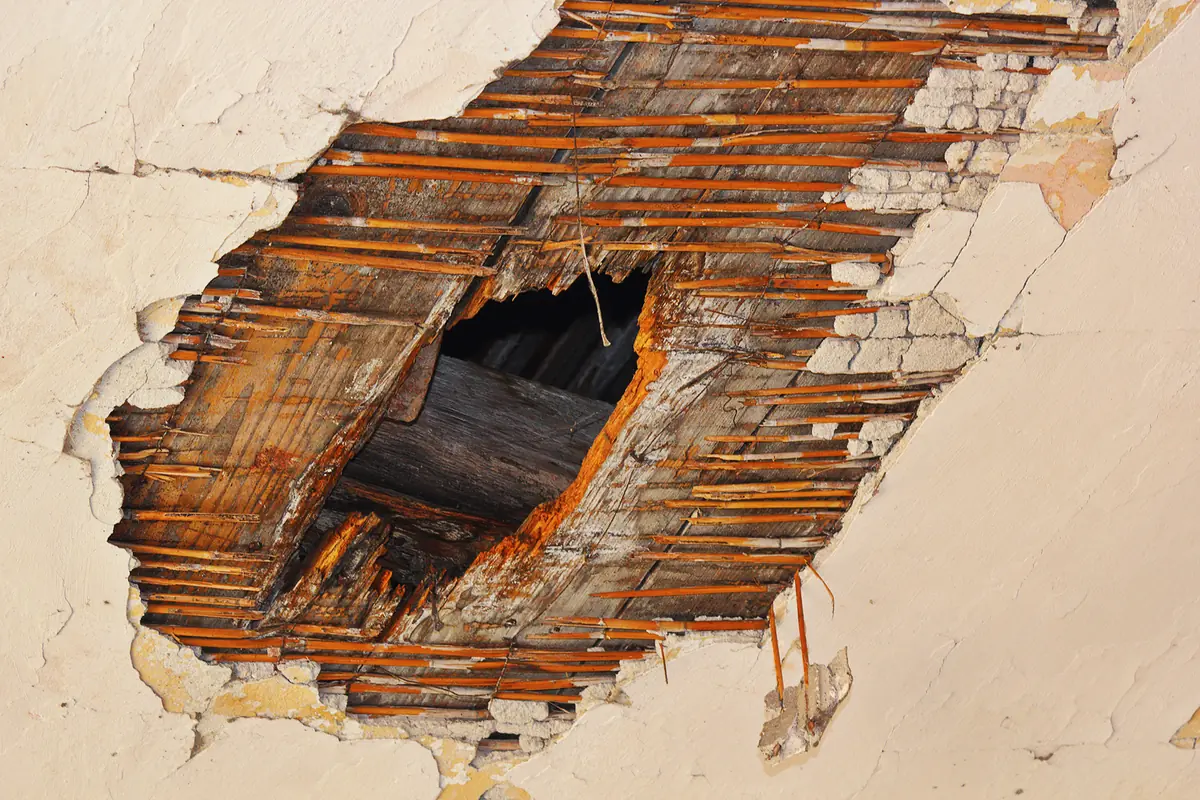
It is a two-part system:
- Laths are thin wooden strips fixed to the home's framework.
- Plaster is a creamy mix, usually of lime, water and sand. Some old recipes also added hair for extra strength.
What problems does lath and plaster have?
The three main concerns for buyers are loss of grip, age-related fragility and water damage.
- Loss of grip: the plaster's hold on the laths can weaken, which may cause it to sag or fall.
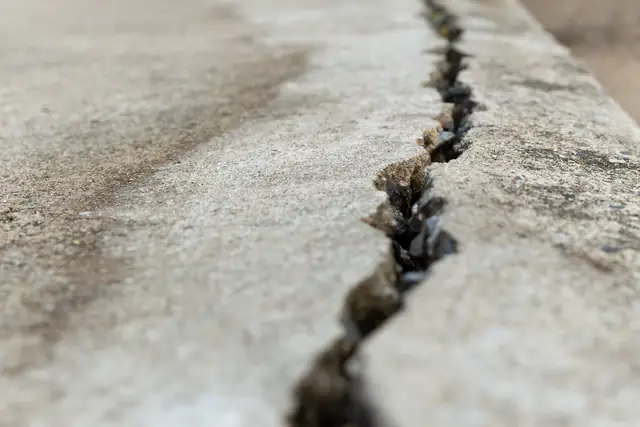
- Ageing: over decades, the plaster can become delicate and prone to cracks.
- Water: if water gets in, it can soften and damage the plaster.
What to look for when viewing
- Sagging ceilings or walls, which can indicate that the plaster's grip on the laths has weakened
- Cracking in older plaster
- Signs of water getting in, which can soften and damage the plaster
What to do next
- Establish whether the period property has lath and plaster walls or ceilings.
- Note any sagging, cracking or water staining.
- Have the property checked before buying.
What a survey can — and cannot — tell you
A building survey provides an informed assessment of the visible condition of a property. Inspections are non-intrusive and limited to areas that are accessible at the time of inspection.
In a period property, a survey helps identify where lath and plaster may be weakening, cracking or affected by water.
The surveyor can look at and record:
- Sagging in ceilings and walls
- Cracking to the plaster
- Signs of water getting in and damaging the plaster
However, there are limitations to what a survey can determine without intrusive investigation.
- The bond between the plaster and the laths behind it cannot be seen.
- The condition of the laths and framework concealed behind the plaster cannot be confirmed.
Where higher-risk indicators are identified, further specialist or intrusive investigation may be recommended.
Frequently asked questions
What is lath and plaster made of?
Thin wooden strips, called laths, fixed to the framework, covered with plaster usually made of lime, water and sand. Some old recipes added hair for strength.
When was lath and plaster used?
It has been used in England for centuries and was the top choice for walls and ceilings until more modern materials began to replace it by the mid-20th century.
Why do lath and plaster ceilings sag?
The plaster's grip on the laths can weaken, which may cause it to sag or fall.
Does water damage lath and plaster?
Yes. If water gets in, it can soften and damage the plaster.