
What are 1970s fibre cement roof tiles?
They are roof tiles made primarily from a mixture of cement and asbestos fibres, a popular roofing material in the 1970s. The cement gave strength, while the asbestos fibres added flexibility, resistance to cracking and fire resistance.
The use of asbestos has since been banned because of its health risks. In the UK, its use in construction materials has been banned since 1999, which makes these tiles a concern for owners and buyers today.
How long do fibre cement roof tiles last?
When first installed, these tiles were typically expected to last between 30 and 50 years, depending on the quality of installation and environmental conditions. Many original 1970s tiles are now reaching or have passed that expected lifespan, so their condition needs watching and professional inspection.
Factors that shorten or extend their life include:
- Climate: heavy rainfall, snow and extreme temperatures accelerate wear and tear.
- Maintenance: regular cleaning and minor repairs can significantly extend lifespan.
- Installation quality: poorly installed tiles are more susceptible to damage and may not last as long.
- Environmental exposure: pollutants, and salt in coastal areas, can degrade the tiles faster.
Buying a home with an older roof? Get a survey price for the home you are buying.
How do fibre cement tiles perform?
They are strong and withstand various environmental stresses, and they resist fire, rot and insect damage.
- Thermal insulation: moderate, but not as effective as modern insulation materials, so homes with these roofs may need additional insulation.
- Appearance: a distinctive look in a range of colours and textures. Some owners like the vintage look; others find it outdated.
- Weight: relatively light compared with traditional clay or concrete tiles, making them easier to install and reducing the structural load on the building.
What are the hazards and risks?
The most significant hazard is asbestos. When disturbed, asbestos fibres can become airborne and cause serious illness, including lung cancer, mesothelioma and asbestosis, so the tiles must be handled with care.
- Weathering and deterioration: cracks, chips and other damage develop over time, compromising the roof and potentially leading to leaks and water damage.
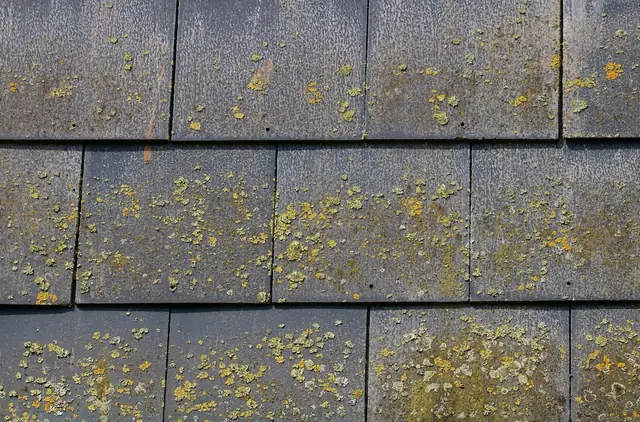
- Moss and algae: the tiles are susceptible to growth, especially in damp and shaded areas. This retains moisture, leading to further deterioration and potential structural issues.
- Brittleness: ageing tiles may become brittle and more prone to breaking under stress, a risk during maintenance and in severe weather such as hailstorms or high winds.
How is the condition of the tiles assessed?
Assessment starts with a visual inspection, carried out safely and preferably from the ground or by a professional, so the tiles are not disturbed. It can pick up obvious damage such as cracks, chips and moss growth.
Given the asbestos hazard, a professional surveyor is advisable to assess the condition, identify hidden issues and recommend repair or replacement. Where there is doubt about asbestos content, professional testing takes samples of the tiles for laboratory analysis to confirm the presence and concentration of asbestos fibres.
What to look for when viewing
- Cracked, chipped or missing tiles.
- Moss and algae growth, particularly on damp or shaded slopes.
- Signs of leaks or water damage inside, below the roof.
- Evidence of past repairs with sealants or patching materials.
How should the tiles be maintained and repaired?
Maintenance must avoid disturbing the asbestos fibres. In practice:
- Cleaning: a soft brush and mild detergent help prevent moss and algae. High-pressure washing should be avoided, as it can damage the tiles and release asbestos fibres.
- Minor repairs: small cracks and chips can be repaired with appropriate sealants and patching materials, handling the tiles carefully. Professional assistance is recommended for any repair involving asbestos-containing materials.
- Replacing damaged tiles: severely damaged or missing tiles may need replacing with compatible materials, following proper safety procedures, by roofing contractors experienced in handling asbestos-containing materials.
What are the rules and safety precautions for asbestos tiles?
Work on asbestos-containing materials such as these tiles is subject to regulations covering maintenance, repair and removal, and proper safety procedures should be followed.
- Personal protective equipment: respirators, gloves and protective clothing to minimise exposure.
- Containment: plastic sheeting and wetting agents to prevent the release of fibres during work.
- Disposal: asbestos waste must go to licensed facilities in accordance with local regulations.
What are the replacement options?
Modern fibre cement tiles are made without asbestos, offer improved performance and keep the appearance of the original roof. Alternatives are compared below.
| Material | Characteristics given |
|---|---|
| Modern fibre cement tiles | Asbestos-free, improved performance, similar appearance to the original |
| Clay tiles | Durable, with a classic appearance |
| Concrete tiles | Strong and long-lasting, in a range of styles and colours |
| Metal roofing | Lightweight, durable and energy-efficient |
What to do next
- Have the roof assessed by a professional surveyor, without disturbing the tiles.
- Arrange laboratory asbestos testing if there is doubt about the tiles' content.
- Obtain several quotations from reputable contractors, covering materials, labour, asbestos testing and removal.
- Weigh the benefits of replacement: removing asbestos reduces health risks for occupants and workers, modern materials offer better insulation, durability and weather resistance, and a new roof can improve the appearance of the property.
- Use contractors experienced in handling asbestos-containing materials for any repair or removal.
What a survey can — and cannot — tell you
A building survey provides an informed assessment of the visible condition of a property. Inspections are non-intrusive and limited to areas that are accessible at the time of inspection.
For a fibre cement roof, a surveyor can assess the condition of the tiles without disturbing them, identify issues and recommend repair or replacement.
- Visible cracks, chips, breakages and missing tiles.
- Moss and algae growth.
- Signs of leaks and water damage.
- Evidence of past repairs.
However, there are limitations to what a survey can determine without intrusive investigation.
- Whether the tiles contain asbestos, and in what concentration, which needs sampling and laboratory analysis.
- How brittle the tiles have become, as they are not handled or stressed.
- Hidden damage on slopes that cannot be seen safely.
Where higher-risk indicators are identified, further specialist or intrusive investigation may be recommended.
Frequently asked questions
Do 1970s fibre cement roof tiles contain asbestos?
They were primarily made from a mixture of cement and asbestos fibres. Where there is doubt, laboratory testing of samples confirms the presence and concentration of asbestos.
How long do fibre cement roof tiles last?
They were typically expected to last 30 to 50 years, depending on installation quality and environmental conditions, so many 1970s tiles are now at or past that lifespan.
Can asbestos roof tiles be pressure washed?
No. High-pressure washing can damage the tiles and release asbestos fibres; a soft brush and mild detergent should be used instead.
When was asbestos banned in UK building materials?
The use of asbestos in construction materials in the UK has been banned since 1999.
What can replace old fibre cement roof tiles?
Modern asbestos-free fibre cement tiles, clay tiles, concrete tiles or metal roofing.