
What are early 2000s properties like?
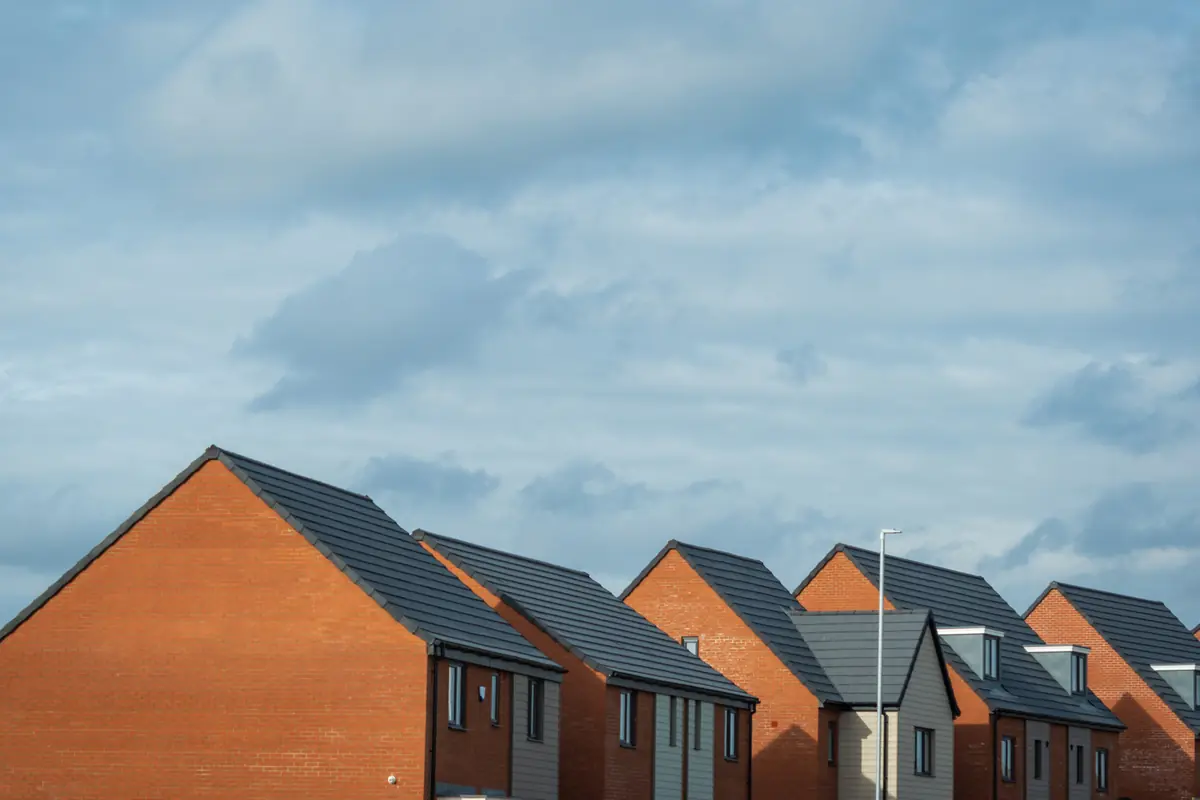
Early 2000s homes are typically modern in design, with open-plan living, large windows and better energy efficiency than older properties. The period saw a surge in new builds and the modernisation of existing properties across the UK housing market.
- Modern design and layout: open-plan living areas, large windows for natural light and integrated kitchen appliances. The emphasis on space and light makes them attractive to families and young professionals.
- Improved energy efficiency: generally better insulation, double-glazed windows and more efficient heating systems than older homes, which can make for a more comfortable home.
- Contemporary amenities: en-suite bathrooms, built-in wardrobes and modern kitchen fittings.
- Standardised construction: large-scale developments brought more standardised building methods.
Buying an older home? Get a survey price for the home you are buying.
What are the typical defects in early 2000s homes?
The most common defects are plumbing leaks, electrical faults, structural movement, poor insulation and roofing problems.
Plumbing issues
Problems range from minor leaks to faulty pipework. Damp patches on walls or ceilings can indicate an underlying plumbing problem.
Electrical problems
Electrical systems are generally more modern than in older homes but are not immune to issues. Common problems include faulty sockets and inadequate electrical capacity for modern appliances. A thorough electrical inspection helps identify potential hazards.
Structural defects
Structural defects can be a significant concern, particularly on large-scale developments where construction quality may have been compromised. Cracks in walls, uneven floors, and doors or windows that do not close properly can be signs of underlying structural issues.
Poor insulation
Despite overall improvements, some early 2000s homes still suffer from poor insulation, which leads to higher energy bills and a less comfortable home. Check the loft and wall insulation and consider upgrading if necessary.
Roofing problems
Look for missing or damaged tiles, signs of water ingress (water getting into the building) and problems with gutters and downpipes. A professional roof inspection can help identify problems.
What hazards should buyers of early 2000s homes consider?
The main hazards are asbestos, mould and damp, radon gas, fire safety and security.
| Hazard | What the risk is | What to do |
|---|---|---|
| Asbestos | Its use was banned in the UK in 1999, but older buildings that were renovated during this period may still contain it. It can pose serious health risks if disturbed. | Have a professional asbestos survey carried out if its presence is suspected. |
| Mould and damp | Most likely where ventilation is poor or there are plumbing issues. Mould can cause respiratory problems and other health issues. | Address any signs of dampness promptly. |
| Radon gas | A naturally occurring radioactive gas that can build up in homes, particularly in areas with high levels of granite or other specific geology. The risk is generally low. | Check radon levels in the area. |
| Fire safety | A critical consideration in any property. | Check for working smoke alarms, fire doors and adequate escape routes, and the fire safety standards of communal areas in a flat. |
| Security | An important factor to consider when buying. | Check the locks on doors and windows and consider extra measures such as an alarm system or CCTV. |
What to look for when viewing an early 2000s home
- Damp patches on walls or ceilings that could point to plumbing leaks.
- Faulty sockets, and whether the electrical capacity suits modern appliances.
- Cracks in walls, uneven floors, and doors or windows that do not close properly.
- Loft and wall insulation.
- Missing or damaged roof tiles, signs of water ingress, and the condition of gutters and downpipes.
- Signs of mould, especially in poorly ventilated rooms.
- Working smoke alarms, fire doors and escape routes.
- The quality of locks on doors and windows.
What to do next
- Define your requirements before starting the property search.
- Arrange a thorough electrical inspection.
- Consider a professional roof inspection where roof problems are suspected.
- Commission a professional asbestos survey if asbestos is suspected.
- Check radon levels for the area.
- For a flat, check the fire safety standards of the communal areas.
What a survey can — and cannot — tell you
A building survey provides an informed assessment of the visible condition of a property. Inspections are non-intrusive and limited to areas that are accessible at the time of inspection.
For an early 2000s home, a survey can pick up the visible signs of the typical defects described above and indicate where a specialist inspection is needed.
- Damp patches on walls and ceilings that may indicate plumbing leaks.
- Cracks, uneven floors and doors or windows that do not close properly.
- Visible loft insulation.
- Roof coverings, signs of water ingress, gutters and downpipes.
- Signs of mould and damp.
- Smoke alarms, fire doors and escape routes.
However, there are limitations to what a survey can determine without intrusive investigation.
- Concealed pipework and wiring need specialist inspection; a thorough electrical inspection is recommended to identify hazards.
- Asbestos can only be confirmed by a professional asbestos survey.
- Radon levels need to be checked separately for the area.
Where higher-risk indicators are identified, further specialist or intrusive investigation may be recommended.
Frequently asked questions
Are early 2000s houses well insulated?
Generally they have better insulation, double glazing and more efficient heating than older homes, but some still suffer from poor insulation.
Is asbestos a concern in early 2000s properties?
Asbestos use was banned in the UK in 1999, but older buildings that were renovated during this period may still contain it. Have a professional asbestos survey carried out if its presence is suspected.
Why can defects be widespread on early 2000s estates?
Large-scale developments used standardised construction methods, so a problem with the construction practices of the time can repeat across many homes.
What are the signs of structural problems in an early 2000s home?
Cracks in walls, uneven floors, and doors or windows that do not close properly can all be signs of underlying structural issues.
Is radon a risk in early 2000s homes?
Radon can build up in homes, particularly in areas with high levels of granite or certain geology. The risk is generally low, but it is worth checking levels in the area.