
What are undulations in block paving?
Undulations, often called dips or sinking points, are areas where the paving has lowered compared with its original level. They create noticeable uneven spots that affect both how the paving works and how it looks.
Undulations are common, but they can become harmful if left unchecked.
Seen cracks at a home you are buying? Get a survey price for the home you are buying.
What causes block paving to sink?
Block paving typically sinks because of poor installation, erosion, excessive load or root growth.
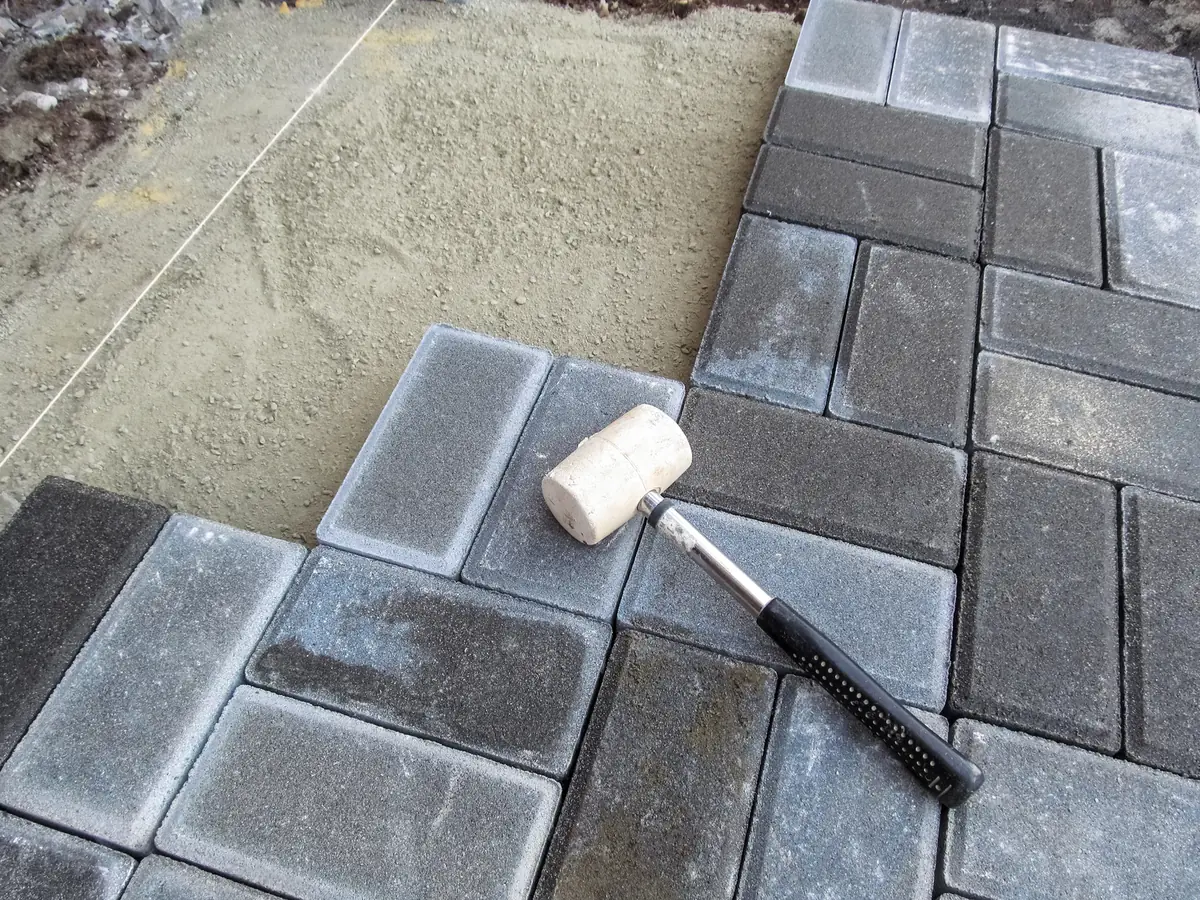
- Substandard installation: if necessary steps such as proper ground compaction and preparation were skipped, undulations are a likely outcome.
- Erosion: water flow, especially under the sand or foundation, can displace soil, and that movement forms undulations in the blocks.
- Increased load: paving subjected over time to a load higher than it can bear sinks under the pressure, forming low spots.
- Root growth: large roots from nearby trees or plants growing under the surface tend to push the paving up, creating an uneven surface.
How is undulating block paving repaired?
The affected blocks are lifted, the base beneath is checked and corrected, and the blocks are relaid and compacted. The repair needs attention to detail and knowledge of paving construction basics.
- Identify and remove. Identify and mark out the affected area, then carefully remove the undulating blocks with a screwdriver or suitable tool and set them aside.
- Assess the foundation. Inspect what lies beneath for visible problems such as root growth, debris or evidence of soil erosion, and remove any roots or debris.
- Re-compact. Add sand or base material as needed and compact it, so that it is level and solid enough to resist further sinking.
- Relay the blocks. Replace the blocks in their pattern, fill the joints with sand and compact again for stability.
Done correctly, these steps can restore the paving and help prevent future undulations. Correct maintenance of the paving and monitoring of the loads placed on it help avoid further sinking.
Should you repair block paving yourself?
It can look like a straightforward DIY task, but any miscalculation can make the situation worse. Consulting or hiring a professional block paving company is recommended, to reduce the risk of the sinking recurring.
What to look for when viewing
- Dips, sinking points or uneven spots in driveways and paths.
- Areas pushed up near trees or large plants.
- Low spots where heavy loads are placed on the paving.
- Signs of water flow or erosion around the paving.
What to do next
- Note where undulations are and whether they are dips or raised areas.
- Consider whether trees, water flow or heavy loads could be the cause.
- Obtain advice or a repair from a professional block paving company.
- After repair, maintain the paving and monitor the loads placed on it.
What a survey can — and cannot — tell you
A building survey provides an informed assessment of the visible condition of a property. Inspections are non-intrusive and limited to areas that are accessible at the time of inspection.
For block paving, a survey records visible undulations so that a buyer knows whether repairs are likely to be needed and can look into the cause before purchase.
- Visible dips, sinking points and uneven areas.
- Trees and plants close to paved areas.
- Visible signs of water flow affecting the paving.
However, there are limitations to what a survey can determine without intrusive investigation.
- The compaction and preparation of the ground beneath the blocks cannot be seen without lifting them.
- Erosion, debris or roots beneath the surface can only be confirmed once the blocks are removed.
Where higher-risk indicators are identified, further specialist or intrusive investigation may be recommended.
Frequently asked questions
Why does block paving sink?
Typical causes are substandard installation without proper compaction and preparation, erosion by water under the sand or foundation, and loads heavier than the paving can bear.
Can tree roots damage block paving?
Yes. Large roots growing under the surface tend to push the paving up, creating an uneven surface.
Can sunken block paving be fixed?
Yes. The blocks are lifted, the base is cleared of roots or debris, sand or base material is added and compacted, and the blocks are relaid with sanded joints and compacted again.
Is repairing block paving a DIY job?
Any miscalculation can make the situation worse, so consulting or hiring a professional block paving company is recommended.