

- Advice
- Cracks, subsidence & ground
Home buying advice
Cracks, subsidence and ground movement
Cracking, subsidence, soils, trees, drains and the ground around a home.
Buying a system-built home? See the non-traditional construction guides
- 16 guides
Cracks, subsidence and ground movement
 Cracks, subsidence & ground
Boundary and retaining walls: defects and maintenance
Masonry boundary and retaining walls should be inspected at least twice a year, ideally in spring and autumn, for cracks, bulging or leaning sections,...
7 min read
 Cracks, subsidence & ground
Buying a house with mature trees in the garden: what to check
Mature trees add beauty, shade and better air quality, but buyers should check for Tree Preservation Orders, understand that a tree owner can be liabl...
5 min read
 Cracks, subsidence & ground
Can ivy, trees and shrubs damage a house?
Yes. Ivy can widen cracks in brickwork and mortar, hold moisture against walls and harbour pests. Overhanging trees can contribute to foundation probl...
6 min read
 Cracks, subsidence & ground
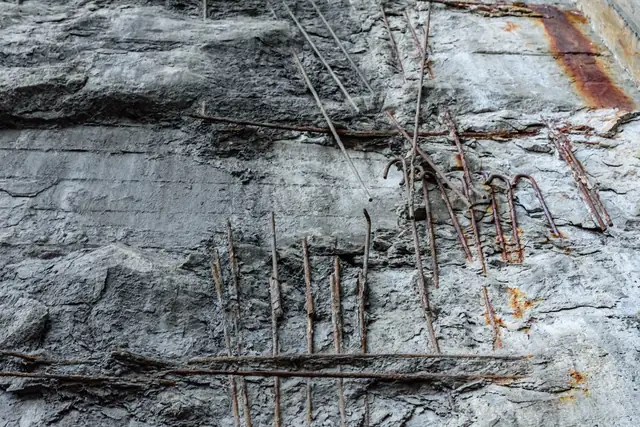
Concrete cancer: causes, signs and repair
Concrete cancer happens when the steel reinforcement inside concrete corrodes and expands, cracking and flaking the surrounding concrete. It is caused...
5 min read
 Cracks, subsidence & ground
Cracks around bay windows: causes and when to worry
Cracks around bay windows often reflect localised movement or inadequate support to the bay. Hairline cracks in plaster are usually minor thermal move...
5 min read
 Cracks, subsidence & ground
Cracks in house walls: when should you worry?
Most cracks in a house are cosmetic: shrinkage, thermal movement or long-finished settlement. Investigate stepped cracking in brickwork, cracks wider...
11 min read
 Cracks, subsidence & ground
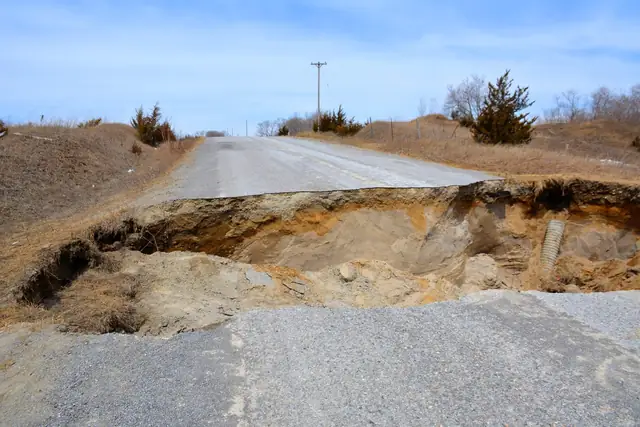
Ground cavities in a Groundsure report: should you worry?
Ground cavities are hollow spaces in the ground, caused naturally by weathering, erosion or dissolving rock, or by human activity such as mining and t...
4 min read
 Cracks, subsidence & ground
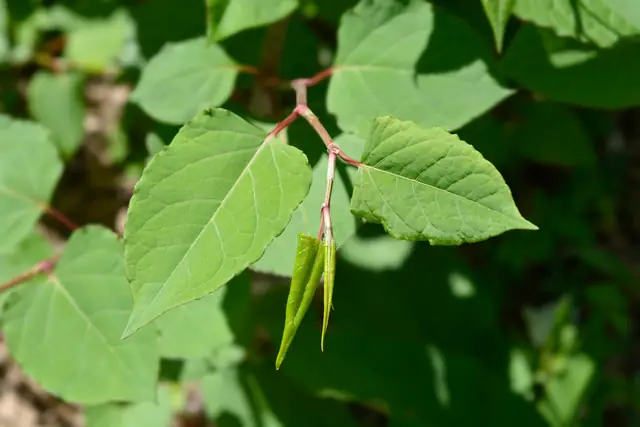
Japanese knotweed: identification, risks and the law
Japanese knotweed is an invasive perennial plant that spreads from small fragments of its underground rhizomes. Its rhizomes can grow through cracks i...
7 min read
 Cracks, subsidence & ground
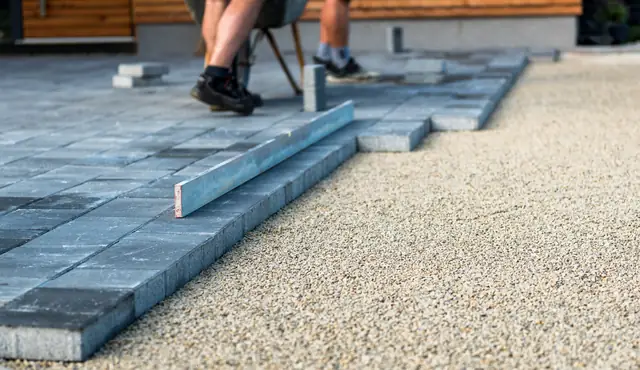
Patios and paving: materials, installation and common faults
A durable patio depends on the right paving material, a properly excavated and compacted base, and a slight slope away from the house so water drains...
7 min read
 Cracks, subsidence & ground
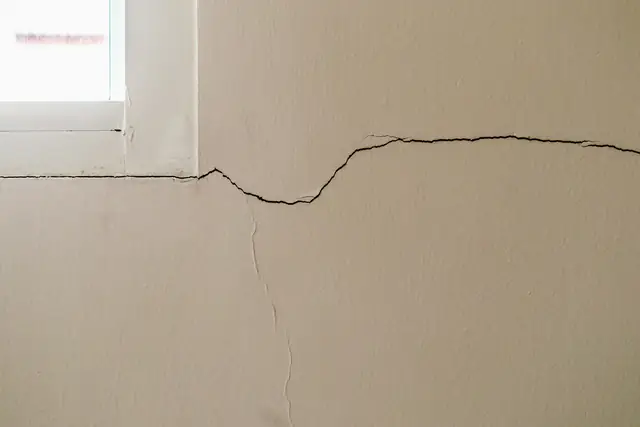
Signs of subsidence in a house: what to look for
The main signs of subsidence are new or widening cracks, often diagonal and wider at the top, especially around doors, windows and where an extension...
5 min read
 Cracks, subsidence & ground
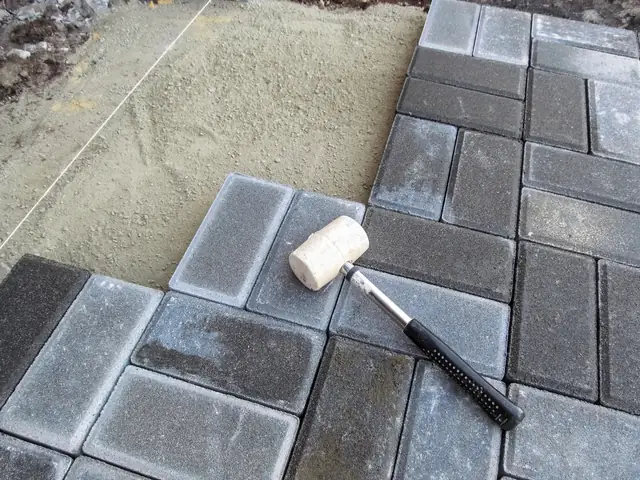
Sinking block paving: causes of undulations and how to repair
Undulations in block paving are dips or sinking points where the paving has dropped below its original level. They are typically caused by substandard...
4 min read
Cracks, subsidence & ground
Sloping floors in older houses: causes, risks and repairs
Sloping floors in older houses are not always a sign of serious structural problems. Minor slopes often come from gradual settlement over decades or f...
5 min read
 Cracks, subsidence & ground
Soil types, foundations and subsidence risk in the UK
Subsidence risk depends mainly on the soil beneath a building and the type of foundation it stands on. Clay soils shrink and swell with moisture, and...
7 min read
 Cracks, subsidence & ground
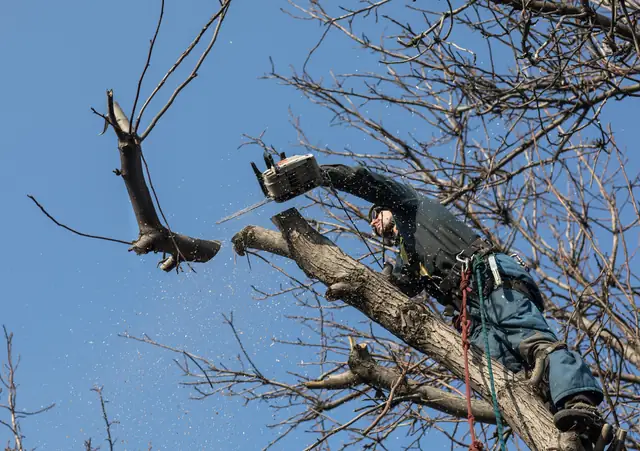
Tree removal in the UK: when do you need permission?
Permission is needed before felling or pruning a tree protected by a Tree Preservation Order, and the council must be notified before work on trees ov...
7 min read
 Cracks, subsidence & ground
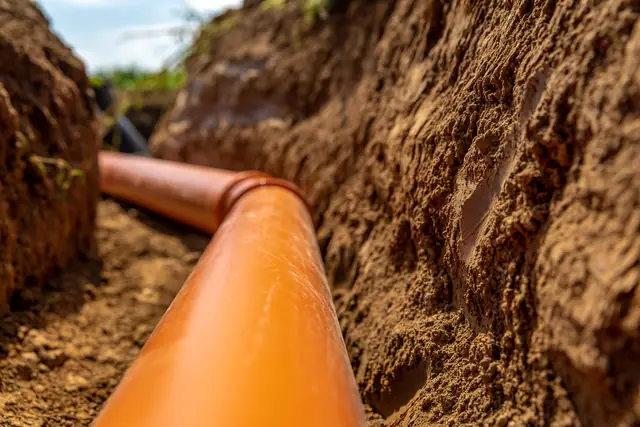
Underground drainage systems: types, problems and CCTV surveys
An underground drainage system directs water away from buildings, roads and other infrastructure, preventing flooding, soil erosion and foundation dam...
5 min read
 Cracks, subsidence & ground
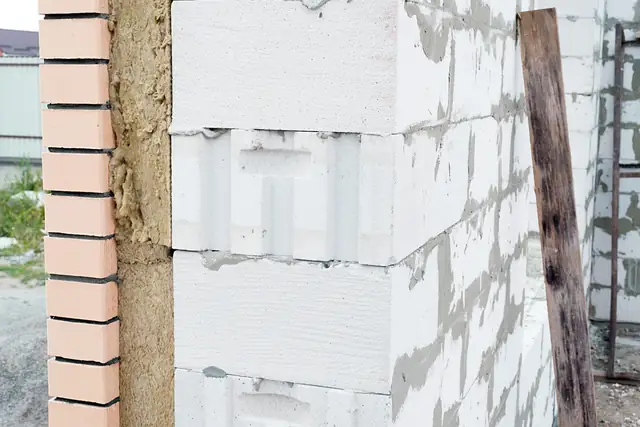
Wall tie corrosion: signs, risks and what buyers should know
Wall tie corrosion is a serious structural defect if ignored, and routine, well-established work to put right when caught early. The risk group is cav...
10 min read
No guide matches that search.
Try a single word, such as “damp” or “roof”, or browse the topics above.
Seen cracks at a home you are buying?
Know what you are buying, before you commit.
A Flettons surveyor inspects the home, rates the condition of each part, records what could and could not be seen, and sets out clear next steps by trade and timing.
Level 3 Building Survey From £595
- RICS-regulated firm of surveyors
- Condition ratings for every part of the home
- Plain-English advice on what to do next