

- Advice
- Homes by age
Home buying advice
Buying a home by its age
What to expect from Georgian, Victorian and Edwardian homes through to homes built in the 2000s.
Buying a system-built home? See the non-traditional construction guides
- 12 guides
Buying a home by its age
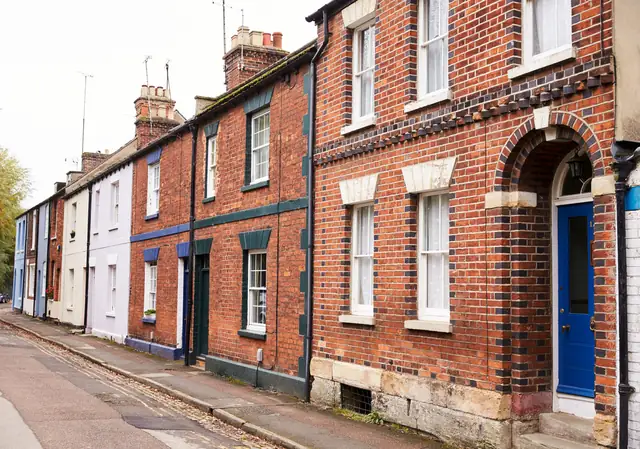 Homes by age
10 common defects in period properties and how to spot them
Period properties, typically built before the 1940s, commonly suffer from ten groups of defects: damp and moisture, structural movement, timber decay,...
8 min read
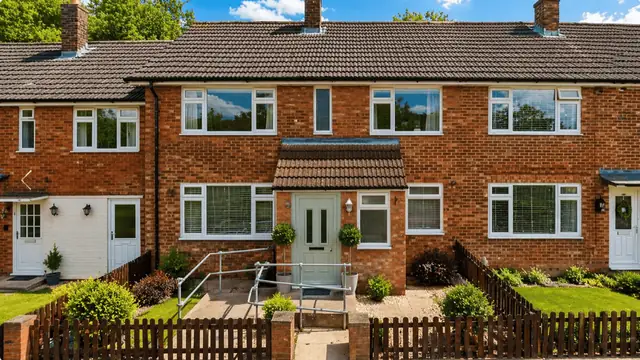 Homes by age
Buying a 1950s house: typical defects and what to check
1950s houses in the UK are typically simple post-war homes with brick or rendered walls, large metal-framed windows and low-pitched tiled roofs. The m...
6 min read
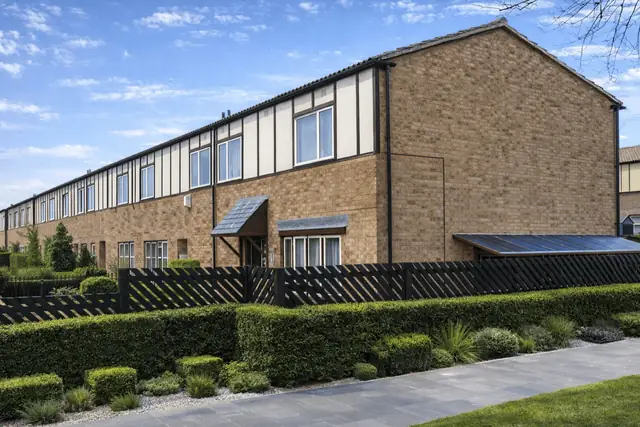 Homes by age
Buying a 1970s house: typical defects, hazards and construction
A 1970s house is usually of brick cavity wall construction with concrete lintels and floor slabs, timber roofs and plasterboard linings. The main issu...
7 min read
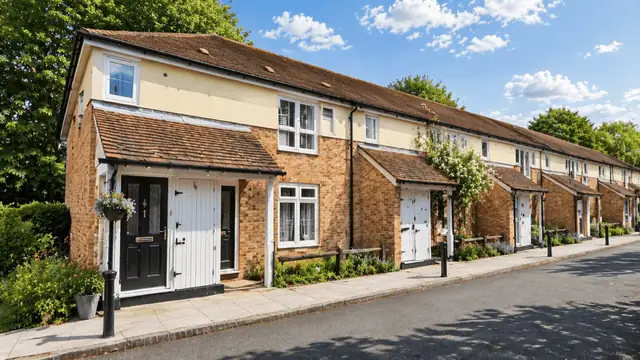 Homes by age
Buying a 1980s house: typical defects and what to check
1980s houses are usually of traditional cavity brick construction with pitched, concrete-tiled roofs, and are generally acceptable to mainstream lende...
5 min read
 Homes by age
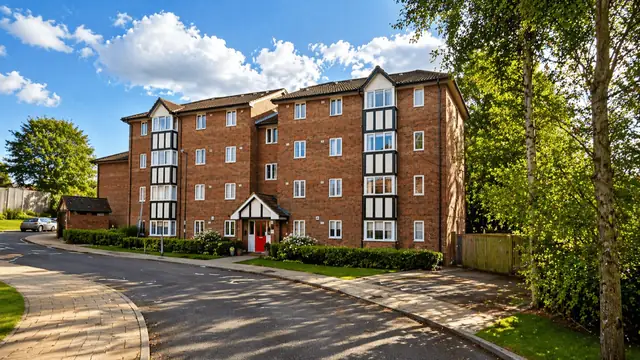
Buying a 1990s house: typical defects and what to check
1990s properties are often more modern in layout and services than older homes, with double glazing, central heating and better insulation. Age-relate...
6 min read
 Homes by age
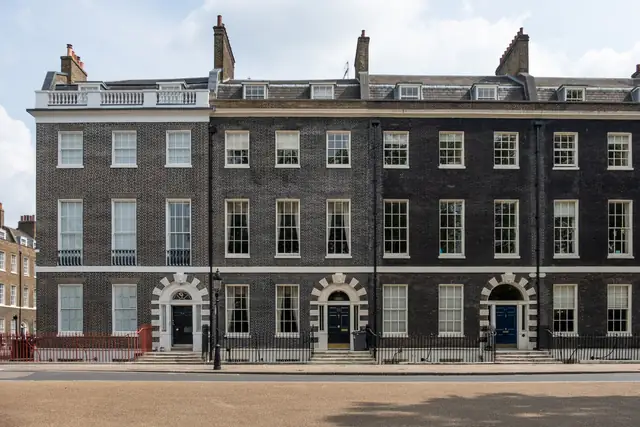
Buying a Georgian house: features, defects and hazards
Georgian properties were built between 1714 and 1830 and are known for symmetrical fronts, sash windows and high ceilings. Common defects include subs...
5 min read
 Homes by age
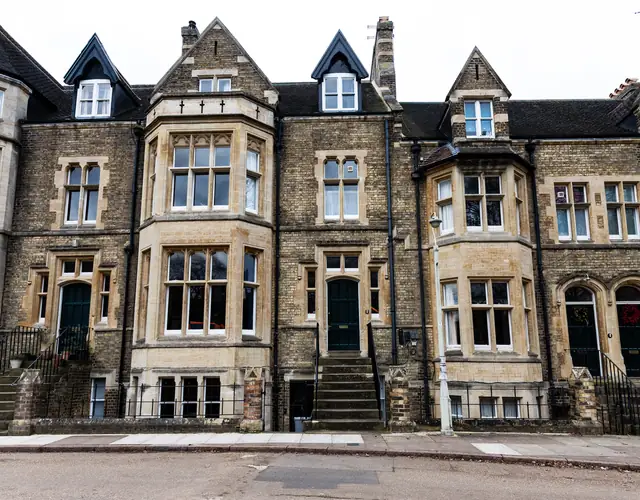
Buying a Victorian house: characteristics, defects and hazards
Victorian houses, built between 1837 and 1901, typically have solid brick walls, slate roofs, sash windows and high ceilings. Their age makes them pro...
5 min read
 Homes by age
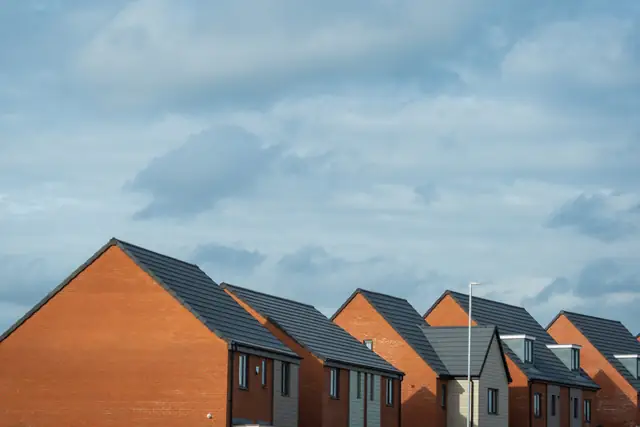
Buying an early 2000s house: common defects and hazards
Early 2000s homes usually have open-plan layouts, double glazing and better insulation than older houses, but they have their own typical defects. Com...
6 min read
 Homes by age
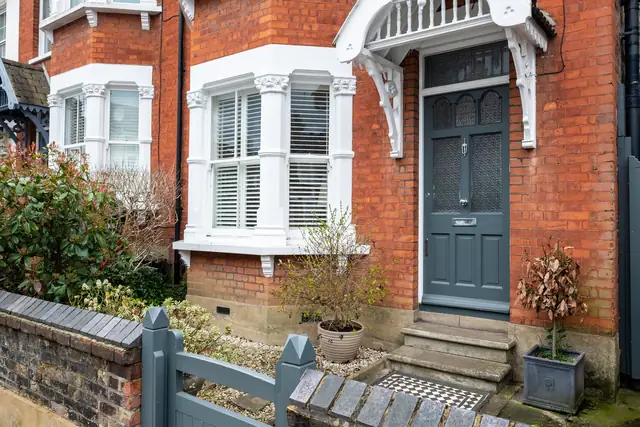
Buying an Edwardian house: features, defects and hazards
Edwardian homes, named after the reign of King Edward VII (1901 to 1910), are prized for red brick, bay windows, high ceilings and separate rooms, but...
5 min read
 Homes by age
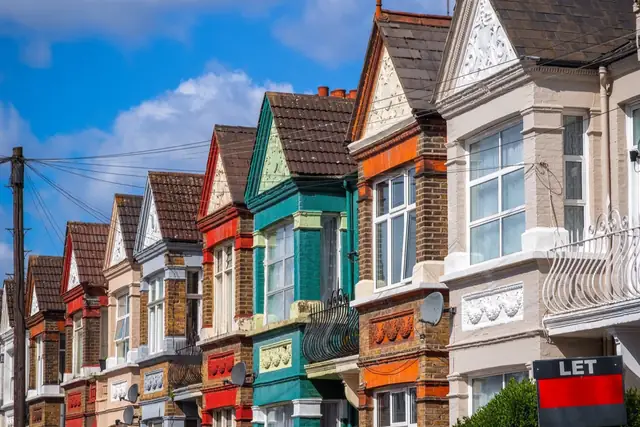
Buying an Edwardian maisonette: defects and maintenance
An Edwardian maisonette is over a century old and was not built to modern construction norms. Often built of clay brick such as London Stocks, commonl...
5 min read
 Homes by age
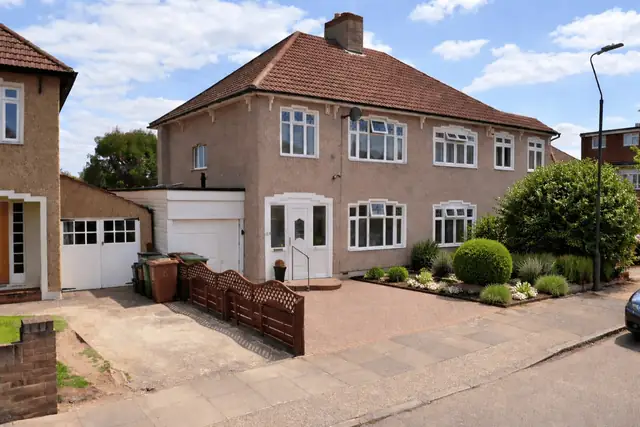
Feakes and Richardson houses: types, construction and defects
Feakes & Richardson houses are inter-war homes built mainly between the late 1920s and late 1930s across South East London and Kent. They come in reco...
5 min read
 Homes by age
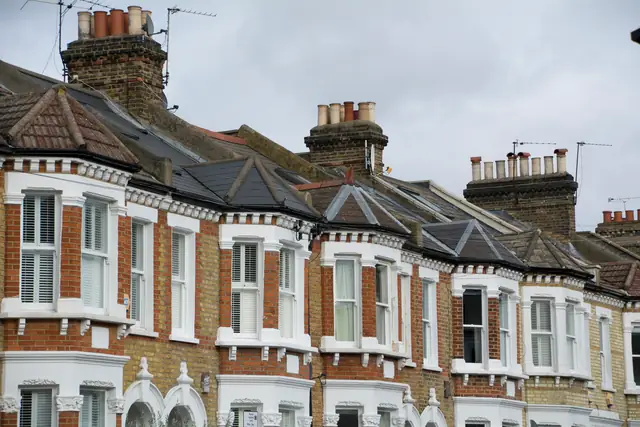
Georgian, Victorian and Edwardian houses: key differences
Georgian houses (1714 to 1830) are symmetrical and proportioned, with central front doors and large sash windows. Victorian houses (1837 to 1901) are...
5 min read
No guide matches that search.
Try a single word, such as “damp” or “roof”, or browse the topics above.
Buying an older home?
Know what you are buying, before you commit.
A Flettons surveyor inspects the home, rates the condition of each part, records what could and could not be seen, and sets out clear next steps by trade and timing.
Level 3 Building Survey From £595
- RICS-regulated firm of surveyors
- Condition ratings for every part of the home
- Plain-English advice on what to do next