
What are the typical features of an Edwardian house?
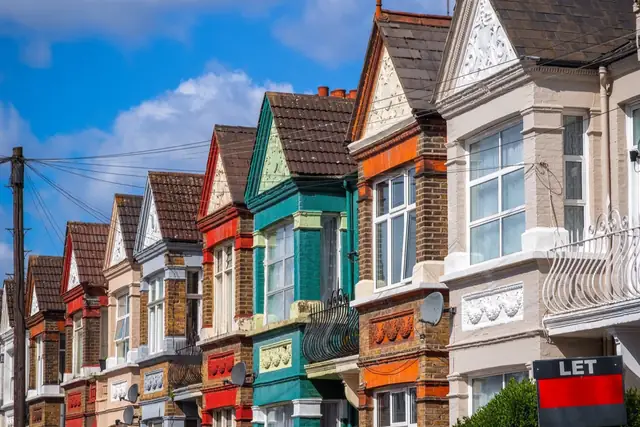
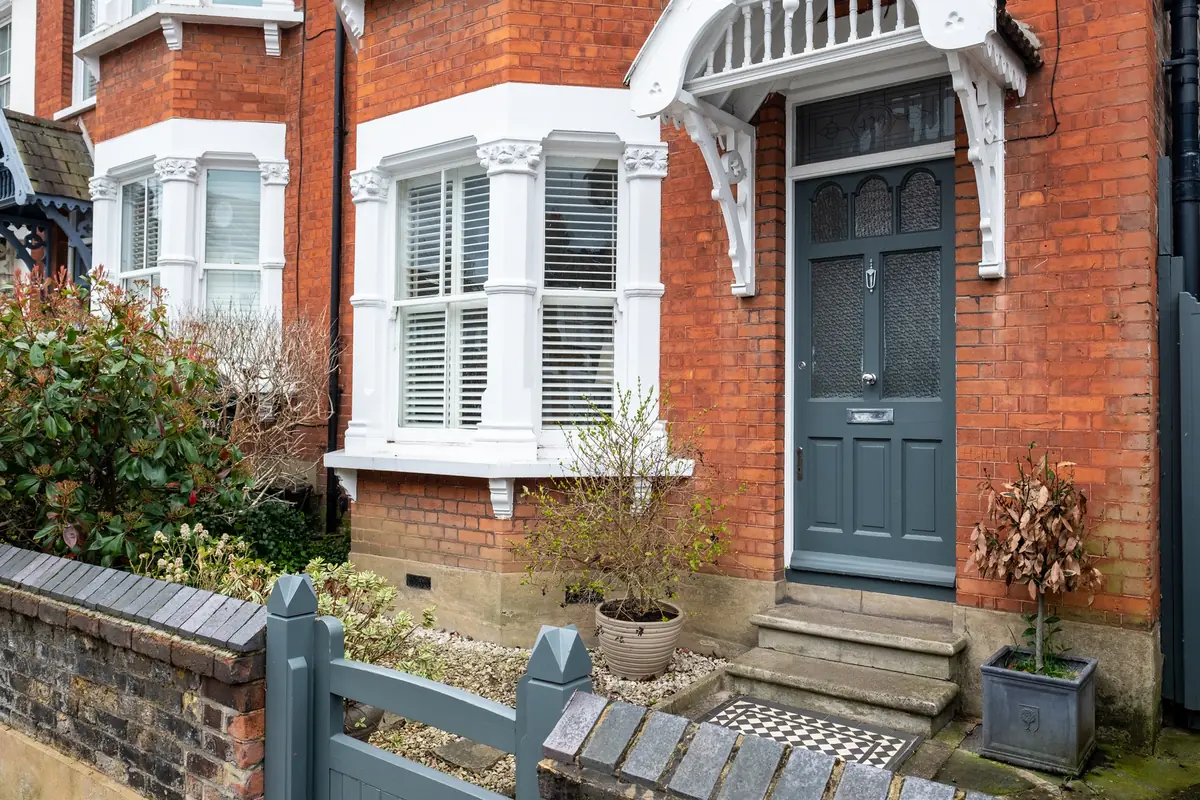
Edwardian homes typically have red brick fronts, large bay windows, decorative woodwork and plasterwork, and larger rooms with higher ceilings than Victorian houses. They take their name from the reign of King Edward VII (1901 to 1910) and are sought after for their charm, character and historical significance.
Architectural style
- Red brick façades: often combined with white-painted woodwork.
- Bay windows: large bays that let in plenty of natural light.
- Decorative features: intricate woodwork, stained glass windows and decorative plasterwork.
- Spacious interiors: larger rooms and higher ceilings than their Victorian predecessors.
- Front gardens: Edwardian homes often have front gardens.
Interior layout
The layout reflects the social changes of the early 20th century. Wide hallways and corridors are common, rooms are usually separate (such as distinct dining and living rooms) rather than open-plan, and many rooms have original fireplaces with decorative tiles and wooden mantels.
Materials and construction
Edwardian homes were built with materials and techniques that were advanced for their time.
- Slate roofs: slate was popular for its durability and appearance.
- Sash windows: traditional sash windows are common, although they may need maintenance and repair.
Buying an older home? Get a survey price for the home you are buying.
What causes damp in Edwardian houses?
Damp in Edwardian homes usually comes from rising damp, penetrating damp or condensation. Damp is a prevalent issue in older properties.
| Type of damp | Cause | Signs |
|---|---|---|
| Rising damp | Moisture from the ground rising up through the walls | Peeling wallpaper, damp patches, a musty smell |
| Penetrating damp | Water entering through external walls, often due to damaged brickwork or faulty gutters | Damp entering from outside walls |
| Condensation | Poor ventilation, particularly in bathrooms and kitchens | Mould growth and water droplets on windows |
What structural problems affect Edwardian properties?
The main structural concerns are subsidence, wood rot and roofing defects.
- Subsidence: the ground beneath the property shifts, causing the building to move. Signs include cracks in walls, uneven floors and doors that no longer fit properly.
- Wood rot: timber is susceptible to rot, particularly where exposed to moisture. Check for soft, crumbly wood and signs of fungal growth.
- Roofing problems: slate roofs can suffer from slipped or broken slates, leading to leaks and water damage. Check for missing or damaged slates and look in the attic for signs of water ingress.
Do Edwardian houses need rewiring and new plumbing?
The electrical and plumbing systems in Edwardian homes may be outdated and need upgrading.
- Old wiring: original wiring may not meet modern safety standards. Look for outdated fuse boxes, exposed wiring and too few power outlets.
- Lead pipes: some Edwardian properties still have lead plumbing, which can pose health risks. Check for lead pipes and consider replacing them with modern materials.
- Inefficient heating: original heating, such as coal fireplaces, may be inefficient and costly to run. Consider upgrading to modern central heating.
Is there asbestos in Edwardian houses?
Asbestos may be present, as it was used in building materials during the 20th century. It is generally safe if undisturbed but can pose serious health risks if damaged or disturbed.
What to look for when viewing an Edwardian house
- Peeling wallpaper, damp patches and a musty smell.
- Damaged brickwork and faulty gutters.
- Mould and water droplets on windows in bathrooms and kitchens.
- Cracks in walls, uneven floors and doors that no longer fit.
- Soft, crumbly timber and signs of fungal growth.
- Missing, slipped or broken slates, and water stains in the attic.
- Sash windows in need of repair.
- Outdated fuse boxes, exposed wiring and few power outlets.
- Lead pipes.
What to do next
- Note any signs of damp and identify whether they point to rising damp, penetrating damp or condensation.
- Check the roof for missing or damaged slates and the attic for water ingress.
- Check the wiring and fuse box, and plan for upgrading if they are outdated.
- Check for lead pipes and consider replacing them.
- Consider the cost of upgrading inefficient heating.
- Avoid disturbing materials that may contain asbestos.
What a survey can — and cannot — tell you
A building survey provides an informed assessment of the visible condition of a property. Inspections are non-intrusive and limited to areas that are accessible at the time of inspection.
For an Edwardian home, a survey can record the visible signs of the age-related defects described above, so a buyer understands what may need repair or upgrading.
- Signs of rising damp, penetrating damp and condensation.
- Cracking, uneven floors and ill-fitting doors that may indicate subsidence.
- Visible timber decay and fungal growth.
- The slate roof covering and visible signs of water ingress in the attic.
- The condition of sash windows, brickwork and gutters.
- Visible fuse boxes, wiring and pipework.
However, there are limitations to what a survey can determine without intrusive investigation.
- Concealed timbers and hidden wiring or pipework cannot be fully inspected.
- Whether a material contains asbestos cannot be confirmed by sight.
Where higher-risk indicators are identified, further specialist or intrusive investigation may be recommended.
Frequently asked questions
Why are they called Edwardian houses?
They take their name from the reign of King Edward VII, from 1901 to 1910.
How can you tell an Edwardian house from a Victorian one?
Edwardian homes typically have larger rooms and higher ceilings than their Victorian predecessors, and often have front gardens.
Do Edwardian houses have lead pipes?
Some still do. Lead plumbing can pose health risks, so check for it and consider replacement with modern materials.
What roof problems do Edwardian houses have?
Slate roofs can suffer from slipped or broken slates, which lead to leaks and water damage.
Is asbestos dangerous in an Edwardian house?
It is generally safe if undisturbed but can pose serious health risks if damaged or disturbed. It may be found in roofing and pipe insulation.