

What is an Edwardian maisonette like?
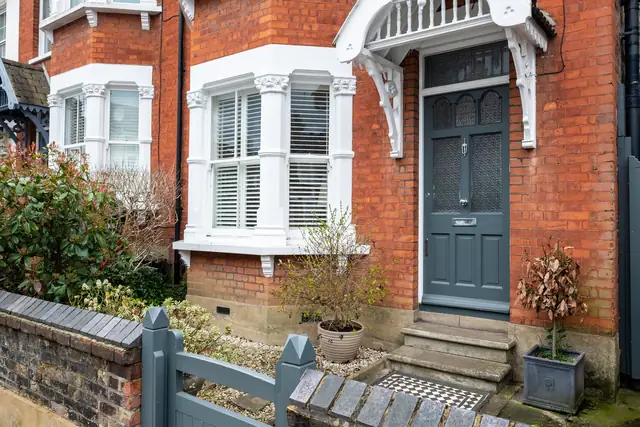
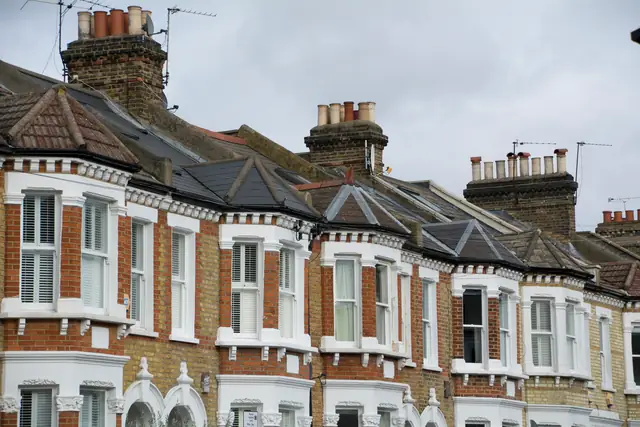
An Edwardian maisonette typically has larger rooms, bay windows and a detailed frontage. The Edwardian era began in 1901, and its architecture favoured spacious homes with ornate details and an emphasis on natural light.
How were Edwardian maisonettes built?
- Bricks: often clay bricks, such as those known as London Stocks.
- Bond: commonly laid in Flemish bond, which gives many of these properties their distinct look.
- Mortar: bedded in lime mortar, a traditional construction method.
Buying an older home? Get a survey price for the home you are buying.
What should a buyer expect from an Edwardian maisonette?
A buyer should expect a building over a century old that does not follow modern construction norms and has been through a range of past problems.
- Age: these properties are over 100 years old and do not meet modern construction norms.
- Past problems: examples include Second World War bomb damage, concealed woodworm infestations and differential foundation movement.
- Repair and decoration: time, effort and money will be needed to restore and maintain the property, from simple redecoration to more extensive repairs highlighted in survey reports.
What defects are common in Edwardian maisonettes?
The main risks are subsidence from shallow foundations, deterioration of old drains, damage to gutters, cracking and hidden rot.
Shallow foundations and subsidence
Shallow foundations can lead to subsidence if the soil around them is not managed carefully. Planting of water-intensive trees near the maisonette should be restricted.
Gutters and drainage
Gutters and drainage systems are susceptible to damage from tree roots and frost.
Cracking
Minor plaster cracks caused by thermal movement are expected. Multiple significant cracks appearing in quick succession may need professional attention.
Hidden defects
Given the building's age, there may be concealed problems such as rot in floor joists. Periodic invasive inspections can help find and put these right early.
Is an Edwardian maisonette harder to insure?
It can be. Older properties often present challenges for insurers because, although their construction has stood the test of time, the materials and techniques used can pose risks. Insurers may set higher premiums or specific maintenance requirements.
Regular upkeep helps keep the property insurable and extends its life. Dealing with minor issues promptly can prevent more significant and costly problems later.
Should a buyer get an asbestos survey?
Yes. Asbestos may be present in older properties, and commissioning an asbestos survey before finalising the purchase is advisable. A building surveyor will look for potential asbestos-containing materials, but a dedicated asbestos survey gives a clear picture.
What to look for when viewing
- Large or water-intensive trees close to the building.
- Damaged gutters or signs of problems with the drainage.
- Several significant cracks, as opposed to minor plaster cracks.
- Signs of woodworm or rot in accessible timbers.
What to do next
- Commission an asbestos survey before finalising the purchase.
- Arrange a CCTV drainage survey, particularly where the drains are salt-glazed clay.
- Check insurance terms early, including any premium loading or maintenance requirements.
- After purchase, check gutters and drains regularly, manage planting near the building and deal with minor issues promptly.
- Consider periodic invasive inspections to find hidden defects such as rot in floor joists.
What a survey can — and cannot — tell you
A building survey provides an informed assessment of the visible condition of a property. Inspections are non-intrusive and limited to areas that are accessible at the time of inspection.
For an Edwardian maisonette, a survey report highlights the redecoration and repairs the property is likely to need, so a buyer can set realistic expectations before committing.
- Visible cracking, and whether it looks like minor thermal movement or something more significant.
- Trees and planting close to the building.
- The visible condition of gutters and accessible drainage.
- Visible signs of woodworm or rot in accessible timbers.
- Materials that may contain asbestos.
However, there are limitations to what a survey can determine without intrusive investigation.
- Rot in floor joists and concealed woodworm may only be found by invasive inspection.
- The condition of underground drains needs a CCTV survey.
- Asbestos can only be confirmed by a dedicated asbestos survey.
Where higher-risk indicators are identified, further specialist or intrusive investigation may be recommended.
Frequently asked questions
What bricks were used in Edwardian maisonettes?
Often clay bricks such as London Stocks, commonly laid in Flemish bond with lime mortar.
Do Edwardian maisonettes suffer from subsidence?
Shallow foundations can lead to subsidence if the soil is not managed carefully, so planting of water-intensive trees nearby should be restricted.
Are cracks in an Edwardian maisonette a concern?
Minor plaster cracks from thermal movement are expected. Multiple significant cracks appearing in quick succession may need professional attention.
Why survey the drains of an Edwardian property?
The drains are often salt-glazed clay pipes, which are prone to deterioration, and regular CCTV surveys allow problems to be found early.
Does an Edwardian maisonette cost more to insure?
Insurers may set higher premiums or specific maintenance requirements because the materials and techniques used can pose risks.