
What are the three main types of property ownership?
The three primary forms of property ownership discussed here are freehold, leasehold and share of freehold. Each comes with its own set of rights, responsibilities and potential pitfalls.
The type of ownership can significantly affect a buyer's ownership rights, the ongoing costs and how easy the property is to sell later.
| Type | What is owned | Ground rent | Who maintains |
|---|---|---|---|
| Freehold | The property and the land it stands on, outright and for an indefinite period | None | The owner, for all maintenance and repairs |
| Leasehold | The property, but not the land, for the period set in the lease | May be payable to the freeholder | Often the freeholder, with costs shared among leaseholders |
| Share of freehold | A lease of the flat plus a share of the freehold, held collectively with the other leaseholders | Depends on the lease terms | The leaseholders collectively |
What is freehold ownership?
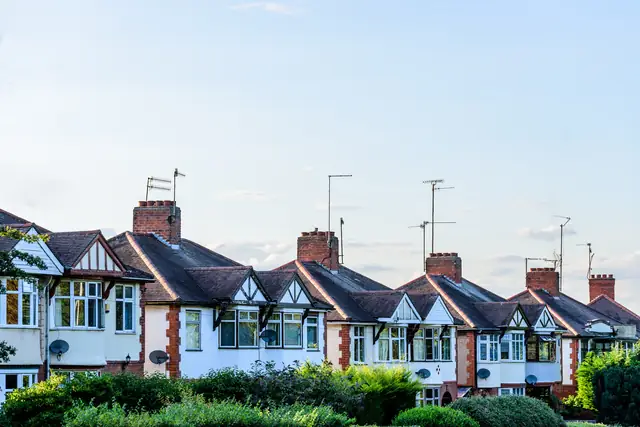
Freehold ownership means owning the property and the land it stands on outright, for an indefinite period. It is the most straightforward form of ownership and is often preferred by buyers for its simplicity and control.
Advantages of freehold
- Full control: a freeholder can make alterations, extensions, renovations and improvements without needing permission from a landlord, subject to planning laws and covenants.
- No ground rent: there is no ground rent, and usually no service charge or management fee of the kind typical of leasehold properties.
- Long-term security: there is no lease to expire, which can appeal to those looking to settle down for the long term.
- Easier to sell: freehold properties are often more attractive to buyers who wish to avoid the uncertainties and potential additional costs of a leasehold.
Disadvantages of freehold
- Higher initial cost: freehold properties tend to be more expensive to buy than leasehold properties.
- Maintenance responsibility: the freeholder is responsible for all maintenance and repairs, which can be costly and time-consuming.
- Limited availability: in some areas, particularly in cities, freehold properties can be harder to find, as many properties are sold as leasehold.
Questions about the home you are buying? Get a survey price for the home you are buying.
What is leasehold ownership?
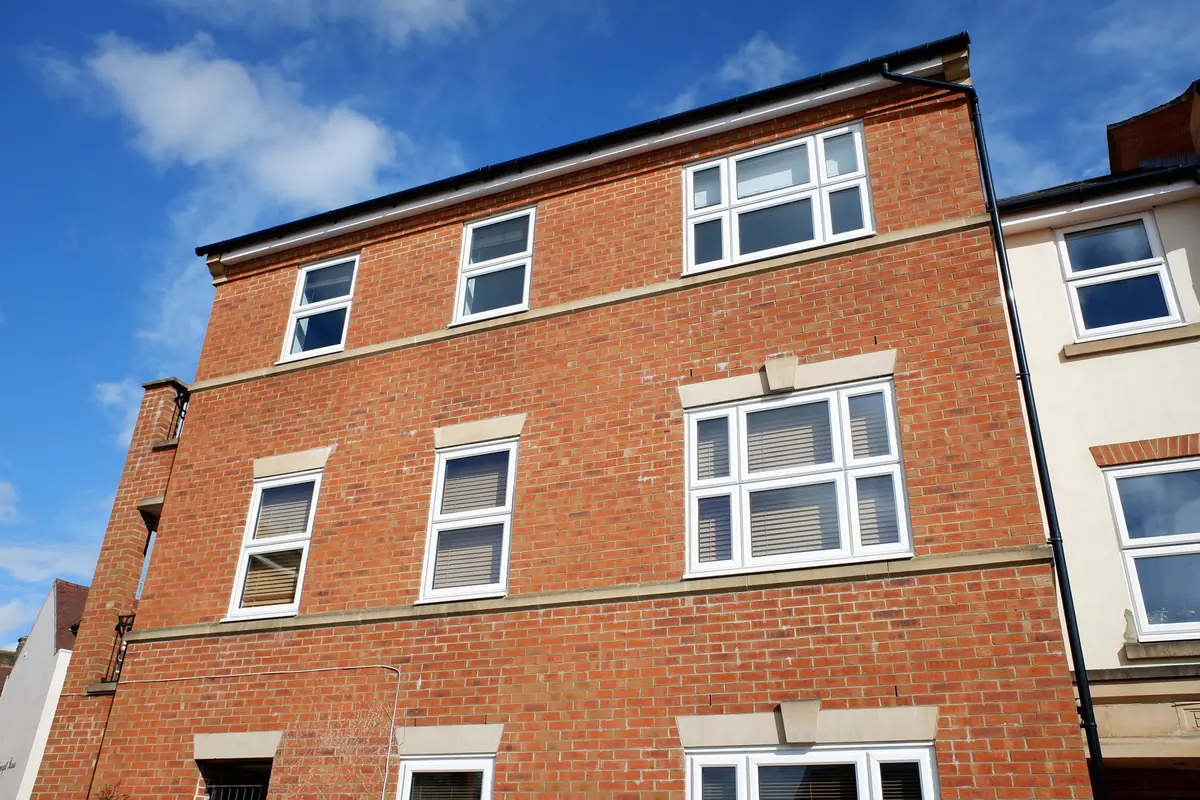
Leasehold ownership means owning the property for a set period, as specified in the lease agreement, but not the land it stands on. The land is owned by a freeholder, also known as the landlord.
A leaseholder may pay ground rent to the freeholder, and the lease sets the conditions of occupancy. These can include responsibility for maintenance of common areas and limitations on alterations.
Advantages of leasehold
- Lower initial cost: leasehold properties are often cheaper to buy than freehold properties, which can make them more accessible for first-time buyers.
- Shared maintenance costs: in many leasehold arrangements the freeholder is responsible for maintaining the building and communal areas, with the costs shared among leaseholders, reducing the individual financial burden.
- Managed services and amenities: many leasehold properties, especially flats, come with services such as cleaning, security and communal area maintenance, and some have shared amenities such as gardens, gyms and concierge services.
Disadvantages of leasehold
- Lease expiry: leases are time-limited. As the term shortens, the property can become harder to sell and less valuable unless the lease is extended, and extending a lease can be expensive and complicated.
- Ground rent and service charges: leaseholders may pay ground rent and service charges to the freeholder, and these can increase over time. Some leases carry escalating ground rents or charges for changing internal layouts.
- Limited control: leaseholders often need permission from the freeholder for significant alterations.
- Potential for disputes: disputes can arise between leaseholders and freeholders over maintenance, service charges and lease extensions.
Why lease length matters
A short lease can significantly affect the property's value and the ability to sell it in future. Properties with short leases can be hard to sell or to secure a mortgage on, and banks and buyers tend to prefer leases with over 80 years remaining.
Buyers should aim for a lease with at least 80 years remaining and be prepared to negotiate a lease extension if necessary.
What is share of freehold?
Share of freehold is a hybrid form of ownership in which the leaseholders collectively own the freehold of the building. It is common in blocks of flats, where the leaseholders form a company to purchase the freehold.
Advantages of share of freehold
- Greater control: leaseholders have more control over the management and maintenance of the building and communal areas.
- Easier lease extensions: extending the lease is usually simpler and cheaper, as the leaseholders are also the freeholders.
- Potential for better management: with a vested interest in the property, leaseholders may be more motivated to maintain and improve the building.
Disadvantages of share of freehold
- Collective responsibility: all leaseholders share responsibility for the property, which can lead to disputes and complications.
- Management challenges: managing a building collectively requires cooperation and coordination, and can be complex and time-consuming, particularly where leaseholders disagree on maintenance and improvements.
- Initial cost: purchasing a share of the freehold can be expensive, as it involves buying out the existing freeholder, especially if the freehold is acquired after the initial property purchase.
How do you choose between freehold, leasehold and share of freehold?
The right choice depends on budget, long-term plans, how much maintenance and management responsibility a buyer is willing to take on, and personal preference.
- Budget: freehold properties tend to be more expensive and leasehold properties more affordable, but any ground rent and service charges must be counted as ongoing costs of a leasehold.
- Long-term plans: for a stay of many years, freehold or share of freehold may offer greater security and control. For a move within a few years, a leasehold property may be more cost-effective.
- Maintenance and management: a freeholder handles all maintenance and repairs, while leasehold and share of freehold often involve shared responsibilities.
- Lease length: on a leasehold, aim for at least 80 years remaining.
- Potential for disputes: leaseholds can involve conflicts with freeholders over service charges, maintenance and lease extensions, and share of freehold needs cooperation among leaseholders, which can also lead to disagreements.
- Future alterations: for significant alterations or extensions, freehold offers the most flexibility. Leasehold properties often require the freeholder's permission for major changes, which can be lengthy and costly.
A freehold may suit a buyer who wants the most control with a long-term view. A leasehold may suit a buyer seeking a possibly cheaper initial purchase who is comfortable abiding by certain rules and has considered the potential costs and future implications of the lease terms.
What legal checks should be made for each type?
The legal checks differ by type of ownership, and a solicitor can review the contracts, lease agreements and title deeds.
Freehold
- Title deeds are in order, with no legal issues or disputes over the property.
- The boundaries, and any rights of way or easements that may affect the property.
- Any restrictive covenants that could affect use of the property.
- Planning permissions or restrictions that may affect alterations or extensions, and local planning regulations for any future development.
Leasehold
- The remaining term of the lease, and whether an extension needs negotiating.
- The lease terms: rights and obligations, including any restrictions on use or alterations.
- The ground rent and service charges, and any potential increases.
- The freeholder's obligations for maintenance and repairs, and any potential for disputes.
- The reputation of the freeholder and managing agent, and whether they are responsive and fair.
Share of freehold
- That the freehold company is properly established and managed.
- The lease agreement, to understand the rights and responsibilities as a leaseholder.
- The shared management responsibilities and any potential for disputes among leaseholders.
Does the type of ownership affect getting a mortgage?
Yes. Freehold properties are generally easier to finance, as lenders consider them less risky, while short leases and share of freehold can make lending harder or more involved.
- Freehold: be prepared for higher deposit requirements, as freehold properties tend to be more expensive.
- Leasehold: some lenders may be hesitant to finance leasehold properties, particularly those with short leases, so it helps to find a lender experienced in leasehold financing. Lease length can affect the ability to secure a mortgage. Ground rent and service charges should be counted when calculating budget and mortgage affordability.
- Share of freehold: financing can be more complex, as lenders may require additional documentation and assurances. Deposit requirements may be higher, as these properties can be more expensive.
For any type, it pays to compare mortgage rates and terms.
What to do next
- Confirm the type of ownership and, for a leasehold or share of freehold, the remaining lease term.
- Instruct a solicitor to review the contract, lease agreement and title deeds and to deal with any legal issues.
- Commission a surveyor to inspect the property for structural issues or potential problems; a surveyor can also provide a valuation.
- Speak to a mortgage broker about finance options for the type of ownership.
- Use an estate agent's knowledge of the local market when searching and negotiating.
What a survey can — and cannot — tell you
A building survey provides an informed assessment of the visible condition of a property. Inspections are non-intrusive and limited to areas that are accessible at the time of inspection.
Whatever the type of ownership, a thorough survey helps identify potential issues with the property before purchase. For a freehold buyer, who will be responsible for all maintenance and repairs, it shows what those responsibilities may involve.
- Structural issues or potential problems visible at the time of inspection.
- The condition of the property that a freeholder would be responsible for maintaining and repairing.
- Where a valuation is included, an opinion on the price.
However, there are limitations to what a survey can determine without intrusive investigation.
- Concealed defects in parts of the building that are covered or not accessible on the day.
- Legal matters such as the lease terms, title deeds, covenants, easements and the standing of a freehold company, which are for a solicitor to review.
Where higher-risk indicators are identified, further specialist or intrusive investigation may be recommended.
Frequently asked questions
Do freeholders pay ground rent?
No. Freeholders do not pay ground rent, and usually there are no service charges or management fees of the kind typical of leasehold properties.
How many years should be left on a lease?
Aim for a lease with at least 80 years remaining. A lease with less than 80 years can be problematic and costly to extend, and short leases can be hard to sell or to secure a mortgage on.
Is it easier to extend a lease with a share of freehold?
Usually, yes. Extending the lease is usually simpler and cheaper because the leaseholders are also the freeholders.
Can a leaseholder make alterations to a flat?
Leaseholders often need permission from the freeholder for significant alterations, and this can be a lengthy and costly process.
Why are freehold properties easier to mortgage?
Lenders generally consider freehold properties less risky. Some lenders are hesitant to finance leasehold properties, particularly those with short leases.