
Why do the Georgian, Victorian and Edwardian periods matter to buyers?
Each period left a distinctive architectural style, and knowing the differences can be a factor when considering a purchase. Together the three periods span the 18th century to the early 20th century.
| Feature | Georgian | Victorian | Edwardian |
|---|---|---|---|
| Reign dates | 1714 to 1830 | 1837 to 1901 | 1901 to 1910 |
| Character | Elegance, symmetry and proportion | Grandeur and decorative detail | Lighter, more comfortable homes |
| Layout | Central front door with windows set symmetrically either side; spacious rooms | Often asymmetrical, with rooms branching off a hallway | Larger rooms and wider hallways than Victorian homes |
| Walls | Brickwork; stone or stucco fronts on more affluent homes | Patterned brickwork | Often red brick, with mock-Tudor cladding or white-painted woodwork |
| Typical features | High ceilings, large sash windows, panelled front door, fireplaces | Stained glass, intricate woodwork, bay windows, high ceilings, ornate fireplaces | Ornate fireplaces, parquet flooring, decorative glass in doors and windows |
Buying an older home? Get a survey price for the home you are buying.
What are the features of a Georgian house?
Georgian houses are defined by elegance, symmetry and proportion. The style is named after the four King Georges who reigned from 1714 to 1830.
- A panelled front door at the centre, flanked by symmetrically arranged windows
- High ceilings, large sash windows and spacious rooms, with an emphasis on balance and light
- Brick construction, with stone or stucco-fronted exteriors on more affluent homes
- Fireplaces, which were both practical and decorative
- Hipped or end-gabled roofs, with chimneys at both ends
What are the features of a Victorian house?
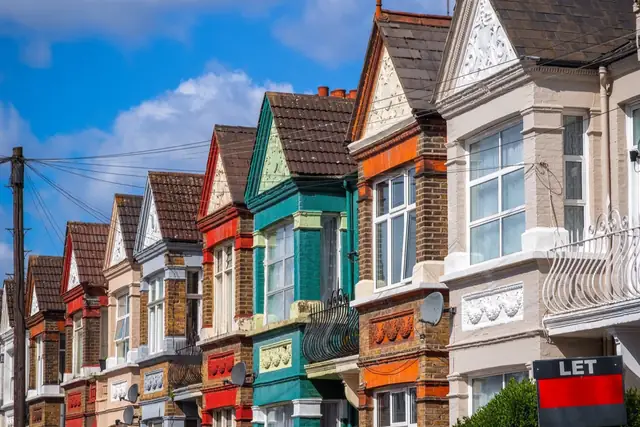
Victorian houses are known for grandeur and decorative detail. The era spans Queen Victoria's reign from 1837 to 1901, when the industrial revolution led to the mass production of building materials and made more ornate and complex designs possible.
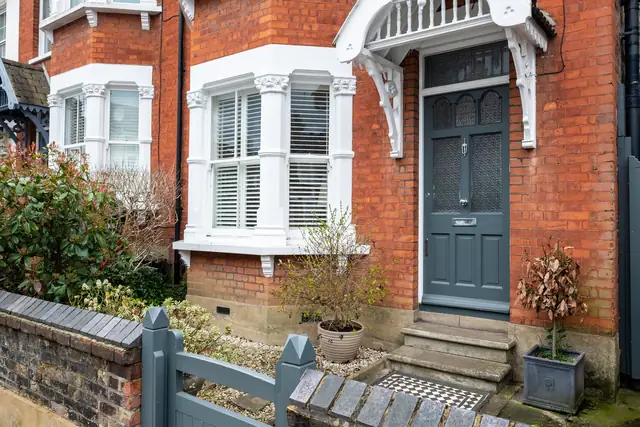
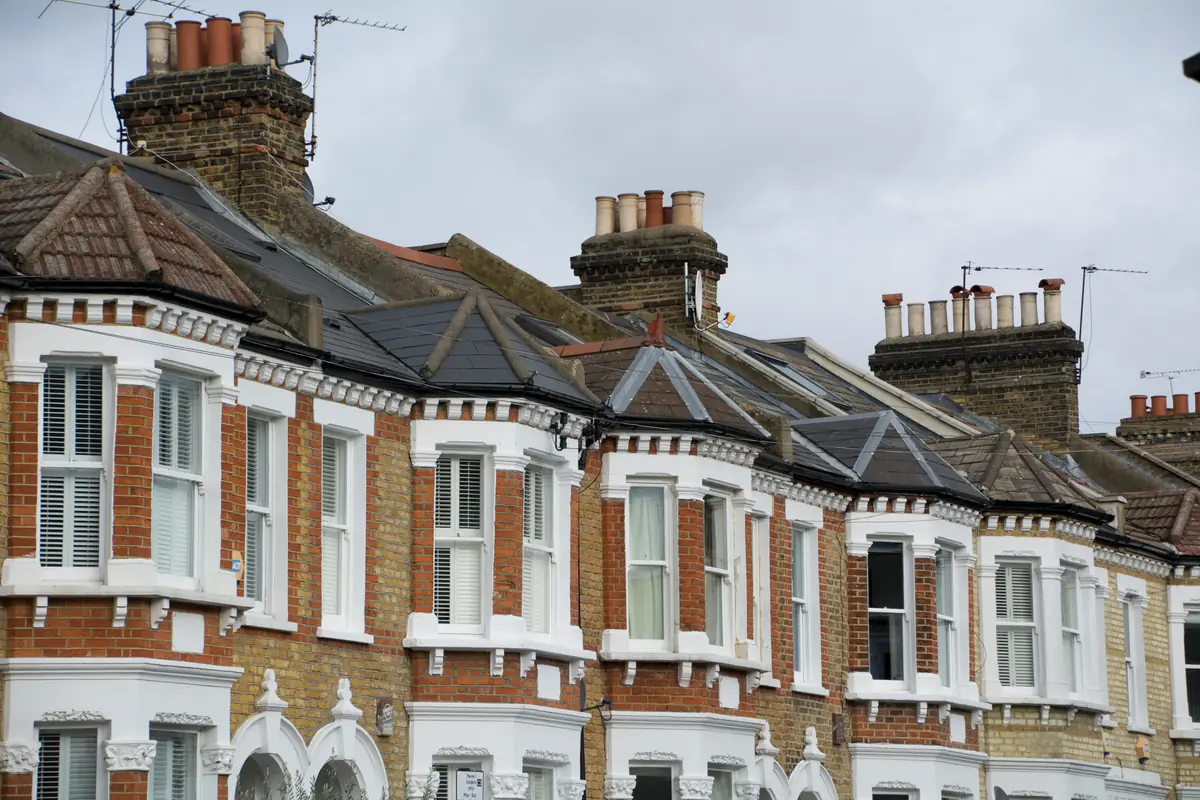
- Stained glass windows, patterned brickwork and intricate woodwork
- Often asymmetrical layouts, with rooms branching off a hallway
- Bay windows, high ceilings and ornate fireplaces
- Steeply pitched roofs with complex shapes, sometimes with towers, dormers and other embellishments
What are the features of an Edwardian house?
Edwardian houses are lighter, more spacious and more comfortable than Victorian ones. The style takes its name from Edward VII's brief reign, from 1901 to 1910, and was influenced by the Arts and Crafts movement, which emphasised natural materials, simple forms and a return to craftsmanship.
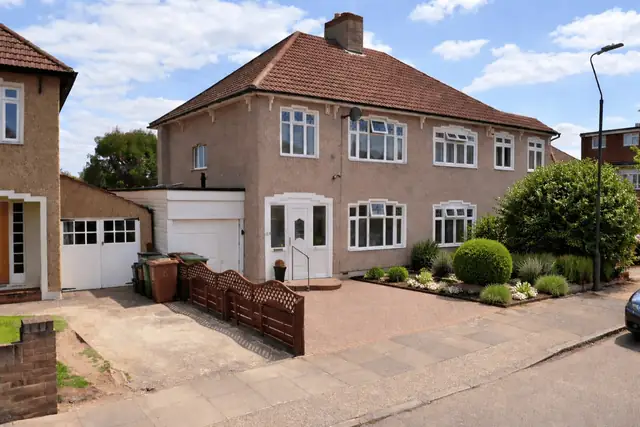
- Sometimes found on wide, tree-lined streets
- Larger rooms and wider hallways than Victorian homes
- Ornate fireplaces, parquet flooring and decorative glass in doors and windows
- Exteriors often in red brick, with mock-Tudor cladding or white-painted woodwork
Which period is best to buy?
No period is best in itself; each has strengths and drawbacks for modern living.
- Georgian properties are elegant and spacious but may need significant upkeep and may not meet modern standards for insulation and energy efficiency.
- Victorian properties offer ornate detail and a unique charm but can present challenges in layout and light.
- Edwardian properties, with their emphasis on comfort and natural light, can feel more modern but may lack the historical character of older properties.
What to do next when choosing a period property
- Weigh the property's condition, location and suitability for modern living.
- For a Georgian house, consider upkeep and how it performs on insulation and energy efficiency.
- For a Victorian house, consider the possible challenges of layout and light.
- Commission a thorough building survey to reveal any hidden issues before committing.
What a survey can — and cannot — tell you
A building survey provides an informed assessment of the visible condition of a property. Inspections are non-intrusive and limited to areas that are accessible at the time of inspection.
Whatever the period, a thorough building survey can reveal hidden issues that affect whether the property suits the buyer.
The surveyor can look at and record:
- The visible condition of walls, roofs, chimneys and windows
- Period features such as fireplaces, sash and bay windows, and decorative woodwork and glass
- Signs that significant upkeep is needed
However, there are limitations to what a survey can determine without intrusive investigation.
- Hidden structure behind finishes and in inaccessible areas cannot be inspected.
- The performance of insulation in walls and roofs cannot be confirmed by sight.
Where higher-risk indicators are identified, further specialist or intrusive investigation may be recommended.
Frequently asked questions
What years are Georgian, Victorian and Edwardian?
Georgian covers the reigns of the four King Georges from 1714 to 1830, Victorian covers Queen Victoria's reign from 1837 to 1901, and Edwardian takes its name from Edward VII's reign, from 1901 to 1910.
How can you tell a Georgian house?
Look for symmetry: a central panelled front door with windows arranged evenly either side, large sash windows, and a hipped or end-gabled roof with chimneys at both ends.
How is an Edwardian house different from a Victorian one?
Edwardian homes are typically more spacious, with larger rooms and wider hallways, and place more emphasis on light and comfort. Victorian homes are more ornate, often with asymmetrical layouts and steeply pitched, complex roofs.
Are Georgian houses energy efficient?
Georgian properties may not always meet modern standards for insulation and energy efficiency, and they may need significant upkeep.
Why are Victorian houses so ornate?
The industrial revolution led to the mass production of building materials, which made more ornate and complex designs possible.