
What is Japanese knotweed?
Japanese knotweed (Fallopia japonica) is a perennial plant, one that lives for more than two years, notorious in the UK for its aggressive growth and its effect on property values. It is native to East Asia, particularly Japan, China and Korea.
It was brought to Europe in the mid-1800s by the German botanist Philipp Franz von Siebold, who admired its looks and robust nature, and was introduced to the UK in the 19th century as an ornamental plant. It has since spread uncontrollably, causing concern among homeowners, developers and environmentalists.
Why is it so hard to get rid of?
It can regrow from even the smallest fragment of its root system. These underground stems, called rhizomes, can lie dormant for years and then sprout when conditions are favourable.
In the UK it has thrived because it has no natural predators here and the temperate climate gives it ideal growing conditions.
Seen cracks at a home you are buying? Get a survey price for the home you are buying.
What does the law say about Japanese knotweed?
Two Acts of Parliament apply:
- Wildlife and Countryside Act 1981. It is illegal to plant Japanese knotweed or cause it to grow in the wild.
- Environmental Protection Act 1990. Japanese knotweed waste is classified as controlled waste and must be disposed of properly, for example at a licensed landfill site. It should not be put in ordinary garden waste or compost bins.
Local authorities and environmental agencies have introduced measures to control its spread, but the problem is ongoing.
How does Japanese knotweed affect a property purchase?
Structural damage
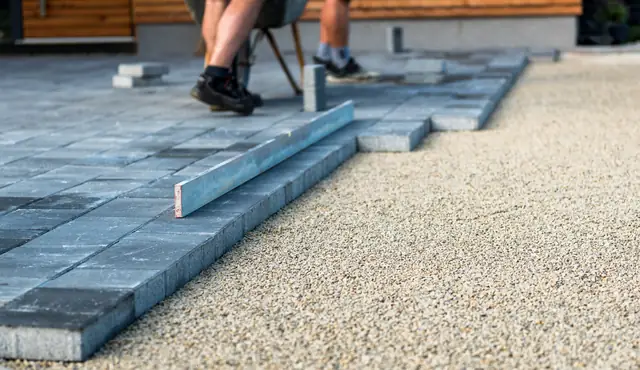
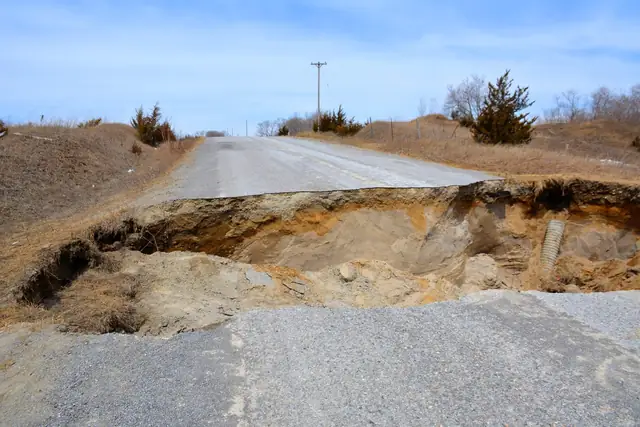
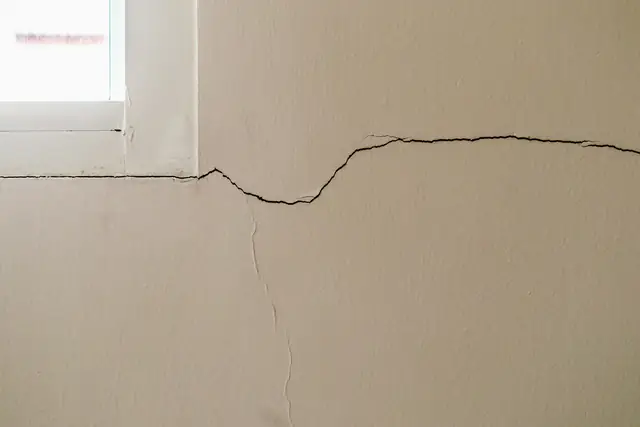
The rhizomes can grow through cracks in concrete, tarmac and brickwork, damaging buildings, driveways and other structures. This can mean costly repairs.
Value and saleability
Knotweed can reduce a property's value. Lenders are often reluctant to approve loans on affected properties, and buyers may be put off, so these homes can be harder to sell and may fetch lower prices than comparable properties.
Neighbours and legal disputes
Failing to manage and control the plant can lead to legal action from neighbours if it spreads onto their land. Selling without disclosing it can lead to legal disputes.
Mortgages
Lenders may require any of the following before approving a loan:
- A professional survey to assess the extent of the infestation
- A management plan setting out how the plant will be controlled and eradicated
- Evidence of ongoing treatment and monitoring
Meeting these requirements can take time and money, but may be needed to secure finance.
Insurance
Some insurers may refuse cover, while others impose higher premiums or specific conditions. Owners should tell their insurer about any known infestation and provide evidence of treatment and management plans. Failing to disclose it can result in claims being refused and possible legal issues.
How do you identify Japanese knotweed?
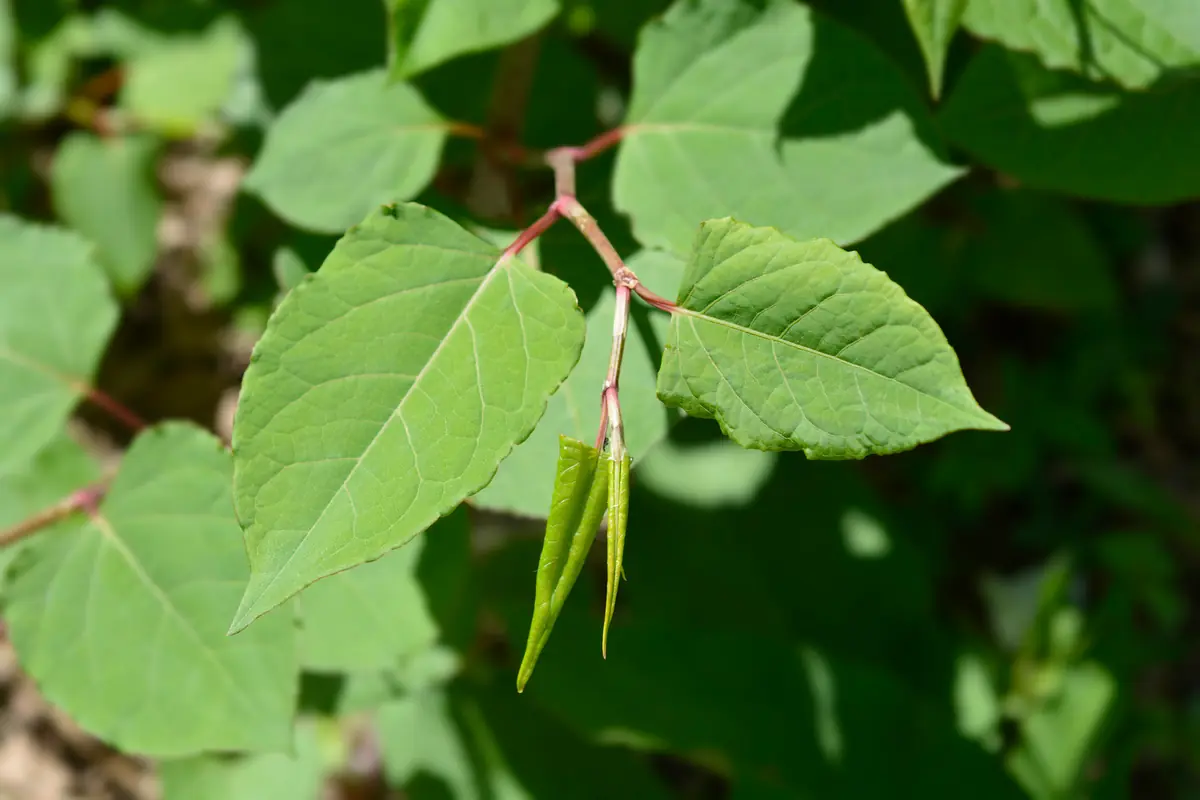
- Leaves: heart-shaped or spade-shaped with a pointed tip, arranged in a zigzag pattern along the stem.
- Stems: hollow and bamboo-like with distinct nodes, often with a reddish-brown hue.
- Flowers: small, creamy-white flowers in clusters, appearing in late summer and early autumn.
- Rhizomes: thick, woody underground stems that can extend several metres from the main plant.
How does it change through the year?
| Season | What to expect |
|---|---|
| Spring | New shoots emerge, often with a reddish tint. |
| Summer | Rapid growth, with stems reaching up to 3 metres in height. |
| Autumn | Flowering, followed by the plant dying back. |
| Winter | Stems become brittle and brown, but rhizomes remain active underground. |
What to look for when viewing
- Hollow, bamboo-like stems with distinct nodes, often reddish-brown
- Heart-shaped or spade-shaped leaves arranged in a zigzag along the stem
- Clusters of small creamy-white flowers in late summer and early autumn
- Reddish shoots in spring, or brittle brown stems in winter
- Growth in the garden and surrounding areas, including next door
How is Japanese knotweed treated?
Chemical treatment
Herbicides are one of the most common methods of control, and glyphosate-based herbicides are particularly effective. Treatment must be carried out over several years to eradicate the plant. Professional treatment is recommended, because improper use of herbicides can cause environmental damage and legal issues.
Physical removal
Excavation removes the plant and its rhizomes from the soil. It can be effective but is labour-intensive and costly. Every rhizome fragment must be removed, because even a small piece can regrow, and the excavated material must be disposed of properly, for example at a licensed landfill site.
Biological control
Research is ongoing into biological control. One approach uses a sap-sucking insect, Aphalara itadori, which feeds on the plant and reduces its vigour.
Integrated management plans
Effective management often combines methods. Integrated management plans drawn up by professionals typically include chemical treatment, physical removal and ongoing monitoring to prevent regrowth.
How can the spread be prevented?
- Responsible disposal. Take excavated material to licensed landfill sites and avoid spreading rhizome fragments in transit.
- Clean soil. Contaminated soil or compost can introduce the plant to new areas. Reputable suppliers should provide certification that their products are free from invasive species.
- Regular monitoring. Check the garden and surrounding areas, particularly in the growing season. Early detection allows prompt treatment.
- Talking to neighbours. Raising awareness of how to identify and manage the plant helps joint efforts to control it.
What to do next
- If knotweed is suspected, have its presence and extent confirmed by a chartered surveyor or specialist company.
- Find out what the lender requires: typically a survey, a management plan and evidence of treatment.
- Ask for any existing management plan and treatment records.
- Tell the insurer about any known infestation.
- Choose a qualified surveyor with experience of Japanese knotweed, such as a member of the Royal Institution of Chartered Surveyors (RICS).
What a survey can — and cannot — tell you
A building survey provides an informed assessment of the visible condition of a property. Inspections are non-intrusive and limited to areas that are accessible at the time of inspection.
Chartered surveyors can inspect for the plant, assess the extent of an infestation and report on it for buyers, owners and lenders. They can also recommend appropriate management and treatment.
- Visible growth on the property, identified from its leaves, stems and flowers
- The extent of visible infestation
- Cracks in concrete, tarmac and brickwork near any growth
- Whether further specialist assessment or a management plan is needed
However, there are limitations to what a survey can determine without intrusive investigation.
- Rhizomes underground, which can extend several metres from the main plant and lie dormant for years
- Rhizomes that remain active underground in winter, when stems above ground are brittle and brown
- Areas not accessible at the time of inspection, including neighbouring land
Where higher-risk indicators are identified, further specialist or intrusive investigation may be recommended.
Frequently asked questions
Is it illegal to have Japanese knotweed in your garden?
Under the Wildlife and Countryside Act 1981 it is illegal to plant it or cause it to grow in the wild. Failing to manage it can also lead to legal action from neighbours if it spreads onto their property.
Do you have to tell buyers about Japanese knotweed?
Sellers are likely to be asked about it on the property information form, and a buyer who was misled may take legal action for treatment costs and loss of value.
Can you get a mortgage on a house with Japanese knotweed?
Lenders are often reluctant, and many require a professional survey, a management plan and evidence of ongoing treatment and monitoring before approving a loan.
Can Japanese knotweed go in a garden waste bin?
No. Japanese knotweed waste is classified as controlled waste and must be disposed of properly, for example at a licensed landfill site.
How long does treatment take?
Herbicide treatment must be carried out over several years, and ongoing monitoring is needed to prevent regrowth.
How tall does Japanese knotweed grow?
Stems can reach up to 3 metres in summer.