
What is an Energy Performance Certificate?
An Energy Performance Certificate (EPC) is a report on a property's energy efficiency. It is graded from A, the most efficient, to G, the least efficient.
Energy efficiency is a primary concern for many buyers, and the EPC rating can influence how desirable a property is.
Want the services and materials checked? Get a survey price for the home you are buying.
Which properties do not need an EPC?
Most residential and commercial properties need an EPC, but there are exceptions:
- Places of worship.
- Temporary structures expected to be in use for less than two years.
- Buildings scheduled for demolition.
- Industrial sites or workshops with low energy demand.
How does an EPC rating affect a sale?
An EPC rating can affect how desirable a property is to buyers. Higher ratings reflect better energy performance, which can attract more demand. Properties with poor ratings may be challenging to sell.
How can an EPC rating be improved?
An EPC rating can be improved through measures such as:
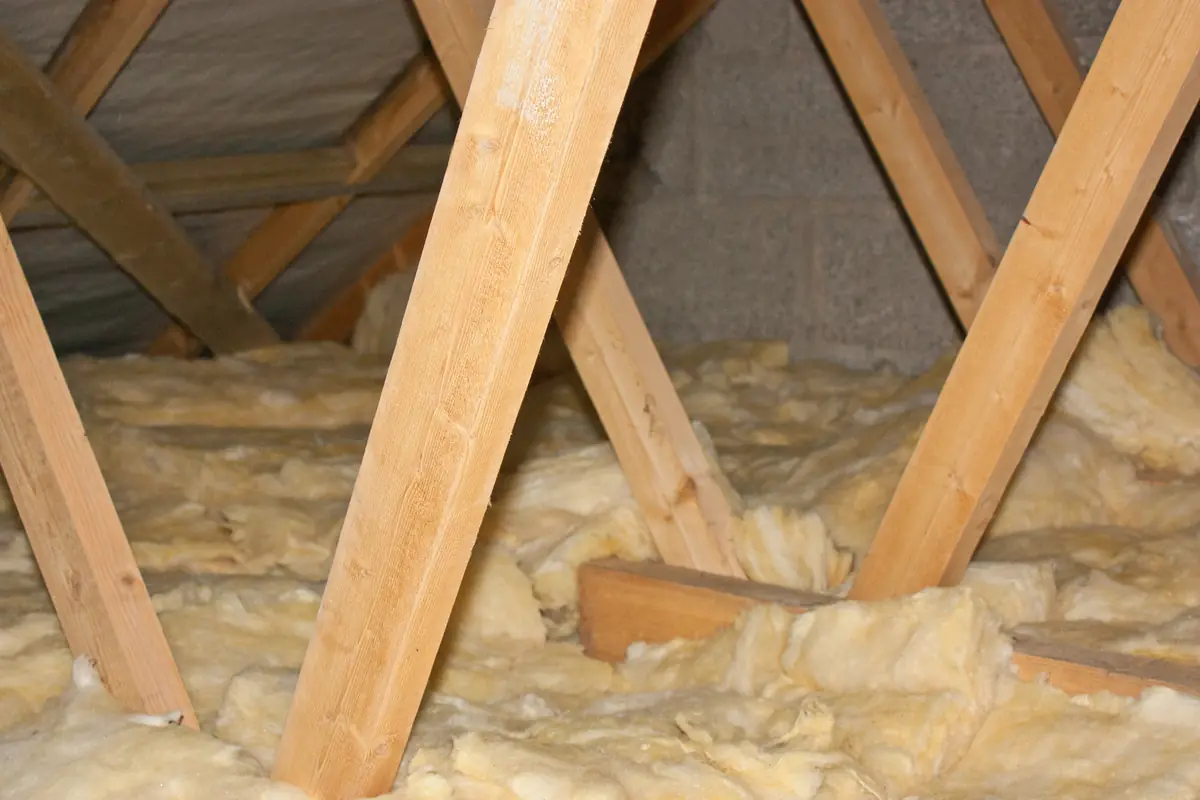
- Installing insulation.
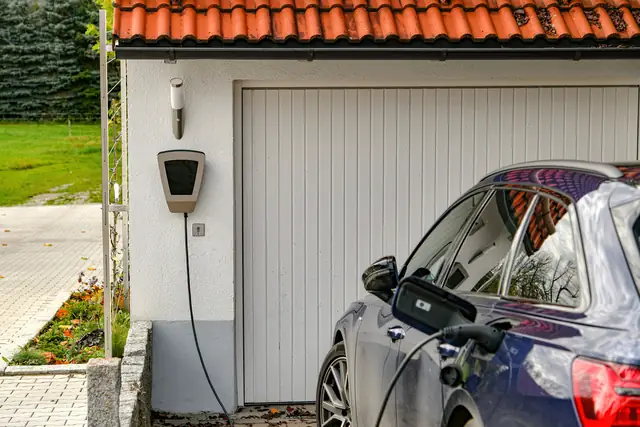
- Using renewable energy sources.
- Upgrading the heating system.
What to do next when buying
- Check the property's EPC rating, from A to G, as part of assessing the purchase.
- Consider how the rating may affect future demand and resale.
- Note which improvements, such as insulation, heating upgrades or renewable energy, could raise the rating.
- Find out whether any government grants could subsidise those measures.
What a survey can — and cannot — tell you
A building survey provides an informed assessment of the visible condition of a property. Inspections are non-intrusive and limited to areas that are accessible at the time of inspection.
A survey looks at the condition of the building fabric and services that influence energy performance, which helps a buyer read the EPC rating alongside the property itself.
- Visible insulation, for example in an accessible loft.
- The type and apparent condition of the heating system.
- Any renewable energy installations on the property.
However, there are limitations to what a survey can determine without intrusive investigation.
- Insulation hidden within walls, floors or roofs cannot be seen.
- Heating systems and appliances are not tested for efficiency.
Where higher-risk indicators are identified, further specialist or intrusive investigation may be recommended.
Frequently asked questions
What do EPC ratings mean?
EPC ratings run from A, the most efficient, to G, the least efficient. They report on a property's energy efficiency.
Does every property need an EPC?
Most residential and commercial properties do. Exceptions include places of worship, temporary structures expected to be used for less than two years, buildings due for demolition, and low-energy industrial sites or workshops.
Does a poor EPC rating affect a sale?
It can. Properties with poor EPC ratings may be challenging to sell, while higher ratings can attract more demand from buyers.
How can an EPC rating be improved?
Through measures such as insulation, renewable energy or a heating upgrade. Some measures can be subsidised by government grants.