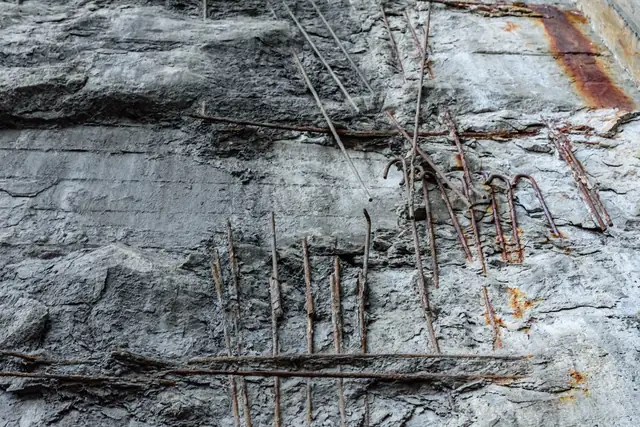

What are boundary walls and retaining walls?
A masonry boundary wall marks the edge of a property. It is typically built of brick, stone or concrete blocks and provides security, privacy and appearance. Height and design vary with the needs of the site and local regulations.
A retaining wall is an engineered structure that holds back soil and prevents erosion. Retaining walls are common in gardens, along roads and wherever ground levels change significantly. They can be built of masonry, timber or reinforced concrete; masonry is popular for its durability and appearance.
Why do these walls need regular maintenance?
Neglected walls lead to costly repairs, safety hazards and possible legal issues with neighbours or local authorities. Masonry walls can crack, bulge and lean, and regular inspection picks up early signs so that repairs can be made before deterioration spreads.
Damaged or unstable walls are a particular risk near paths, driveways and public areas. Well-kept walls also improve the appearance of a property.
Seen cracks at a home you are buying? Get a survey price for the home you are buying.
What to look for when viewing
Check every boundary and retaining wall for:
- Cracks in the mortar or bricks
- Bulging or leaning sections
- Loose or missing bricks
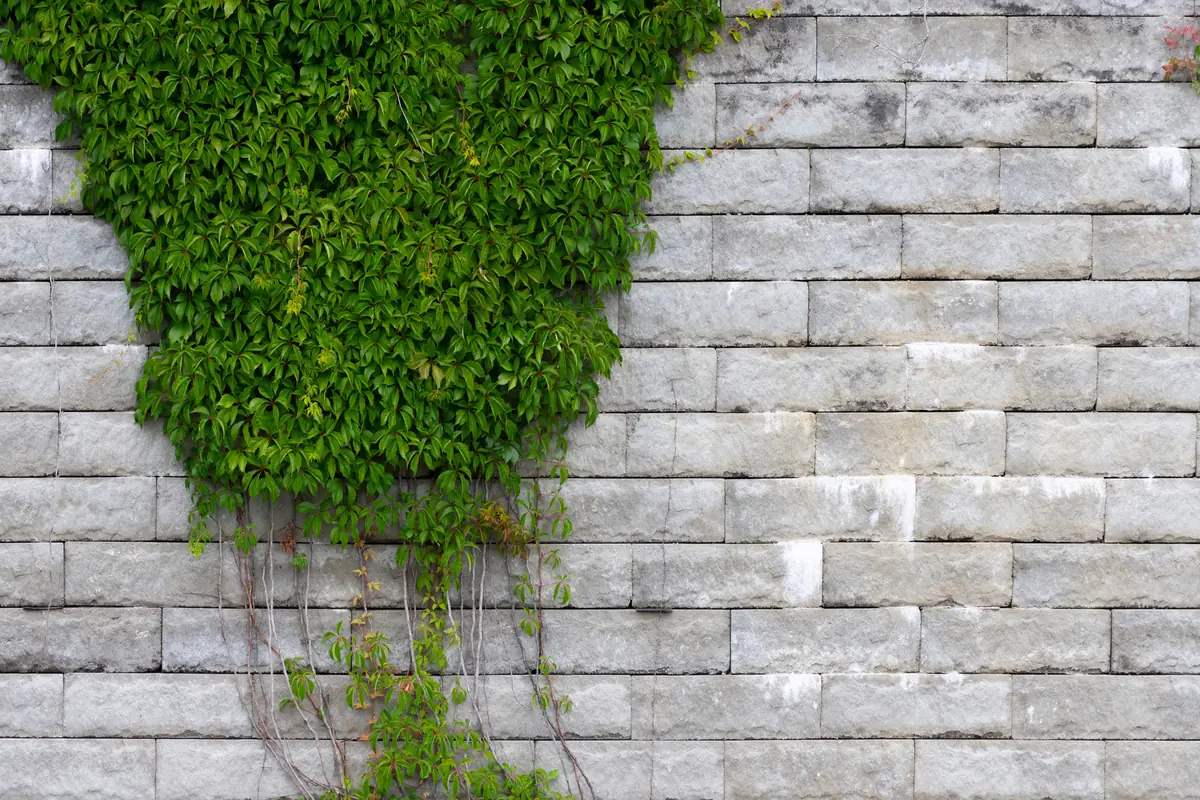
- Vegetation such as ivy or moss
- On retaining walls, water stains or efflorescence (white, powdery deposits)
- On retaining walls, blocked weep holes or drainage pipes, and ground sloping towards the wall
- Soil erosion or settling near the wall
How should a masonry boundary wall be maintained?
1. Inspect regularly
Inspect walls at least twice a year, ideally in spring and autumn, for the signs listed above.
2. Clean the wall
Cleaning improves appearance and helps prevent damage from dirt, algae and other contaminants.
- Brushing: a stiff-bristled brush removes loose dirt and debris.
- Washing: water and mild detergent applied with a soft brush or sponge, then rinsed with clean water.
- Pressure washing: effective for heavily soiled walls, but keep the pressure low and stand well back to avoid damaging mortar or bricks.
3. Repoint the mortar joints
Over time the mortar between bricks deteriorates, leaving gaps and weakening the wall. Repointing means removing the damaged mortar and replacing it.
- Remove the damaged mortar with a chisel and hammer to a depth of about 1 to 2 cm.
- Brush loose debris out of the joints.
- Press fresh mortar firmly into the joints with a pointing trowel and smooth it with a pointing tool.
- Let the mortar cure for at least 24 hours, misting it with water if needed to keep it moist.
4. Repair cracks
Cracks can be caused by settling, temperature changes and moisture getting in. Dealing with them promptly prevents further damage.
| Crack | Repair |
|---|---|
| Hairline | Fill with a suitable masonry crack filler. |
| Wider | Widen slightly with a chisel, then fill with mortar pressed in and smoothed with a trowel. |
| Significant, or signs of structural damage | Consult a professional surveyor or structural engineer for an assessment and repair plan. |
5. Deal with vegetation
Ivy and moss trap moisture and weaken mortar. Remove vegetation growing on or near the wall.
- Ivy: cut it at the base and let it die back before removing it. Pulling live ivy can damage the mortar.
- Moss and algae: remove with a brush, then rinse with clean water.
How is a retaining wall maintained differently?
A retaining wall needs the same inspection, cleaning, repointing, crack repair and vegetation control as a boundary wall, plus attention to drainage and soil pressure. Repointing is essential to its structural integrity.
Drainage checks
- Weep holes: check they are clear and working.
- Drainage pipes: where fitted, check they are not blocked or damaged.
- Ground levels: the ground should slope away from the wall to direct water away from it.
Soil movement
Soil movement can put significant stress on a retaining wall. Watch for changes in the landscape such as soil erosion or settling, and deal with them promptly.
What other maintenance points matter?
- Matching materials. Use good-quality repair materials that match the original construction, so repairs last and blend in.
- Professionals for major work. Many tasks can be done by homeowners, but major repairs and structural issues should be handled by professionals.
- Records. Keep a record of inspections, repairs and maintenance. It helps later and is useful information when selling.
What legal points apply to boundary and retaining walls?
- Shared walls. If a boundary wall is shared with a neighbour, a party wall notice to the neighbour, and possibly an agreement, may be needed before significant repairs or alterations. Agreeing the rights and responsibilities of both parties helps prevent disputes.
- Planning permission. Some types of work on boundary or retaining walls may need planning permission. Check with the local planning authority.
- Building regulations. Repairs and alterations should comply with relevant building regulations. This matters particularly for retaining walls, where improper construction or repair can create safety hazards.
- Boundary disputes. Clear, well-defined boundaries help prevent disputes. A surveyor can assess the boundary position where it is uncertain.
What to do next
- Walk every wall on the property and note cracks, bulges, leaning, loose bricks and vegetation.
- On retaining walls, check weep holes, drainage pipes and ground levels.
- Ask the seller for records of inspections and repairs.
- Find out whether any boundary wall is shared with a neighbour.
- Have significant cracks, bulging or leaning assessed by a surveyor or structural engineer.
What a survey can — and cannot — tell you
A building survey provides an informed assessment of the visible condition of a property. Inspections are non-intrusive and limited to areas that are accessible at the time of inspection.
A surveyor can identify early signs of structural issues in boundary and retaining walls, such as cracking, bulging and leaning, and say whether further assessment is needed.
- Cracks in mortar or bricks, and loose or missing bricks
- Bulging or leaning sections
- The condition of pointing
- Vegetation on or near walls
- Water stains, efflorescence and visible weep holes on retaining walls
However, there are limitations to what a survey can determine without intrusive investigation.
- Water build-up and soil pressure behind a retaining wall
- Whether hidden drainage pipes are blocked or damaged
- The exact position of a boundary
Where higher-risk indicators are identified, further specialist or intrusive investigation may be recommended.
Frequently asked questions
How often should garden walls be inspected?
At least twice a year, ideally in spring and autumn.
What are weep holes for?
They are small openings at the base of a retaining wall that let water escape from behind it, preventing water build-up and pressure.
Is ivy bad for brick walls?
Ivy and moss can damage masonry walls by trapping moisture and weakening the mortar. Ivy should be cut at the base and left to die back before removal, rather than pulled off live.
How deep should old mortar be raked out for repointing?
About 1 to 2 cm, before the joints are brushed out and refilled with fresh mortar.
When should a cracked wall be looked at by a professional?
When cracks are significant or there are signs of structural damage, such as bulging or leaning, a surveyor or structural engineer should assess it.
Do you need permission to repair a boundary wall?
A shared wall may need a party wall notice to the neighbour, and possibly an agreement, before significant work, and some work may need planning permission, so check with the local planning authority.