
What are Eternit fibre cement roof tiles?
Eternit fibre cement roof tiles are tiles made from a composite of cement and fibres. Fibre cement roof tiles emerged in the late 19th century, and Eternit became a prominent name, synonymous with these tiles.
The combination of cement and fibres gives a durable, versatile, lightweight and affordable roofing material that became popular worldwide. They were a popular choice for many decades, particularly in the mid-20th century.
How do fibre cement roof tiles perform?
Fibre cement tiles have been a common choice for decades because they are durable, weather-resistant and affordable.
- Durability: they resist rot and fire.
- Weather resistance: they suit various climates and withstand heavy rain, wind and snow.
- Cost: they are more affordable than many other roofing materials.
- Appearance: they are known for their aesthetic appeal.
Buying a home with an older roof? Get a survey price for the home you are buying.
How long do Eternit roof tiles last?
Life expectancy is given as between 30 and 50 years.
The lifespan depends on the quality of the original material, the installation, the local climate and the level of maintenance. The tiles may stay structurally sound for many decades even while their colour and finish fade.
What defects affect ageing Eternit tiles?
The most common issue is weathering: over time, exposure can make the tiles brittle so that they crack.
- Weathering and cracking: brittle, cracked tiles can lead to leaks, which can cause significant damage inside the property if not addressed promptly.
- Impact cracking: the tiles are durable but not immune to cracks, especially after a significant impact.
- Fading: prolonged exposure to the sun fades the colour.
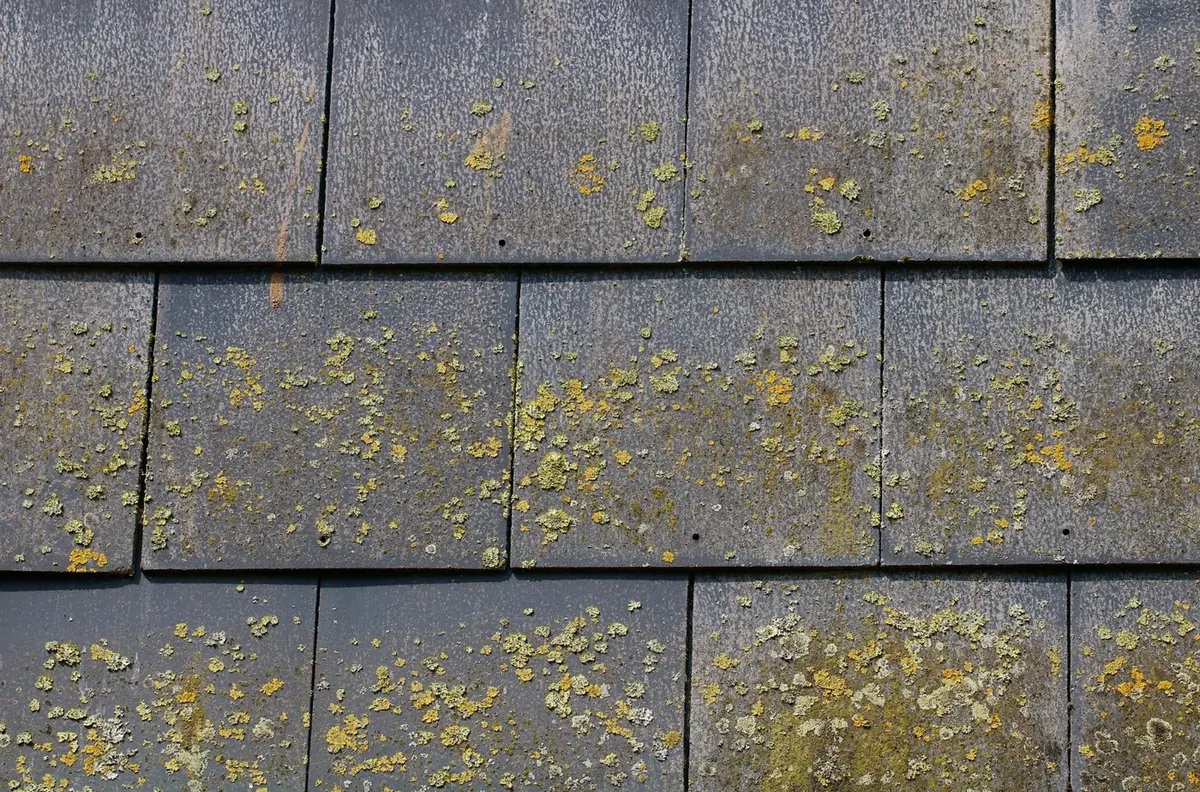
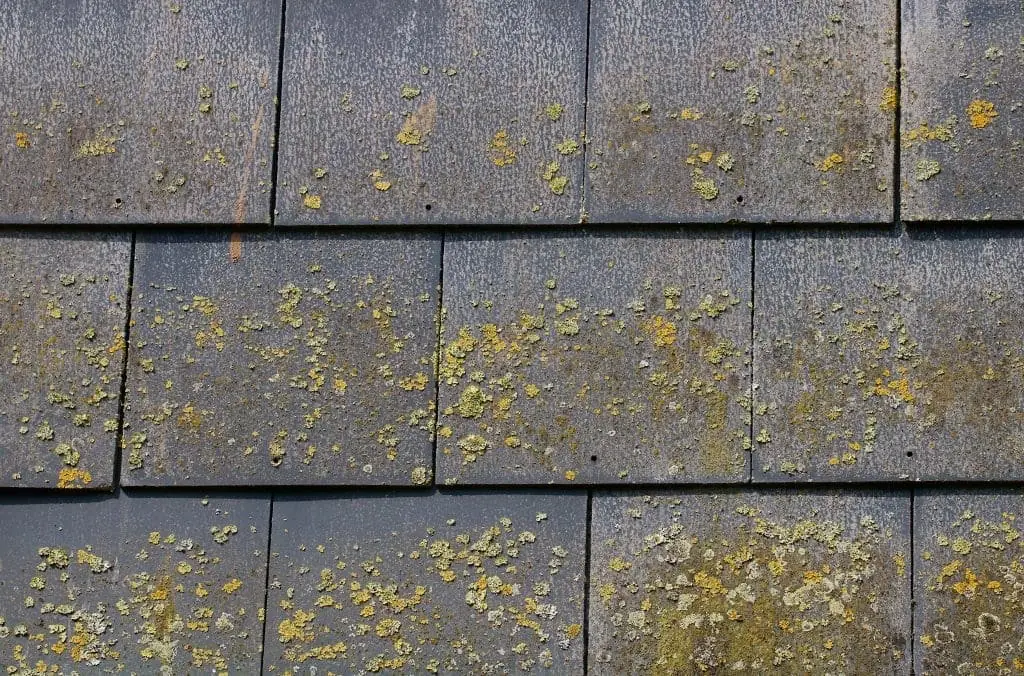
- Moss and algae: these thrive on the porous surface, leaving green patches. Mainly cosmetic, but left untreated they make the tiles retain moisture, increasing the risk of leaks.
Do Eternit roof tiles contain asbestos?
Older Eternit tiles may. Pre-2000 Eternit fibre cement products sometimes contained asbestos.
Where tiles containing asbestos are damaged or disturbed, they can release fibres into the air. Inhaled, these can lead to serious respiratory issues.
How should Eternit tiles be maintained?
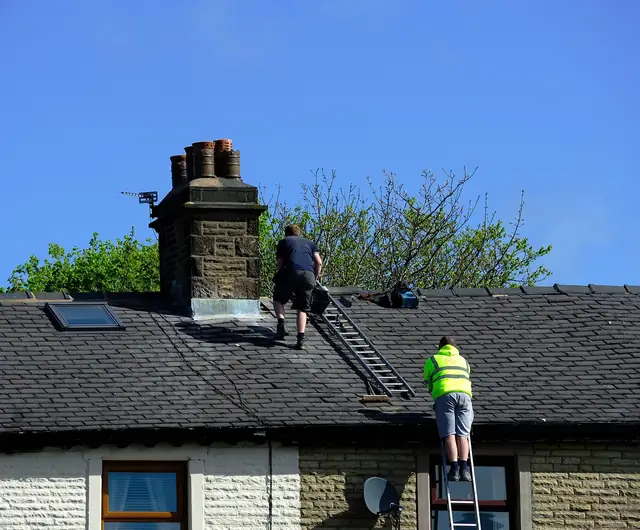
- Have a roofer inspect the tiles twice a year for cracks, fading or other damage.
- Keep gutters clean to prevent water build-up that could damage the tiles.
- Replace broken or cracked tiles immediately to prevent further problems.
- Consult a professional if the tiles are suspected of containing asbestos.
When should Eternit tiles be replaced?
Replacement should be considered when the tiles near the end of their lifespan or show widespread damage, fading or significant wear. From around the 30-year mark, the roof should be watched closely, and replacement may also be considered for safety reasons where asbestos is a concern.
Alternatives include slate, clay and modern fibre cement tiles, which are asbestos-free and offer enhanced durability and colour choices. The replacement material should suit the property and the local climate.
Installing fibre cement tiles involves inspecting and preparing the roof structure, laying an underlayment (a protective layer beneath the tiles), then laying the tiles methodically to seal against the weather.
What to look for when viewing
- Cracked, broken or brittle-looking tiles.
- Faded colour and worn finish.
- Moss and algae growth on the roof.
- Blocked gutters.
- Signs of leaks inside the property.
What a survey can — and cannot — tell you
A building survey provides an informed assessment of the visible condition of a property. Inspections are non-intrusive and limited to areas that are accessible at the time of inspection.
For an Eternit fibre cement roof, a survey helps identify ageing issues early, such as weathering, cracking and moss growth, and flags where the age of the tiles raises the possibility of asbestos.
- The visible condition of the tiles, including cracks, breakages and fading.
- Moss and algae growth.
- The condition of gutters.
- Signs of leaks or water damage inside the property.
However, there are limitations to what a survey can determine without intrusive investigation.
- Whether the tiles contain asbestos; a professional should be consulted where it is suspected.
- The condition of the underlayment and roof structure hidden beneath the tiles.
- Parts of the roof not visible or safely accessible at the time of inspection.
Where higher-risk indicators are identified, further specialist or intrusive investigation may be recommended.
Frequently asked questions
How long do Eternit fibre cement tiles last?
Life expectancy is given as 30 to 50 years, depending on material quality, installation, climate and maintenance.
Are Eternit roof tiles asbestos?
Older ones may contain it. Pre-2000 Eternit products sometimes contained asbestos.
Is moss on fibre cement tiles a problem?
It is mainly cosmetic, but left untreated moss and algae make the tiles retain moisture, increasing the risk of leaks.
Can asbestos fibre cement tiles be removed by a homeowner?
No. Asbestos removal is regulated and should be carried out by a professional.
How often should a fibre cement roof be inspected?
Twice a year by a roofer, checking for cracks, fading and other damage.