
What types of flooding affect UK properties?
Flooding in the UK comes from rivers, the sea, surface water, groundwater and reservoirs. According to the Environment Agency, each of these sources poses a different level of risk. Flood risk is a significant factor in property valuation and insurance costs.
- River flooding: rivers overflow their banks after heavy or prolonged rainfall or snowmelt. Properties near rivers are particularly vulnerable.
- Coastal (sea) flooding: caused by high tides, storm surges and rising sea levels. Properties along the coast are at risk, especially in low-lying areas. Coastal defences such as sea walls and flood barriers can mitigate some of the risk, but they are not foolproof.
- Surface water flooding: heavy rainfall overwhelms drainage systems and water pools on the ground. Urban areas with inadequate drainage infrastructure are particularly susceptible.
- Groundwater flooding: the water table (the level below which the ground is saturated with water) rises above ground level, usually after prolonged heavy rainfall.
- Reservoir flooding: relatively rare, but can occur if a reservoir's dam fails or water is released in an uncontrolled way.
Which types are hardest to predict?
Surface water flooding is often unpredictable because rainfall varies in location and volume. Local features such as topography (the shape and height of the land) and urban infrastructure strongly influence how likely and how severe it is.
Groundwater flooding is also hard to predict and manage, as it depends on the underlying geology and how saturated the soil is. It can be less apparent than other types but can still cause significant damage, particularly to properties with basements or lower ground floors.
River and sea flooding is more predictable but still poses a considerable risk. The Environment Agency maps indicate that the risk of flooding from reservoirs is generally low, but it is still a factor for properties downstream of large reservoirs.
Questions about the home you are buying? Get a survey price for the home you are buying.
How does flooding affect property value?
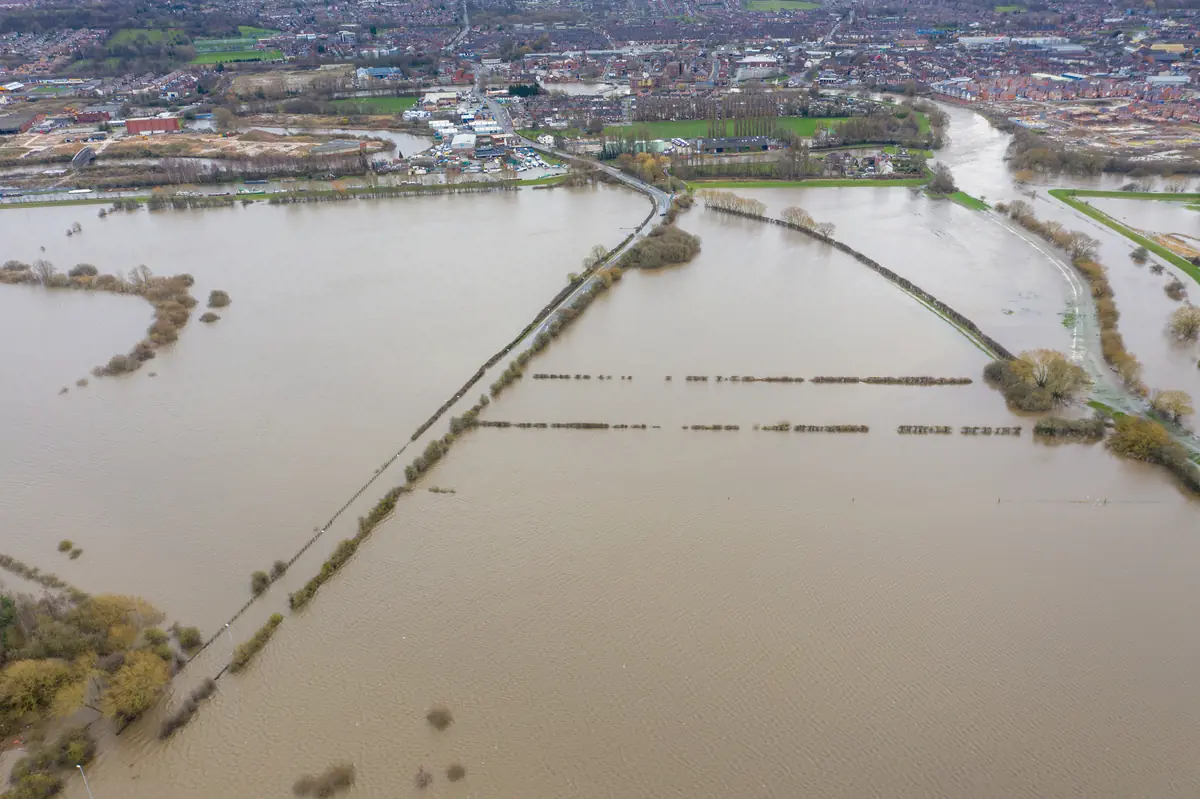
Flooding can lower a property's market value and make it harder to sell. The potential for flood damage, together with the cost of repairs and insurance, can deter buyers, which reduces demand and lowers prices.
Lower market value
Properties in high-risk flood zones often have lower market values than similar properties in low-risk areas.
Higher insurance costs
Properties in flood-prone areas typically face higher premiums for buildings and contents insurance. Insurers assess flood risk using historical data and predictive models. The higher cost can be a financial burden for owners and can make a property less affordable and less attractive to buyers. Potential buyers should obtain insurance quotes to understand the full cost of owning a property in a flood-risk area.
Harder to obtain a mortgage
Lenders are often cautious about lending on properties in high-risk flood areas. Some may require additional flood risk assessments or impose stricter lending criteria, which can complicate the purchase. This can limit the pool of buyers and further depress values. Buyers should speak to their mortgage provider about any implications.
Repeated damage and repair costs
Flooding can cause structural damage, mould growth and damage to electrical systems and personal belongings. Repair costs can be substantial. Properties that have flooded before are at risk of repeated damage, which brings ongoing repair costs and a diminished quality of life for residents.
Longer selling times
Properties in flood-prone areas may take longer to sell and achieve lower resale values. The stigma associated with flooding can deter buyers even if a property has not flooded in recent years, and sellers may need to price more competitively.
What does a history of flooding look like in practice?
A hypothetical example shows how these effects combine. Imagine a property in a picturesque village near a river, with significant flood events every few years. Despite its charming location and attractive features, its value has been negatively affected by the flood risk.
- Its flood history has led to high insurance premiums compared with similar properties in low-risk areas, which deters buyers.
- Repeated flood events have damaged the structure and interior, and future repairs are likely.
- It takes longer to sell, achieves a lower resale value and has had to be priced more competitively.
- Lenders are cautious; some require additional flood risk assessments or impose stricter criteria, so buyers face challenges securing finance.
How can you check the flood risk of a property before buying?
Start with the Environment Agency flood maps, then add a flood risk report, local authority records and a surveyor's assessment.
- Check the Environment Agency flood maps. These are available online and show the likelihood of flooding from various sources. They categorise areas into flood zones ranging from low to high risk.
- Obtain a flood risk report. A flood risk report assesses the flood risk of a specific property. It can include historical flooding, flood defences, potential future risks and recommendations for mitigation.
- Contact the local authority. Local authorities often hold records of past flooding events, planned flood defence projects and other relevant data.
- Investigate local flood defences. Flood barriers and drainage systems can reduce flood risk. Check what defences exist in the area and how effective they are.
- Consider elevation and location. Properties on higher ground are generally less susceptible to flooding. Look at the topography of the area and how close the property is to water.
- Consult a surveyor. A surveyor can identify potential vulnerabilities and recommend measures to reduce flood risk.
What to look for when viewing a property
- How close the property is to a river, the coast or a large reservoir.
- Whether it sits on higher ground or in a low-lying spot.
- Whether it has a basement or lower ground floor, which are more exposed to groundwater flooding.
- The condition of drainage, gutters and downpipes, and whether they are clear of debris.
- Any existing flood barriers, airbrick covers or raised door thresholds.
- Whether electrical outlets, fuse boxes and appliances sit above potential flood levels.
How can flood risk be reduced?
Flood risk cannot be eliminated entirely, but owners can reduce the impact of flooding with defences, resilient design, good drainage and planning.
Flood barriers and defences
Sandbags, flood gates, flood barriers and airbrick covers can help stop water entering a property. Raising the height of door thresholds and improving drainage systems also help. These measures can be costly, but they can reduce the risk of flood damage.
Better drainage
Permeable paving, rain gardens and French drains can improve drainage. Regular maintenance of drainage systems, gutters and downpipes, keeping them clear of debris and working properly, can help prevent surface water pooling around the property.
Flood-resilient design and materials
- Use water-resistant materials such as ceramic tiles, concrete and water-resistant insulation.
- Raise electrical outlets, fuse boxes and appliances above potential flood levels, or place them on raised platforms.
- Design the layout to allow for easy clean-up.
A flood emergency plan
A flood emergency plan helps owners respond quickly. It should cover protecting valuable items, shutting off utilities and evacuating if necessary, and should be reviewed and updated regularly.
What support and planning rules apply in flood-prone areas?
- Flood Re: buyers should check whether a property is eligible and take this into account when comparing insurance options.
- Grants and funding: the government and local authorities may offer grants towards flood defences, drainage improvements and other resilience measures.
- Community flood action groups and plans: these bring together residents, local authorities and others to improve local drainage, deliver flood defence projects, plan for emergencies and raise awareness. A proactive community can improve the resilience of the whole area.
- Planning permission: obtaining permission for new developments or significant alterations in flood-prone areas can be challenging, as local authorities may impose strict requirements so that new development does not make flood risk worse.
What to do next
- Check the Environment Agency flood maps for the property's location.
- Ask the local authority about past flooding and planned flood defences.
- Obtain insurance quotes early, and check whether Flood Re applies.
- Speak to your mortgage provider about any flood-related lending criteria.
- Commission a survey and, where needed, a flood risk report.
What a survey can — and cannot — tell you
A building survey provides an informed assessment of the visible condition of a property. Inspections are non-intrusive and limited to areas that are accessible at the time of inspection.
For flood risk, a surveyor can identify potential vulnerabilities in a property and recommend measures to reduce the risk, and a valuation can take flood risk into account to help buyers negotiate a fair price and avoid overpaying in high-risk areas.
- The property's location, topography and proximity to water.
- The condition of visible drainage, gutters and downpipes.
- Visible signs of past flood damage, such as damage to the structure or mould growth.
- Existing flood barriers, defences and flood-resilient features.
- Recommendations on mitigation measures, maintenance and community initiatives.
However, there are limitations to what a survey can determine without intrusive investigation.
- Groundwater flooding depends on underlying geology and soil saturation, which cannot be seen at a visual inspection.
- Surface water flooding is often unpredictable, so a single visit cannot show how a site behaves in every storm.
- Concealed drainage and hidden flood damage may not be visible.
Where higher-risk indicators are identified, further specialist or intrusive investigation may be recommended.
Frequently asked questions
Does flood risk reduce house prices?
Properties in high-risk flood zones often have lower market values than similar properties in low-risk areas. Higher insurance costs, repair costs and buyer caution all reduce demand.
Can you get a mortgage on a house at risk of flooding?
Lenders are cautious about lending in high-risk flood areas. Some require additional flood risk assessments or apply stricter lending criteria, so speak to your mortgage provider early.
What is Flood Re?
Flood Re is a government-backed scheme designed to make flood insurance more affordable for properties at high risk of flooding. Insurers can pass the flood risk element of a home insurance policy to Flood Re, but buyers should check whether a particular property is eligible.
Where can you check if a property is in a flood zone?
The Environment Agency publishes flood maps online that place areas in flood zones from low to high risk. Local authorities may also hold records of past flooding.
Is groundwater flooding a risk for homes with basements?
Yes. Groundwater flooding can cause significant damage, particularly to properties with basements or lower ground floors.
Does a property that has not flooded recently still lose value?
It can. The stigma associated with flooding can deter buyers even if a property has not flooded in recent years.