
What are electro-conductive salts in masonry?
Electro-conductive salts are minerals that can be present in masonry materials such as bricks, stones and mortar. They include chlorides, nitrates and sulphates.
They become a problem when they dissolve in water and migrate through the masonry. When the water evaporates, the salts crystallise on the surface, causing problems that can affect both the structure and the appearance of a building.
Worried about damp? Get a survey price for the home you are buying.
How do salts get into masonry?
Salts enter masonry from the ground, from building materials and from the surrounding environment.
- Groundwater: salts in the soil are absorbed by masonry through capillary action, the way water is drawn up through fine pores.
- Building materials: some construction materials contain salts.
- Environment: in coastal areas, salt in the air can contribute to salt ingress.
- De-icing salts: in colder climates, salts used on roads and pavements can be absorbed by nearby masonry.
How salts move through a wall
- Absorption: water containing dissolved salts is absorbed by the masonry.
- Migration: the water moves through the porous structure.
- Evaporation: the water reaches the surface and evaporates, leaving the salts behind.
- Crystallisation: the salts crystallise on the surface or within the pores.
What are the signs of salts in masonry?
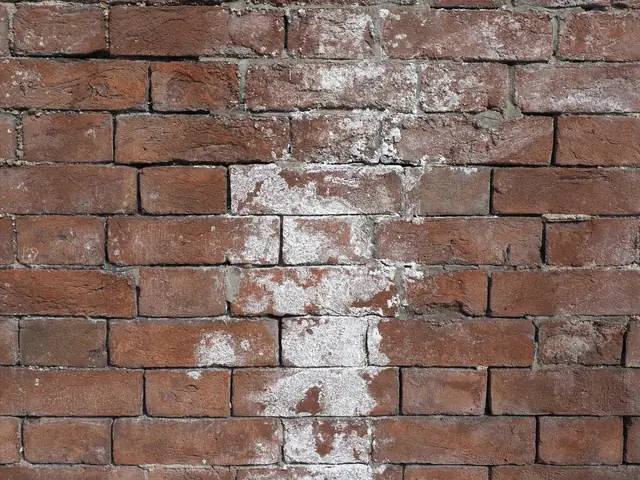
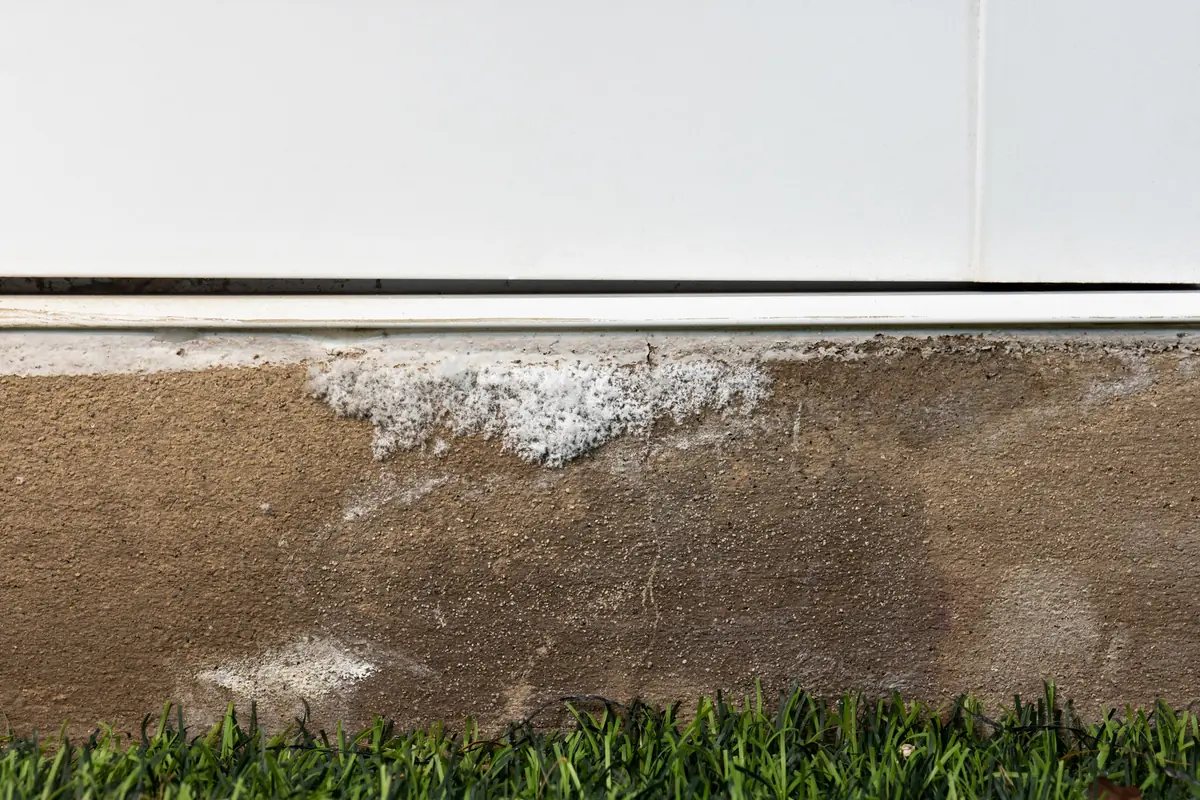
The most common sign is efflorescence, a white, powdery deposit on the surface of the masonry.
- Damp patches: persistent dampness on walls, especially near the base.
- Flaking or spalling: the surface of the masonry starts to flake or crumble.
- Staining: discolouration of the masonry surface.
How are salts in masonry tested?
Three tests can be used to confirm their presence.
| Test | What it shows |
|---|---|
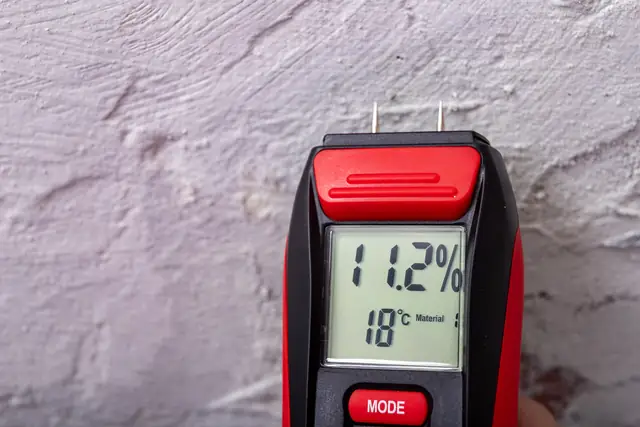
| Moisture meter | High readings within the masonry, which can indicate potential salt presence |
| Chemical analysis | The specific types of salt present, from samples of the efflorescence |
| Electrical conductivity test | The electrical conductivity of the masonry, which increases when salts are present |
What damage do salts cause?
Salts can cause significant structural damage, as well as cosmetic damage and health concerns linked to damp.
Structural damage
- Crystallisation pressure: salts crystallising within the pores exert pressure that can lead to cracking and spalling.
- Corrosion: salts can accelerate corrosion of metal components within the masonry, such as wall ties and reinforcement bars.
- Freeze-thaw damage: in colder climates, salts can make freeze-thaw cycles worse, leading to further deterioration.
Cosmetic damage
- Efflorescence can be unsightly and difficult to remove.
- Salts can cause permanent discolouration of the masonry.
Health concerns
- Persistent dampness can promote mould growth, which can cause respiratory problems and allergies.
How are salt problems in masonry fixed?
The first step is to identify and eliminate the source of moisture; only then should existing salts be removed.
Step 1: Identify and eliminate the source of moisture
- Check for leaks in the roof, gutters and plumbing.
- Improve drainage so the ground around the building slopes away and water does not accumulate.
- Consider a damp-proof course or membrane to prevent rising damp.
Step 2: Remove existing salts
- Brush off loose efflorescence with a stiff brush.
- Wash the affected area with clean water to dissolve and remove salts, avoiding excessive water, which can introduce more moisture.
What to look for when viewing
- White, powdery deposits on brick or stone.
- Damp patches, especially near the base of walls.
- Flaking, crumbling or spalling masonry.
- Staining or discolouration.
- Leaking roofs, gutters or plumbing, and ground that does not slope away from the building.
- Mould growth inside.
What a survey can — and cannot — tell you
A building survey provides an informed assessment of the visible condition of a property. Inspections are non-intrusive and limited to areas that are accessible at the time of inspection.
Where salts are suspected, a survey helps by recording the visible signs and the likely sources of moisture feeding them.
- Efflorescence, staining, flaking and spalling.
- Damp patches, with moisture meter readings where appropriate.
- Visible leaks from roofs, gutters and plumbing.
- Ground levels and drainage around the building.
However, there are limitations to what a survey can determine without intrusive investigation.
- The specific types of salt present, which needs chemical analysis of samples.
- Corrosion of wall ties or other metal components hidden within the masonry.
- Damage within the pores of the masonry that is not visible at the surface.
Where higher-risk indicators are identified, further specialist or intrusive investigation may be recommended.
Frequently asked questions
What is the white powder on brick walls?
It is usually efflorescence, a white, powdery deposit left when water carrying dissolved salts evaporates at the surface.
Which salts are found in masonry?
Chlorides, nitrates and sulphates.
Can salts damage a wall structurally?
Yes. Crystallisation pressure can lead to cracking and spalling, and salts can accelerate the corrosion of wall ties and reinforcement bars.
How do you get rid of salts on brickwork?
First identify and eliminate the source of moisture, then brush off loose efflorescence and wash the area with clean water, avoiding excessive water.
Do salts in masonry affect health?
The damp conditions associated with them can promote mould growth, which can cause respiratory problems and allergies.