
What is subsidence?
Subsidence is the downward movement of the ground supporting a building, which can lead to structural damage. It can cause fissures and structural instability, harm the appearance of a property and reduce its market value.
It can be caused by soil type, water content and human activities, and it is influenced by many other elements, from climatic conditions to nearby vegetation. Two components, though, mainly decide how susceptible a building is: the type of soil it is built on and the type of foundation it is built upon.
Which soil types carry the highest subsidence risk?
Clay and peat soils carry the highest subsidence risk; loam carries the lowest, and sandy and silt soils sit between. Soil types found in the UK include clay, loam, sandy and chalky soils, as well as silt and peat. A soilscape is the set of soil types found in a particular area.
| Soil type | Main characteristics | Effect on subsidence risk |
|---|---|---|
| Clay | Dense and compact, highly plastic, retains a large amount of water | Notorious for subsidence: shrinks when dry and swells when wet, causing seasonal ground movement |
| Sandy | Larger particles, good drainage, low cohesion, easily eroded by wind and water | Less risk than clay, but erosion can undermine foundations and the soil can compact under heavy loads |
| Silt | Smaller particles than sand, moderate water retention and cohesion, smooth texture | Can become waterlogged and unstable, and can compact under heavy loads |
| Loam | A balanced mix of sand, silt and clay, with good structure and drainage | Low risk, though large trees can still affect it by extracting water |
| Peat | Decomposed organic matter found in wetland areas, with high water content | High risk: highly compressible and can settle significantly under load |
Clay soils
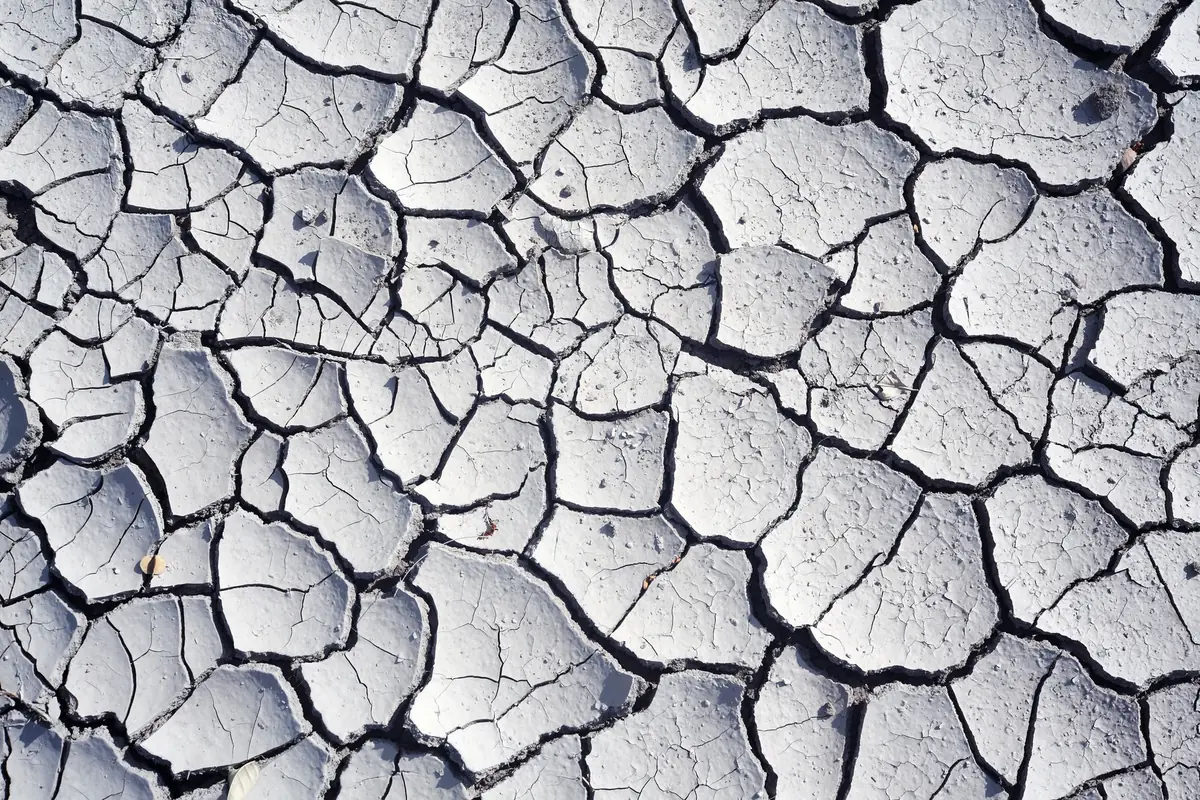
Clay soils have high plasticity, meaning they change shape and volume when wet or dry. They hold a large amount of water, which makes them swell, and shrink again when dry.
- Seasonal movement: the shrink-swell behaviour leads to seasonal ground movement that can damage buildings.
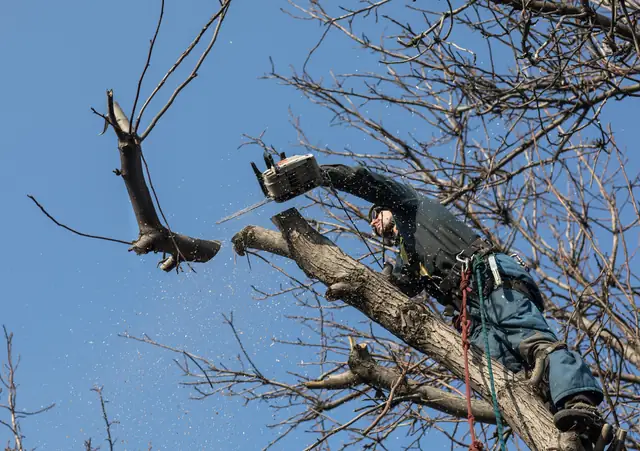
- Tree influence: trees and large shrubs make the problem worse by extracting water from the soil, leading to further shrinkage.
Sandy soils
Sandy soils drain water efficiently, which prevents significant volume change with moisture and reduces the risk of waterlogging. Their particles do not stick together well, which makes the soil less stable.
- Erosion: the loose nature of sandy soils can lead to erosion that undermines foundations.
- Compaction: sandy soils can compact under heavy loads, causing ground settlement and potential subsidence.
Silt soils
Silt soils hold more water than sandy soils but are not as prone to swelling as clay. They are more cohesive than sand and less cohesive than clay. They can become waterlogged, leading to ground instability, and can compact under heavy loads.
Loam soils
Loam is a balanced mixture of sand, silt and clay, giving good drainage, water retention and a stable structure that reduces erosion. It is fertile and well suited to construction. While generally stable, it can still be affected by large trees extracting water.
Peat soils
Peat soils are rich in organic matter, hold a large amount of water and are highly compressible. That makes them highly prone to subsidence, and they can also become waterlogged, leading to ground instability.
Seen cracks at a home you are buying? Get a survey price for the home you are buying.
What are the main types of foundation?
Foundations fall into two main types: shallow foundations and deep foundations.
| Foundation type | Examples | When used |
|---|---|---|
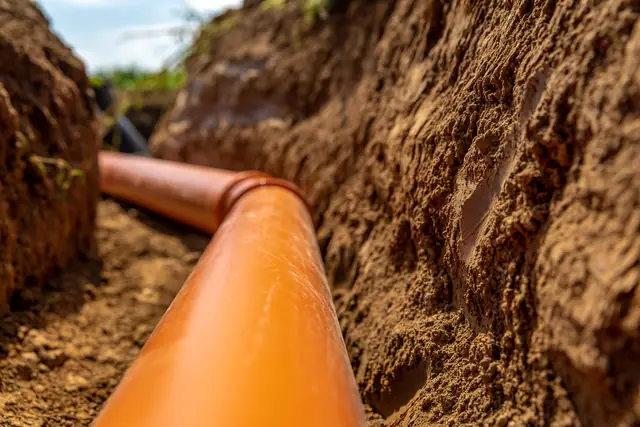
| Shallow | Pad, strip and raft foundations, generally laid no more than 3 metres below the ground surface | Where hard soil strata are available at shallow depth, the imposed load is relatively small, or site constraints prevent deep foundations |
| Deep | Pile and pier foundations | To transfer loads to deeper, more stable soil strata, bypassing weaker or more compressible soils near the surface; often used for larger buildings with significant loads |
How do soil and foundation types combine to affect risk?
The combination of soil type and foundation type largely determines how susceptible a building is to subsidence.
- Shallow foundations on expansive clay: often a risky combination, because the stability of clay changes greatly with its moisture content, which can cause serious structural problems.
- Deep pile foundations on clay: often the suitable choice, because the piles reach down into stable strata and reduce the risk of movement from the clay swelling and shrinking.
- Shallow foundations on loam or sandy soils: strip or raft foundations on these well-draining soils generally reflect lower subsidence risk.
How is subsidence risk assessed?
Subsidence risk is assessed in five steps: a soil survey, analysis of the soil, a review of environmental factors, an assessment of the foundations and, where the risk is high, mitigation measures.
- Conduct a soil survey. A qualified geotechnical engineer or soil scientist collects samples from various depths and locations on the property, and a laboratory analyses their composition, moisture content and other properties.
- Analyse the soil characteristics. Key factors are the plasticity index (the soil's ability to change shape and volume with moisture), the moisture content and the shrink-swell potential.
- Evaluate environmental factors. The local climate and its effect on soil moisture, trees and large shrubs that can extract water from the soil, and the depth of the water table all affect the overall risk.
- Assess the foundations. This means identifying the foundation type (for example shallow, deep or piled), inspecting its condition for signs of damage or deterioration, and checking that it is deep enough to reach stable soil layers.
- Implement mitigation measures where the risk is high.
How can subsidence risk be reduced?
Where an assessment reveals a high risk of subsidence, three kinds of measure are used:
- Soil stabilisation: soil compaction, grouting or chemical stabilisation to improve soil stability.
- Foundation reinforcement: underpinning, or piles to reach stable soil layers.
- Water management: drainage systems to control water levels and prevent waterlogging.
What a survey can — and cannot — tell you
A building survey provides an informed assessment of the visible condition of a property. Inspections are non-intrusive and limited to areas that are accessible at the time of inspection.
Because the interplay between soil type, foundation type and subsidence risk is complex, professional assessment matters before a purchase. A surveyor can look for the visible effects of ground movement and the conditions around a building that raise the risk, and advise on suitable next steps.
- Signs of damage associated with subsidence, such as fissures and structural instability.
- Trees and large shrubs near the building that can extract water from the soil.
- Visible signs of damage or deterioration linked to the foundations.
- Drainage and waterlogging around the property.
However, there are limitations to what a survey can determine without intrusive investigation.
- Soil samples from different depths and locations, and their laboratory analysis, need a geotechnical engineer or soil scientist.
- Plasticity index, moisture content and shrink-swell potential are measured on soil samples, not by visual inspection.
- Foundation type and depth cannot be confirmed without exposing them.
- The depth of the water table needs separate investigation.
Where higher-risk indicators are identified, further specialist or intrusive investigation may be recommended.
Frequently asked questions
Which soil type is most prone to subsidence?
Clay soils are notorious for subsidence because they shrink when dry and swell when wet. Peat soils are also highly prone because they are highly compressible and settle significantly under load.
Is sandy soil safe from subsidence?
Sandy soil poses less risk than clay because it drains well, but it is not risk-free. It can erode and undermine foundations, and it can compact under heavy loads.
Why do trees increase subsidence risk?
Trees and large shrubs extract water from the soil, which causes further shrinkage in clay. Even generally stable loam soils can be affected by large trees.
How deep are shallow foundations?
Shallow foundations, which include pad, strip and raft foundations, are generally laid no more than 3 metres below the ground surface.
Who carries out a soil survey?
A qualified geotechnical engineer or soil scientist, who collects samples from various depths and locations and has them analysed in a laboratory.