
What counts as a period property?
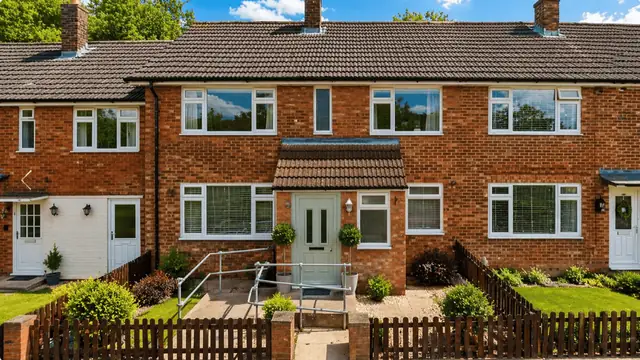
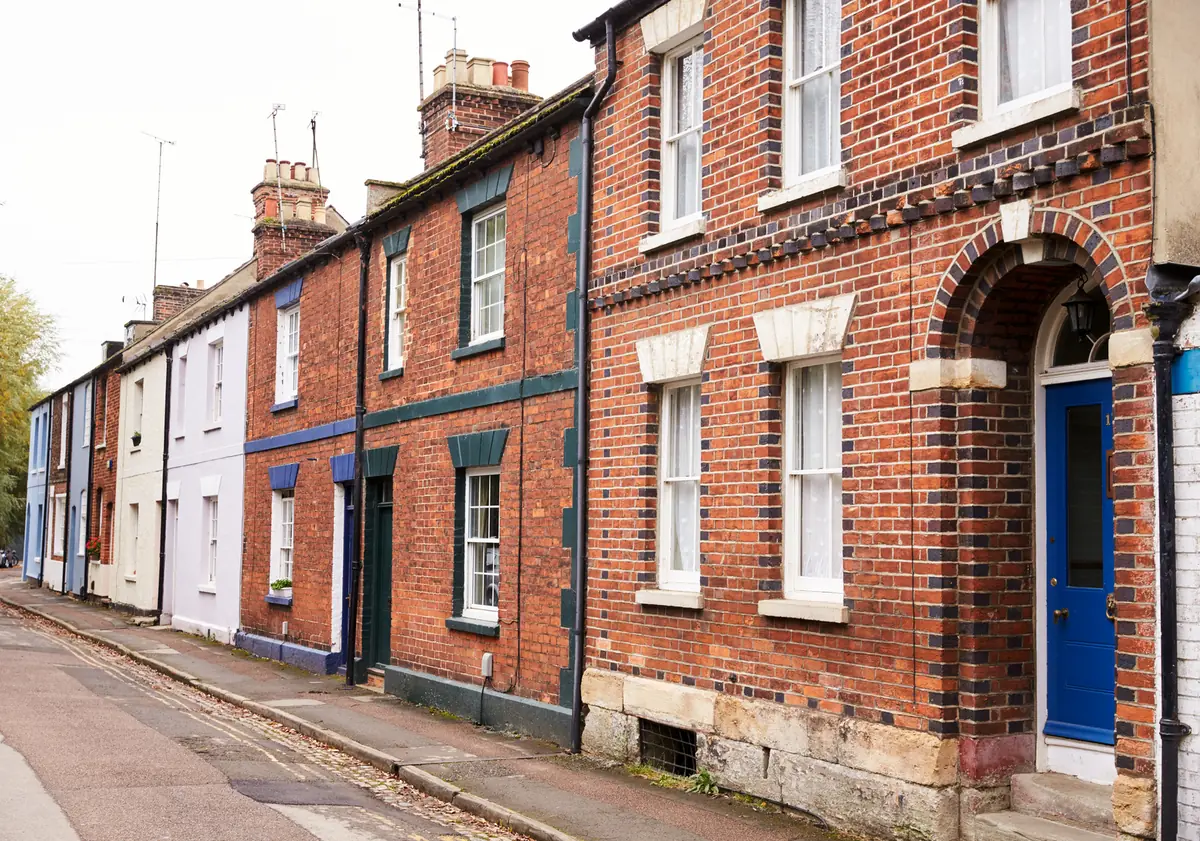
A period property is one typically built before the 1940s, covering architectural styles including Georgian, Victorian and Edwardian. These homes are valued for their charm and historical significance, but their age and construction bring a particular set of defects that a buyer should understand before purchase.
Buying an older home? Get a survey price for the home you are buying.
1. What damp problems affect period properties?
Period properties are prone to three kinds of damp: rising damp, penetrating damp and condensation.
- Rising damp: moisture from the ground rising through the walls by capillary action. It is common in properties built before the widespread use of damp-proof courses (DPCs), which stop ground moisture rising. Signs include tide marks on walls, peeling paint and a musty smell.
- Penetrating damp: water getting in through walls, roofs or windows, often due to defective gutters or downpipes or poor maintenance. Signs include damp patches on walls, mould growth, and damage to plaster and timber.
- Condensation: water droplets on windows and walls, often made worse by poor ventilation, leading to mould growth and potential health hazards.
2. What structural movement occurs in period properties?
The three forms of structural movement are subsidence, heave and settlement, and all can show as cracking.
- Subsidence: the ground beneath a property sinks, so the building settles unevenly, causing cracks in walls, floors and ceilings.
- Heave: the opposite of subsidence, where the ground beneath a property rises. It can be caused by the removal of trees or changes in soil moisture levels. Signs include cracks in walls and floors, and doors and windows that no longer fit properly.
- Settlement: some settlement of a building is normal, but excessive movement can cause structural damage. Period properties with shallow foundations are particularly at risk.
3. What timber decay is found in period properties?
Dry rot, wet rot and woodworm are the three main forms of timber decay, and properties with moisture issues are most vulnerable.
| Defect | What it is | Signs |
|---|---|---|
| Dry rot | A fungal decay that makes timber brittle and crumbly; thrives in damp, poorly ventilated conditions | Musty smell, deep cracks in timber, fungal growth |
| Wet rot | Timber decay caused by prolonged exposure to moisture, leaving timber soft and spongy | Damp smell, discoloured timber, fungal growth |
| Woodworm | A term for a variety of wood-boring insects that infest timber | Small round holes in wood, fine powdery dust, weakened timber |
4. What roof defects are common in period properties?
The common roof defects are missing or broken tiles, failing lead flashing and sagging roofs.
- Missing or broken tiles: period roofs are often slate or clay tiles, which can become damaged or dislodged over time, letting water in and damaging the interior.
- Lead flashing: flashing is the lead used to seal joints and keep water out. It can deteriorate, and cracked or missing flashing causes leaks and water damage.
- Sagging roofs: often caused by deterioration of the roof timbers, which can lead to structural instability and potential collapse if not addressed.
5. Why are period properties poorly insulated?
Many period properties lack adequate loft insulation, have solid walls and suffer from draughts.
- Loft insulation: inadequate insulation causes significant heat loss and higher energy bills. Insulating the loft can improve energy efficiency and reduce heating costs.
- Solid walls: these retain heat less well than modern cavity walls. Insulating them can be challenging and may need specialist techniques to avoid damaging the property's character.
- Draughts: common around windows and doors. Sealing gaps and fitting draught excluders can improve comfort and energy efficiency.
6. What electrical issues do period properties have?
The usual electrical issues are outdated wiring, too few power outlets and inadequate earthing.
- Outdated wiring: may not meet current safety standards, can pose a fire risk and may need replacing.
- Insufficient power outlets: older properties may have fewer outlets than modern homes, and adding more may require rewiring.
- Inadequate earthing: a common issue that poses a significant safety risk. A properly earthed electrical system is essential for safety.
7. What plumbing problems are found in period properties?
The main plumbing problems are lead pipes, old boilers and poor water pressure.
- Lead pipes: still present in many period properties and a health risk through lead contamination of drinking water. Replacement with modern alternatives is recommended.
- Old boilers: often less efficient and more prone to breakdowns. A modern, energy-efficient boiler can improve heating performance and reduce energy bills.
- Poor water pressure: often due to outdated plumbing systems. Upgrading the plumbing can improve pressure and performance.
8. What window and door issues affect period properties?
Single glazing, rotting frames and sticking doors and windows are the common issues.
- Single glazing: less effective at insulating against heat loss and noise. Double or triple glazing can improve energy efficiency and comfort.
- Rotting frames: timber window and door frames are prone to rot, particularly if not properly maintained. Repair or replacement prevents further damage.
- Sticking doors and windows: often due to structural movement or swelling of timber. Proper maintenance and dealing with the underlying issue can resolve this.
9. How do listed status and conservation areas affect a period property?
Listing and conservation area rules restrict alterations and repairs, and repairs often need specialist skills and materials.
- Listed buildings: some period properties are listed, meaning they are protected by law for their historical or architectural significance. Alterations and repairs can need special permissions and must follow specific guidelines.
- Conservation areas: additional regulations aim to preserve the character of the area. These can affect what changes can be made and may require planning permission for certain works.
- Specialist repairs: repairs and maintenance often need specialist skills and materials to preserve character and comply with regulations, increasing cost and complexity.
10. Can period properties contain asbestos?
Yes. Asbestos was commonly used in building materials until the late 20th century, and period properties may contain it in insulation, roofing, flooring and other materials.
If asbestos is suspected, a professional asbestos survey should be carried out to assess the risk and decide the appropriate course of action.
What to look for when viewing
Roof
- Missing or broken tiles, sagging areas and signs of water ingress.
- The condition of lead flashing.
- Whether gutters and downpipes are clear and working properly.
Walls and foundations
- Signs of rising damp, penetrating damp and structural movement.
- Cracks, bulging or leaning walls, which may indicate subsidence or heave.
- The condition of the foundations, if visible.
Timber and joinery
- Signs of dry rot, wet rot and woodworm, especially in poorly ventilated or damp areas.
- The condition of window and door frames.
Services
- Outdated wiring, too few power outlets and signs of inadequate earthing.
- Lead pipes, an old boiler and poor water pressure.
Insulation and ventilation
- The insulation in the loft and walls.
- Draughts around windows and doors.
- Whether ventilation is adequate to prevent condensation and moisture problems.
What to do next
- If the property is listed or in a conservation area, research the regulations and restrictions that apply, and obtain the necessary permissions before any alterations or repairs.
- Check that the electrical and plumbing systems meet current safety standards.
- If asbestos is suspected, arrange a professional survey to identify and assess the risk, and have any asbestos-containing materials safely managed or removed by suitably qualified professionals.
- Plan for specialist skills and materials where repairs need to preserve the property's character.
What a survey can — and cannot — tell you
A building survey provides an informed assessment of the visible condition of a property. Inspections are non-intrusive and limited to areas that are accessible at the time of inspection.
In a period property, a thorough inspection looks across all ten defect groups, so a buyer understands the issues before committing to the purchase.
- Visible signs of rising damp, penetrating damp and condensation.
- Cracks, bulging or leaning walls that may indicate movement.
- Visible signs of rot and woodworm in accessible timbers.
- The condition of roof coverings, flashing, gutters and downpipes.
- Single glazing, rotting frames and sticking doors and windows.
- Visible indications of outdated electrical and plumbing installations.
However, there are limitations to what a survey can determine without intrusive investigation.
- Identifying asbestos requires specialist knowledge and testing.
- Foundations can only be assessed where they are visible.
- Timber hidden beneath floors or behind finishes cannot be checked for rot or woodworm without opening up.
- Whether wiring and earthing meet current safety standards cannot be confirmed from a visual inspection alone.
Where higher-risk indicators are identified, further specialist or intrusive investigation may be recommended.
Frequently asked questions
What age is a period property?
Period properties are typically built before the 1940s and include Georgian, Victorian and Edwardian styles.
What are the signs of rising damp?
Tide marks on walls, peeling paint and a musty smell. It is common in properties built before the widespread use of damp-proof courses.
What is the difference between dry rot and wet rot?
Dry rot is a fungal decay that makes timber brittle and crumbly and thrives in damp, poorly ventilated conditions. Wet rot is caused by prolonged exposure to moisture and leaves timber soft and spongy.
What causes heave?
Heave is the ground beneath a property rising, and it can be caused by the removal of trees or changes in soil moisture levels.
Should lead pipes be replaced?
Yes. Lead pipes can contaminate drinking water with lead, and replacing them with modern alternatives is recommended.
Why do doors and windows stick in older houses?
Usually because of structural movement or swelling of timber. Maintenance and dealing with the underlying issue can resolve it.