

- Guides
- In situ concrete
Non-traditional construction
In situ concrete houses
Homes whose walls were cast in concrete on site, between temporary shuttering. 58 house types, each with how it was built, what to look out for and what it means when you buy.
Not sure which type yours is? Try the free House Type Check
- 58 house types
- Updated July 2026
House types A to Z
A
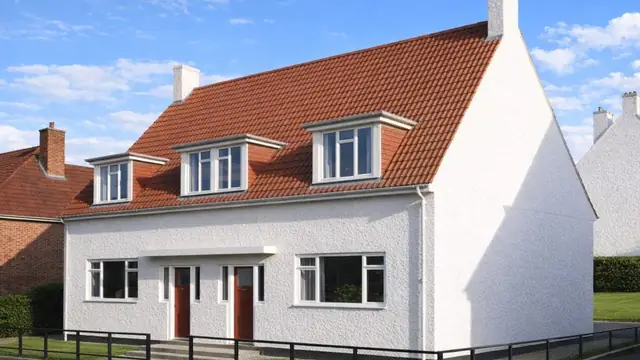 In situ concrete
The Aberdeen Corporation House
The Aberdeen Corporation house is an in-situ reinforced concrete house designed by Aberdeen Corporation and built in 1939. It formed part of a wider effort to address housing…
5 min read
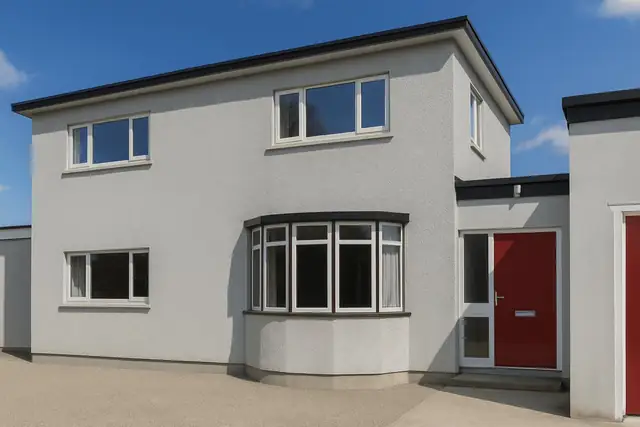 In situ concrete
The Alderton House
The Alderton house is an in-situ reinforced concrete house from the 1940s, designed by J S Alderton & Co. It was built at a time of significant housing shortage in the UK, when…
6 min read
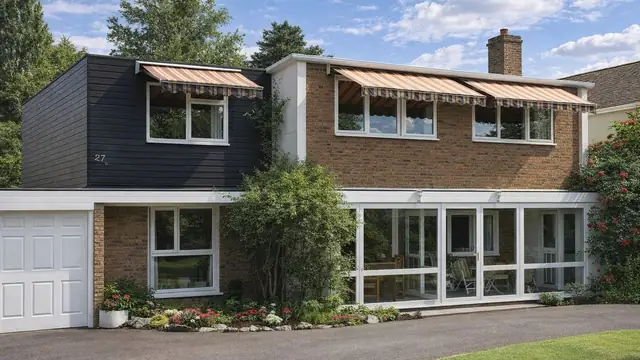 In situ concrete
The Arup House
The Arup house is a reinforced concrete house built in 1947, during the effort to address the UK's housing shortage after the Second World War. It was designed by Yorke Rosenberg…
6 min read
B
Flettons
Photograph to follow
In situ concrete
The Banton No-Fines House
The Banton No-Fines house is an in-situ concrete house built between 1954 and 1955, when there was strong demand in the UK for affordable housing that could be put up quickly. The…
5 min read
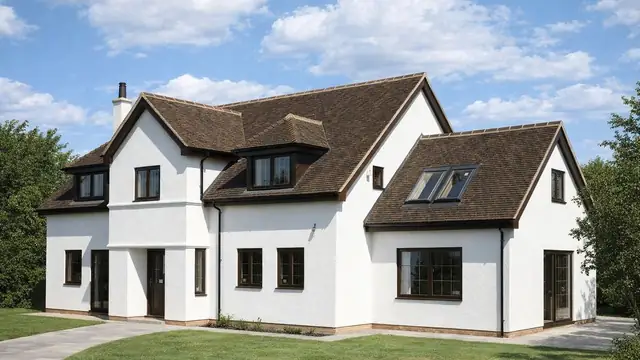 In situ concrete
The Beco Wallform House
The Beco Wallform house is an in-situ concrete house built from 1975 onwards. The system was designed by Beco Products Ltd and manufactured by Vencel Resil Ltd, and it is also…
6 min read
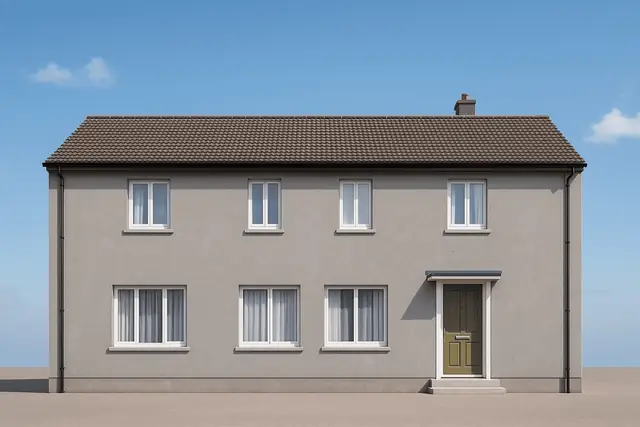 In situ concrete
The Blackburn No-Fines House
The Blackburn No-Fines house is a system-built, in-situ concrete house from the 1950s, a period of significant housing shortage in the UK when rapid construction methods were…
5 min read
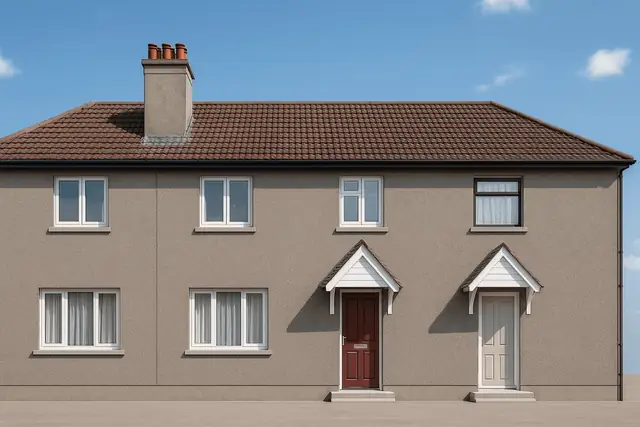 In situ concrete
The Boswell House
The Boswell house dates mainly from the 1920s. After the First World War there was a pressing need for affordable housing for a growing population and returning soldiers, and the…
6 min read
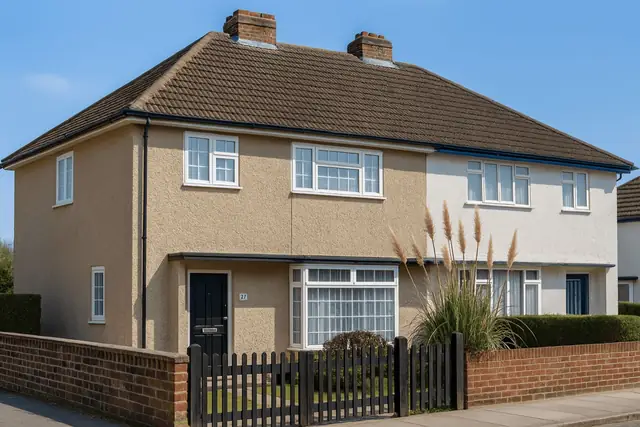 In situ concrete
The Boyd Gibbons No-Fines House
The Boyd Gibbons No-Fines house is an in-situ concrete house from the 1940s, part of the wider effort to meet the UK's post-war housing shortage. It was manufactured by Boyd…
5 min read
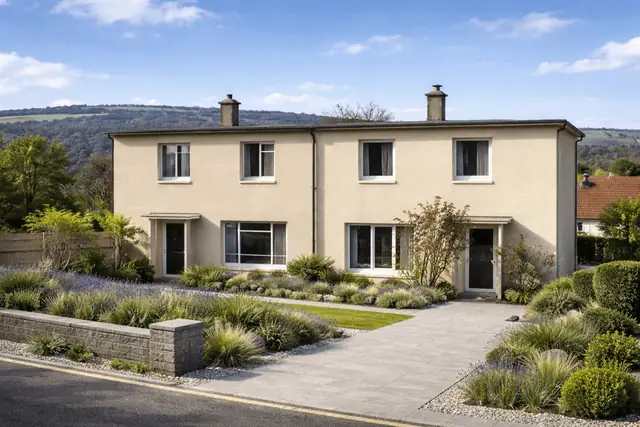 In situ concrete
The BRS Type 4 House
The BRS Type 4 house is a rare form of post-war non-traditional housing designed by the Building Research Station (BRS). Constructed between 1953 and 1956, only 60 examples were…
4 min read
 In situ concrete
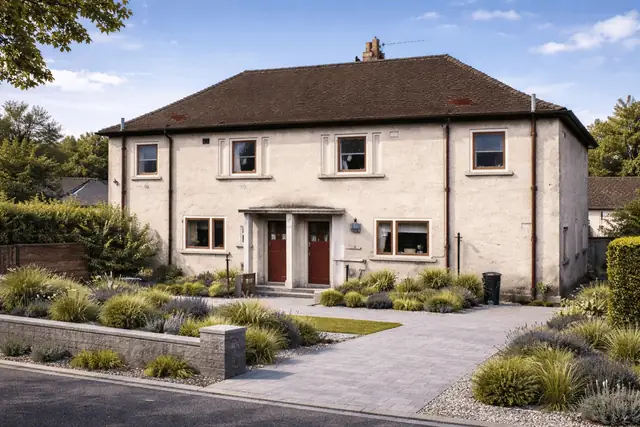
The Brydon No-Fines House
The Brydon No-Fines house is a rare non-traditional property type constructed in the 1940s in response to significant housing shortages following the Second World War. Built by…
4 min read
In situ concrete
The Beco Wallform House
The Beco Wallform house is an in-situ concrete house built from 1975 onwards. The system was designed by Beco Products Ltd and manufactured by Vencel Resil Ltd, and it is also…
6 min read
In situ concrete
The Blackburn No-Fines House
The Blackburn No-Fines house is a system-built, in-situ concrete house from the 1950s, a period of significant housing shortage in the UK when rapid construction methods were…
5 min read
In situ concrete
The Boswell House
The Boswell house dates mainly from the 1920s. After the First World War there was a pressing need for affordable housing for a growing population and returning soldiers, and the…
6 min read
In situ concrete
The Boyd Gibbons No-Fines House
The Boyd Gibbons No-Fines house is an in-situ concrete house from the 1940s, part of the wider effort to meet the UK's post-war housing shortage. It was manufactured by Boyd…
5 min read
In situ concrete
The BRS Type 4 House
The BRS Type 4 house is a rare form of post-war non-traditional housing designed by the Building Research Station (BRS). Constructed between 1953 and 1956, only 60 examples were…
4 min read
In situ concrete
The Brydon No-Fines House
The Brydon No-Fines house is a rare non-traditional property type constructed in the 1940s in response to significant housing shortages following the Second World War. Built by…
4 min read
C
Flettons
Photograph to follow
In situ concrete
The Concrete Frames House
The Concrete Frames house dates from 1945, when the UK faced a severe housing shortage after the Second World War and both government and the private sector were looking for…
6 min read
 In situ concrete
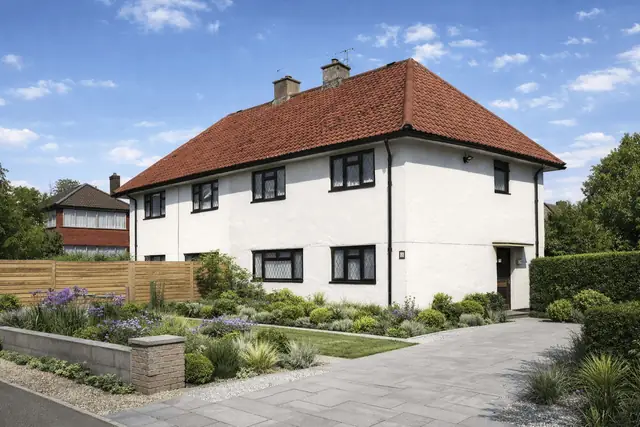
The Conslab House
The Conslab House is an extremely rare form of non-traditional housing developed during the 1950s as part of the post-war housing programme in the United Kingdom. Designed by P M…
4 min read
 In situ concrete
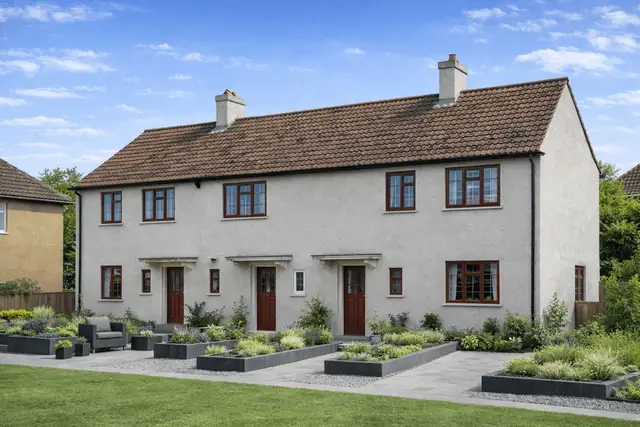
The Cook House
The Cook House is a rare system-built property manufactured by R Cook and Sons and designed by the architectural firms Clayton and Black, T Garratt and Son, and W H Overton…
4 min read
 In situ concrete
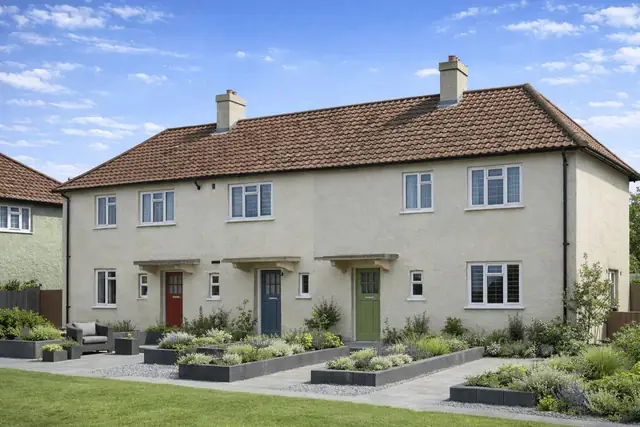
The Corolite House
The Corolite house is a system-built property manufactured by Corolite Construction Co. Ltd between 1923 and 1927. It was developed during a period of significant housing shortage…
4 min read
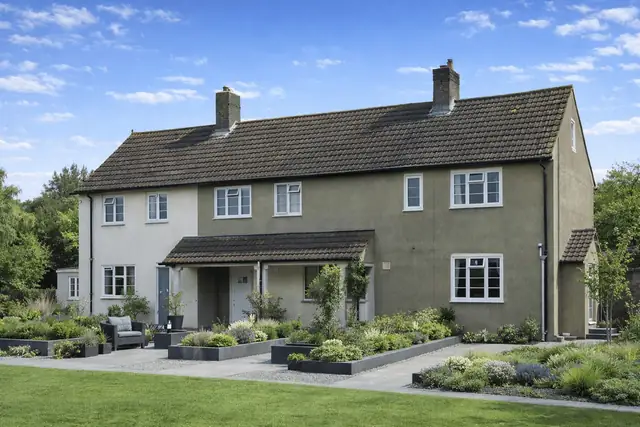 In situ concrete
The Corvus House
The Corvus house is a rare post-war non-traditional property manufactured by William Cowlin & Son Ltd and designed by N. Rooke. Constructed in 1946 in response to the acute…
4 min read
In situ concrete
The Conslab House
The Conslab House is an extremely rare form of non-traditional housing developed during the 1950s as part of the post-war housing programme in the United Kingdom. Designed by P M…
4 min read
In situ concrete
The Cook House
The Cook House is a rare system-built property manufactured by R Cook and Sons and designed by the architectural firms Clayton and Black, T Garratt and Son, and W H Overton…
4 min read
In situ concrete
The Corolite House
The Corolite house is a system-built property manufactured by Corolite Construction Co. Ltd between 1923 and 1927. It was developed during a period of significant housing shortage…
4 min read
In situ concrete
The Corvus House
The Corvus house is a rare post-war non-traditional property manufactured by William Cowlin & Son Ltd and designed by N. Rooke. Constructed in 1946 in response to the acute…
4 min read
D
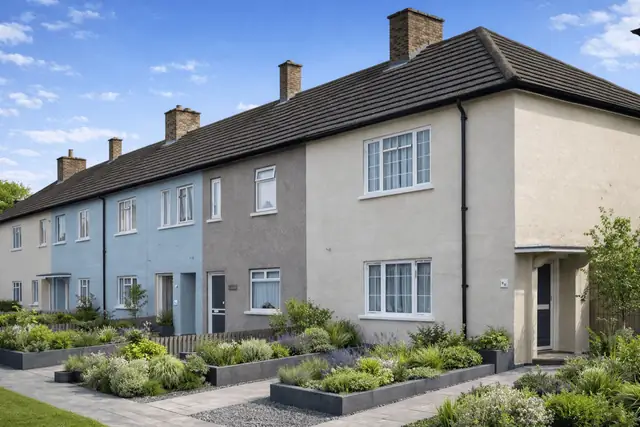 In situ concrete
The Dagenham Special House
The Dagenham Special house emerged in the 1920s during the post-World War I housing boom. Built primarily in Dagenham, East London, these properties formed part of the rapid…
4 min read
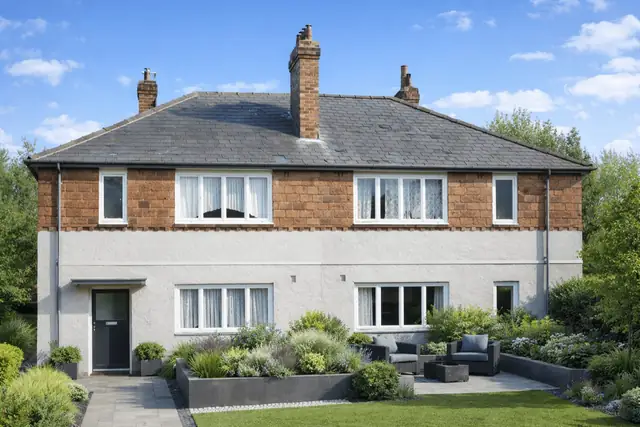 In situ concrete
The Diatomite House
The Diatomite house is a historically significant non-traditional property type that emerged during the 1920s as part of the post-First World War housing expansion in the UK…
4 min read
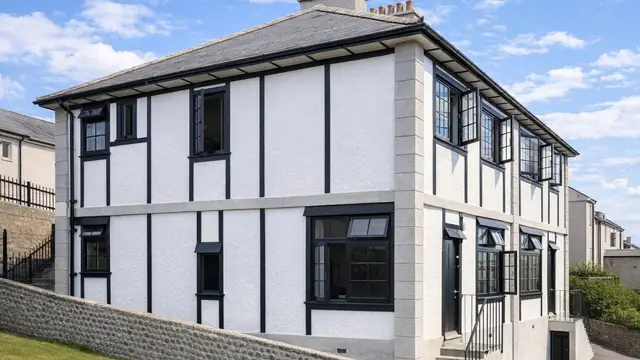 In situ concrete
The Doric House
The Doric house is a concrete system-built house from the 1920s, manufactured by the Modern Building Co. It was built at a time of significant demand for affordable housing in the…
5 min read
 In situ concrete
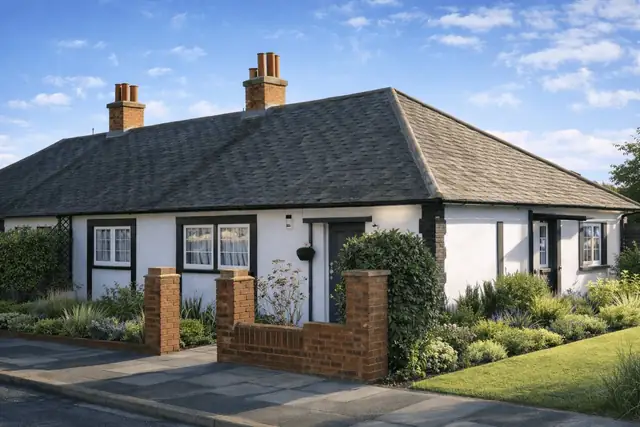
The Dry Walls House
Dry Walls houses were predominantly built in the 1920s. Designed by M Maberley-Smith and constructed by the Victoria Construction Co., they were typically developed as bungalows…
4 min read
 In situ concrete
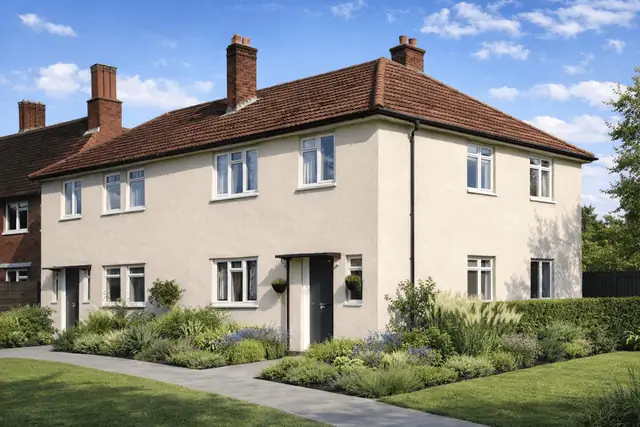
The Duo-Slab House
The Duo-Slab house, also known as the Airey house, forms part of the UK’s inter-war non-traditional housing stock. Designed by William Airey and manufactured by William Airey &…
4 min read
E
 In situ concrete
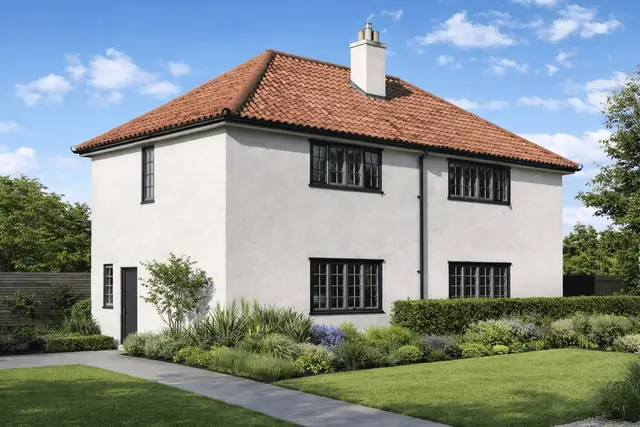
The Easiform Type 1 House
Easiform Type 1 houses were constructed between 1919 and 1928 in response to the significant housing shortage following the First World War. Built across urban and suburban…
4 min read
 In situ concrete
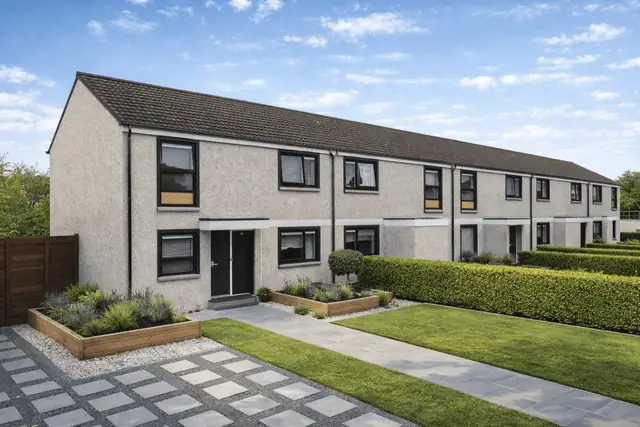
The Easiform Type 2 House
The Easiform Type 2 house, developed by J Laing Construction Ltd, represents a significant chapter in British system-built housing. Constructed between the 1920s and the 1970s…
4 min read
Flettons
Photograph to follow
In situ concrete
The Edinburgh Foamed Slag House
The Edinburgh Foamed Slag house is an in-situ concrete house built in 1944, at a time when demand for affordable, quickly constructed homes was at its height. Only two were ever…
5 min read
F
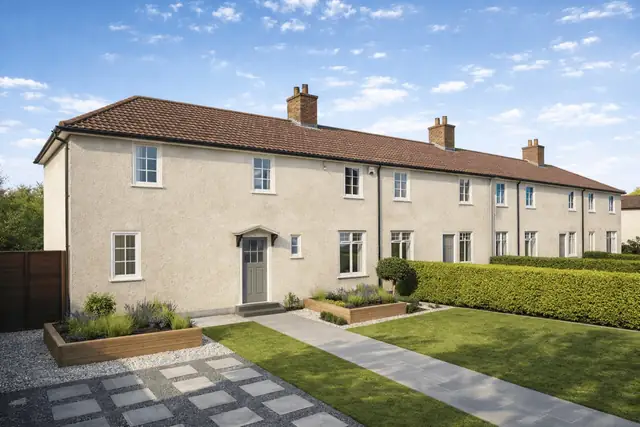 In situ concrete
The Farrans No-Fines House
The Farrans No-Fines house emerged during the 1960s as part of the wider post-war response to housing shortages across the UK. Constructed by Farrans Construction, these…
4 min read
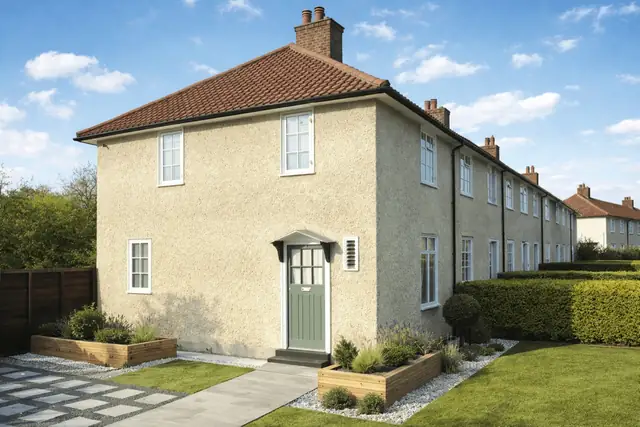 In situ concrete
The Fidler House
The Fidler House, designed by D.G. Fidler, is a notable example of early 20th-century British residential architecture. Constructed between 1926 and 1928, approximately 2,000 of…
4 min read
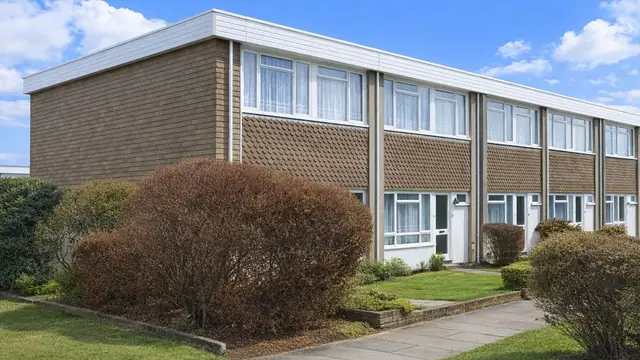 In situ concrete
The Firmcrete House
The Firmcrete house is a form of system-built property developed during the 1960s in response to post-war housing demand. Manufactured by Firmcrete (London) Ltd, approximately…
4 min read
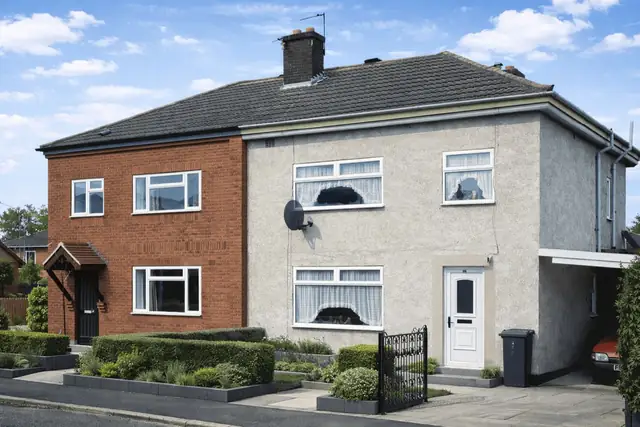 In situ concrete
The Foamed Slag House
The Foamed Slag house, also known as the No-Fines house, is a system-built property developed between 1946 and 1951 in response to significant post-war housing shortages in the…
4 min read
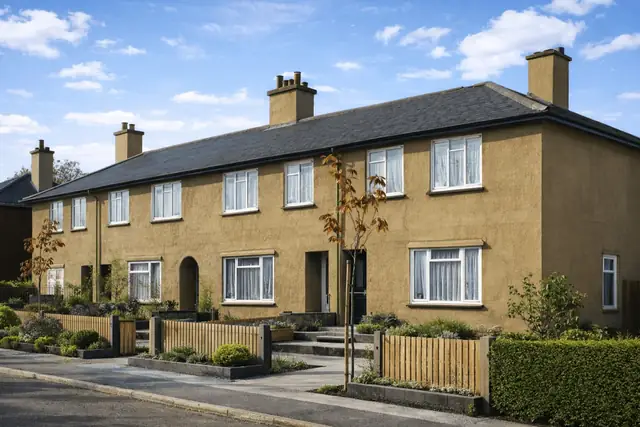 In situ concrete
The Forrester-Marsh House
The Forrester-Marsh house, also known as Edwards Construction, is a non-traditional property type that emerged in the 1920s. Designed and manufactured by Edwards Construction Co…
4 min read
L
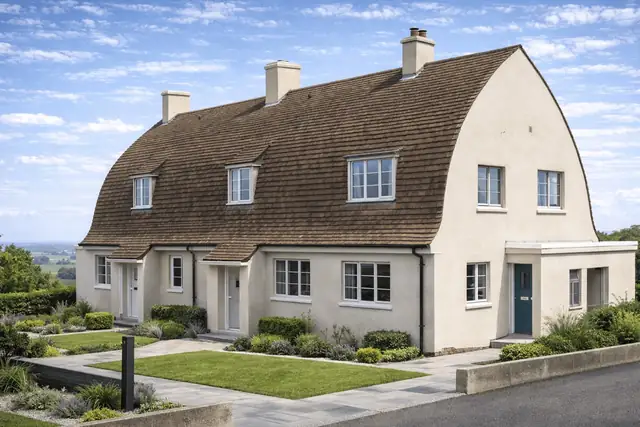 In situ concrete
The Lamella House
The Lamella House, also known as the Lamella Roofed Cottage, was manufactured by F Hills & Sons Ltd between 1946 and 1948. Developed during the post-war housing shortage, it…
4 min read
Flettons
Photograph to follow
In situ concrete
The Lowestoft Borough House
The Lowestoft Borough house is a concrete house built in the 1920s. It was designed by S W Mobbs and produced by Lowestoft Borough Council, the local authority responsible for a…
5 min read
M
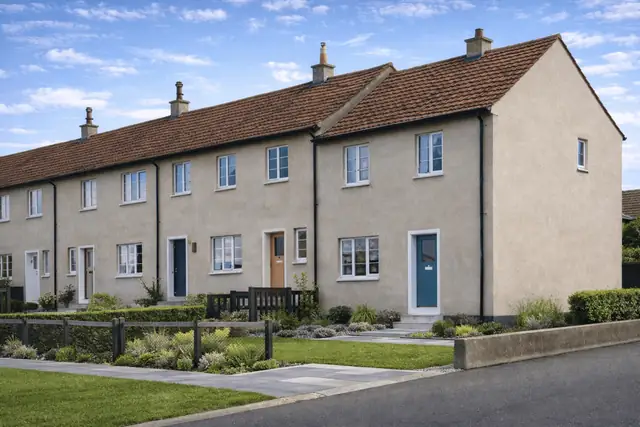 In situ concrete
The Maxim House
The Maxim House is a post-war system-built property manufactured by A A Stuart & Sons (Glasgow) Ltd between 1949 and 1954. Approximately 700 units were constructed, predominantly…
4 min read
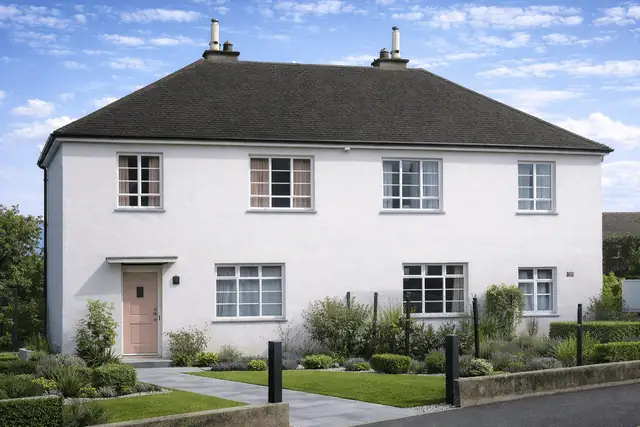 In situ concrete
The Miller No-Fines House
The Miller No-Fines house is a post-war form of non-traditional housing developed around 1950 in response to the acute housing shortage following the Second World War. Designed by…
4 min read
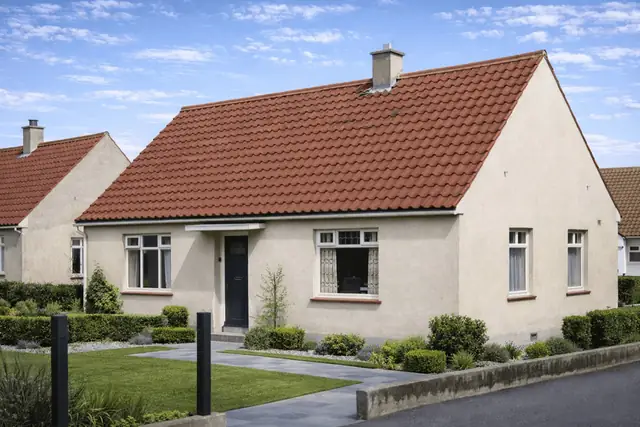 In situ concrete
The Miller Temporary Bungalow
The Miller Temporary Bungalow, also known as the Miller No-Fines or simply No-Fines, is a distinctive form of non-traditional housing manufactured by J Miller & Partners Ltd…
4 min read
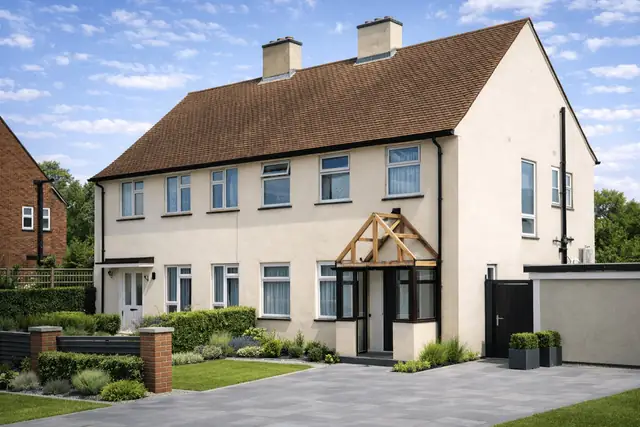 In situ concrete
The MOW Demonstration Expanded Clay House
The MOW Demonstration Expanded Clay house, also known as the Expanded Clay house, is a rare non-traditional property type in the UK. Designed by the Ministry of Works, these…
4 min read
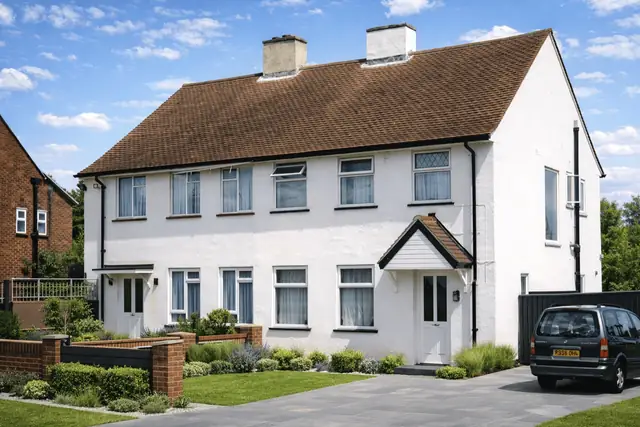 In situ concrete
The MOW Demonstration Foamed Slag House
The MOW Demonstration Foamed Slag house stands as a unique relic of post-war British architecture. Designed by the Ministry of Works in the 1940s, this property type is…
4 min read
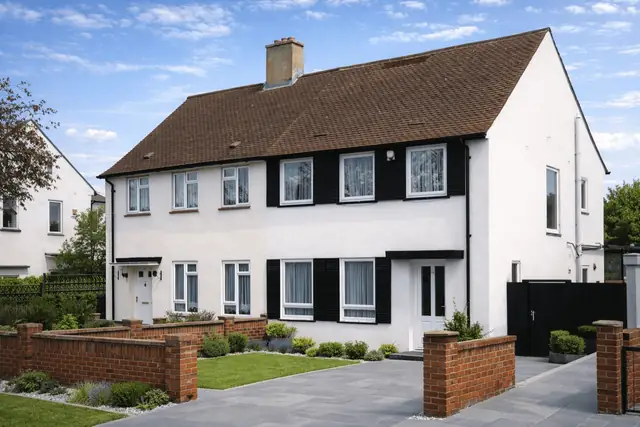 In situ concrete
The MOW Demonstration No-Fines House
The MOW Demonstration No-Fines house is a rare non-traditional property type developed in the 1940s by the Ministry of Works (MOW) as part of the post-war housing programme. Only…
4 min read
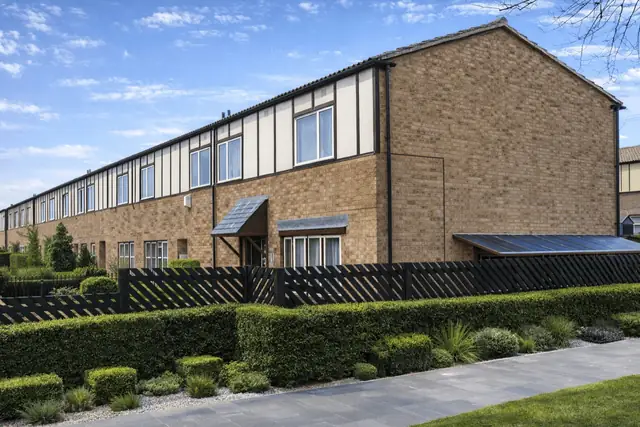 In situ concrete
The Mowlem House
The Mowlem house is a distinctive type of system-built property constructed between 1965 and 1981. Designed by Constructional Services Ltd and manufactured by Mowlem (Buildings)…
4 min read
P
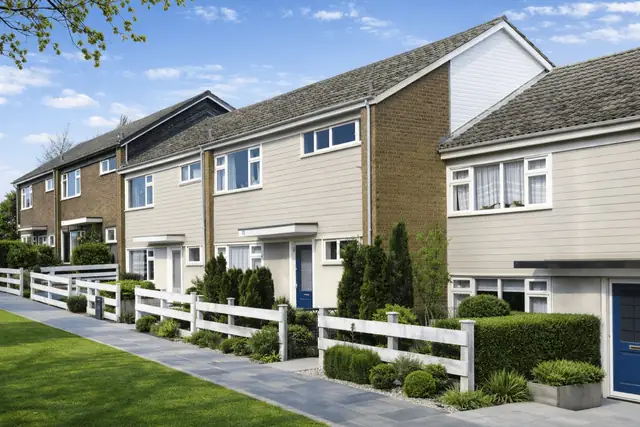 In situ concrete
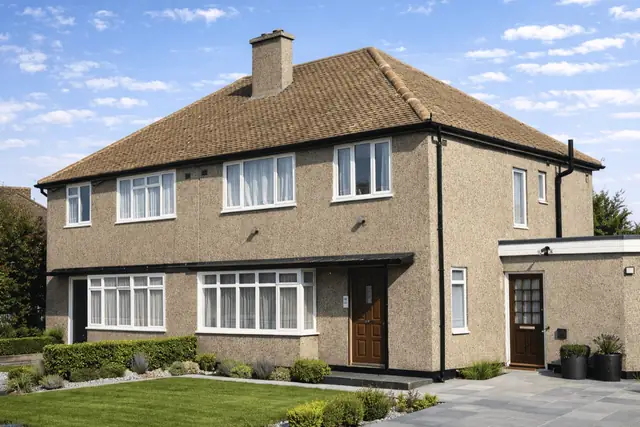
The Parkwall House
The Parkwall house, also known as the Lindsay Parkinson, Outinard Parkinson, or simply Parkinson house, is a system-built property developed during the 1960s. Manufactured by Sir…
4 min read
 In situ concrete
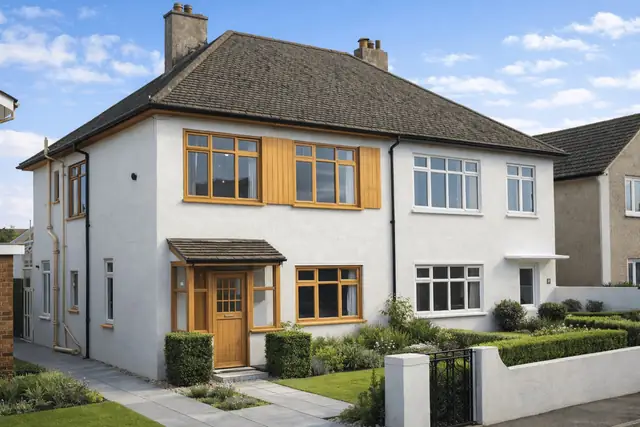
The Permacrete House
The Permacrete house, also known as Cemacrete and Cemalite, represents a distinctive form of 1940s non-traditional housing developed in response to acute post-war demand…
4 min read
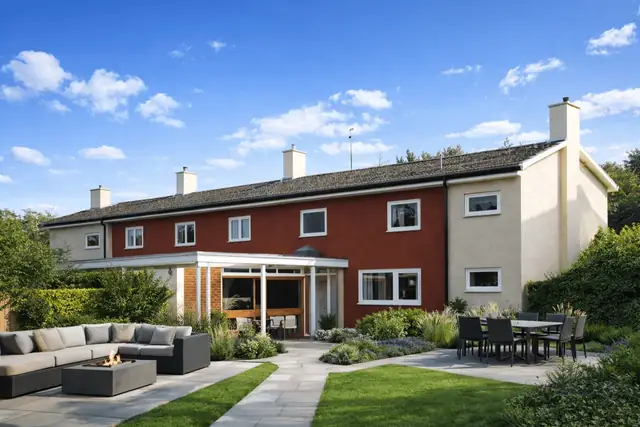
S
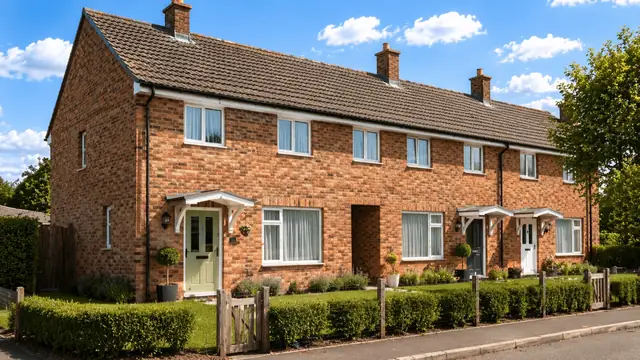 In situ concrete
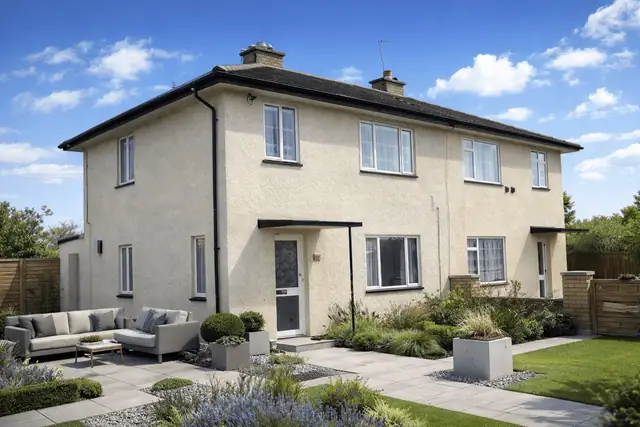
The Schindler House
The Schindler house, also known as the AW Hawksley SGS, is a historically significant post-war system-built property type in the UK. Built between 1949 and 1954, these homes were…
8 min read
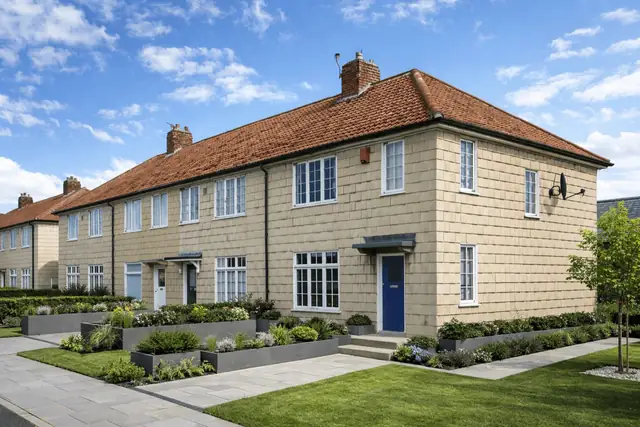 In situ concrete
The Solvyt House
The Solvyt house is a rare early non-traditional house type dating from 1927. Only 44 units were constructed, predominantly as two-storey semi-detached and terraced houses. These…
4 min read
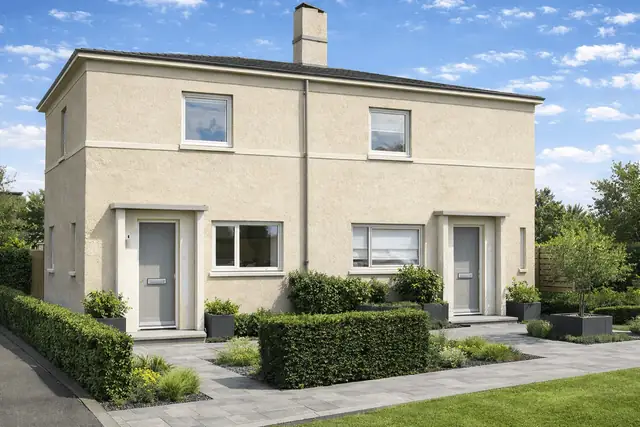 In situ concrete
The SSHA Wartime Cellular Concrete House
The SSHA Wartime Cellular Concrete house, also known as the SSHA No-Fines house, forms part of Britain’s wartime housing response, dating from 1940. These properties were…
4 min read
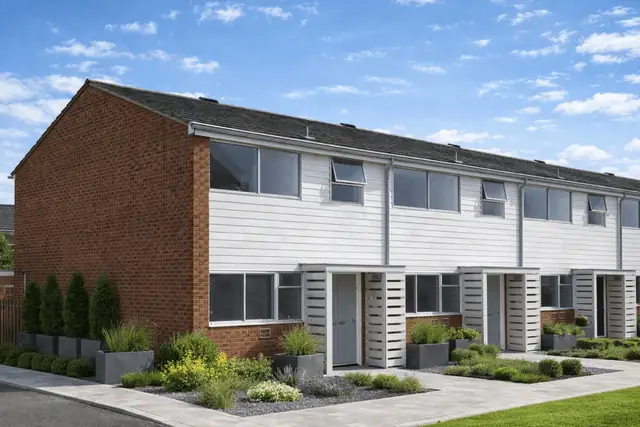 In situ concrete
The Sunskeeme House
When considering a property purchase in the UK, understanding different non-traditional construction types is important. The Sunskeeme house, also known as the Sunley System…
3 min read
U
 In situ concrete
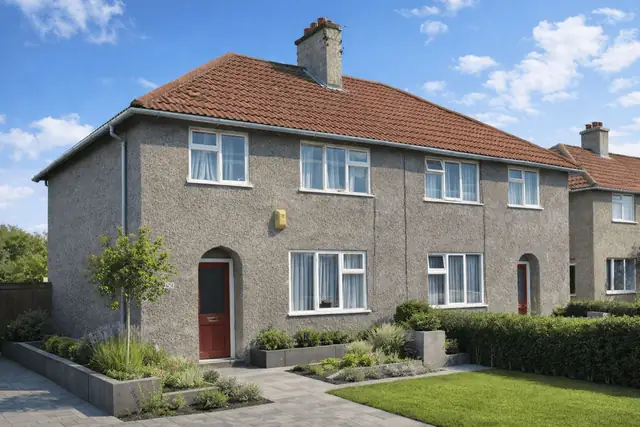
The Unit No-Fines House
The Unit No-Fines house is a form of system-built, non-traditional housing developed in the UK between 1927 and the 1950s. Its introduction coincided with periods of acute housing…
3 min read
 In situ concrete
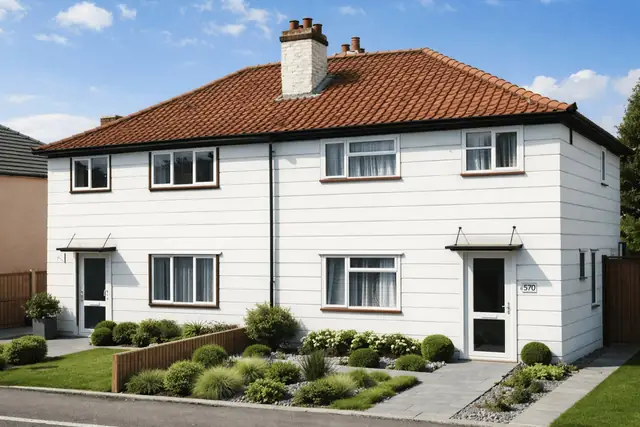
The Universal House
When considering a property purchase in the UK, understanding the construction and risks associated with non-traditional house types is essential. The Universal house is one such…
4 min read
W
 In situ concrete
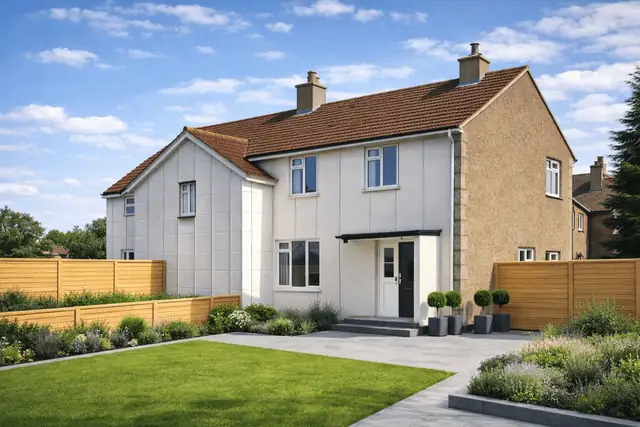
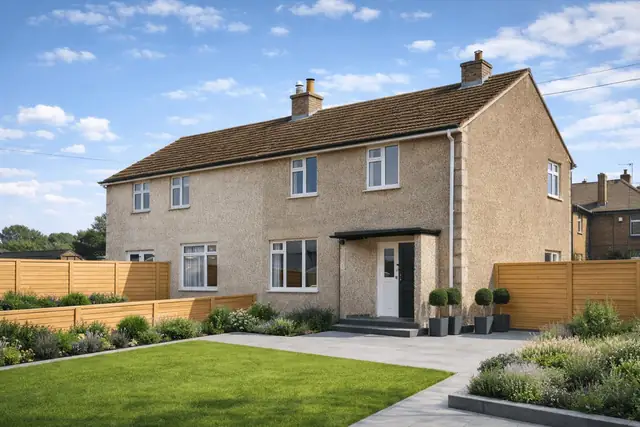
The Wakefield Special House
The Wakefield Special house is a form of early system-built housing developed during the 1920s in response to post-World War I housing shortages. These properties were intended to…
3 min read
 In situ concrete
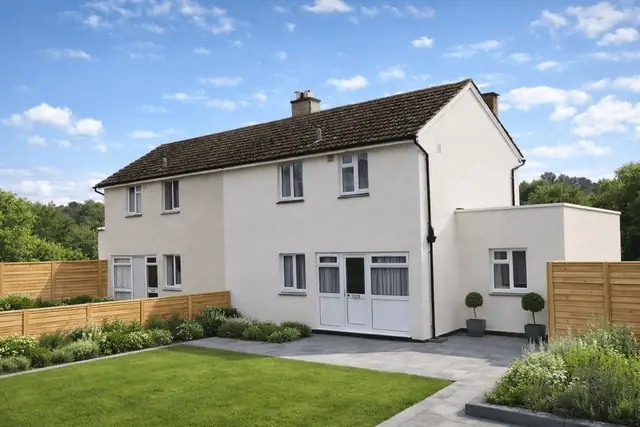
The War Office No-Fines House
The War Office No-Fines house is a rare and historically significant form of post-war housing developed in 1953. These properties were produced as part of a collaboration between…
3 min read
 In situ concrete
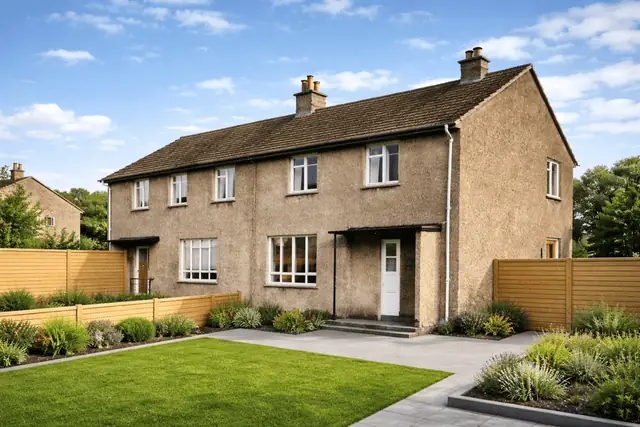
The Weir No-Fines House
The Weir No-Fines house is a relatively rare post-war non-traditional property type, developed between 1949 and the 1950s in response to acute housing shortages. The system was…
3 min read
 In situ concrete
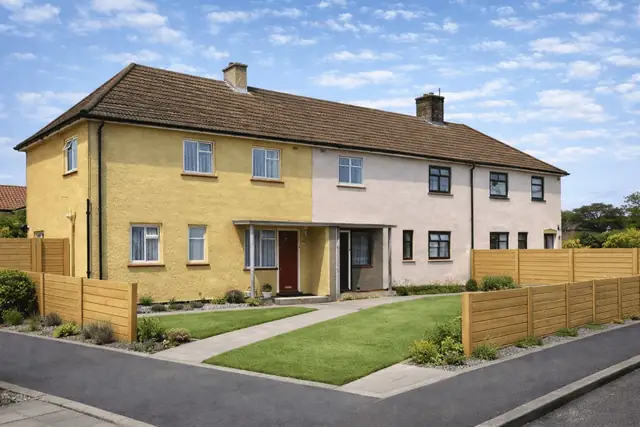
The Whatling House
When considering a property purchase in the UK, understanding the history, construction, and inherent risks of the building type is essential. The Whatling house is a…
4 min read
 In situ concrete
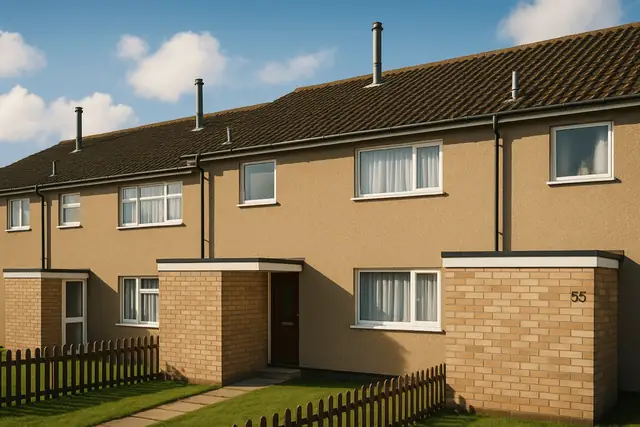
The Wimpey No-Fines House
The Wimpey No-Fines house is a form of post-war non-traditional housing developed in response to acute housing shortages following the Second World War. Constructed by George…
4 min read
No house type matches that search.
Try part of the name, such as “Airey” or “Reema”, or browse the families above.
Buying a non-traditional home?
See how it was built, and what it needs.
A Level 3 Building Survey looks closely at the structure and condition of the home, records what could and could not be seen, and sets out clear next steps by trade and timing.
Level 3 Building Survey From £595
- RICS-regulated firm of surveyors
- Condition ratings for every part of the home
- Plain-English advice on what to do next