
Why does a local surveyor matter?
Local knowledge helps a surveyor read a home in its setting. Housing stock, ground conditions and common defects differ from one area to the next, and a surveyor who inspects homes in the area every week knows what to look for.
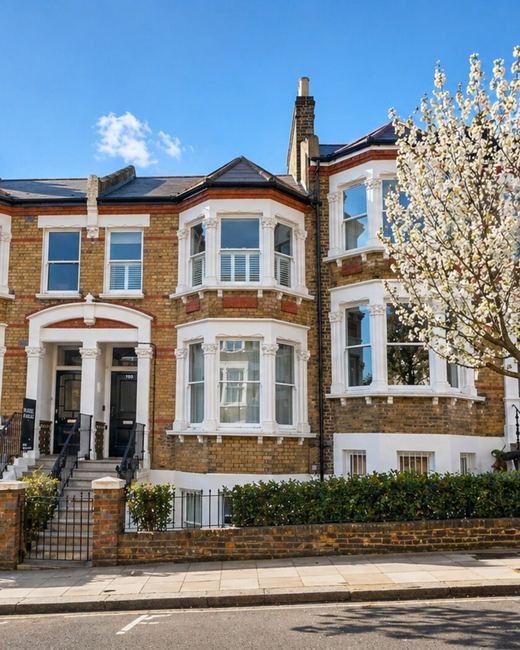
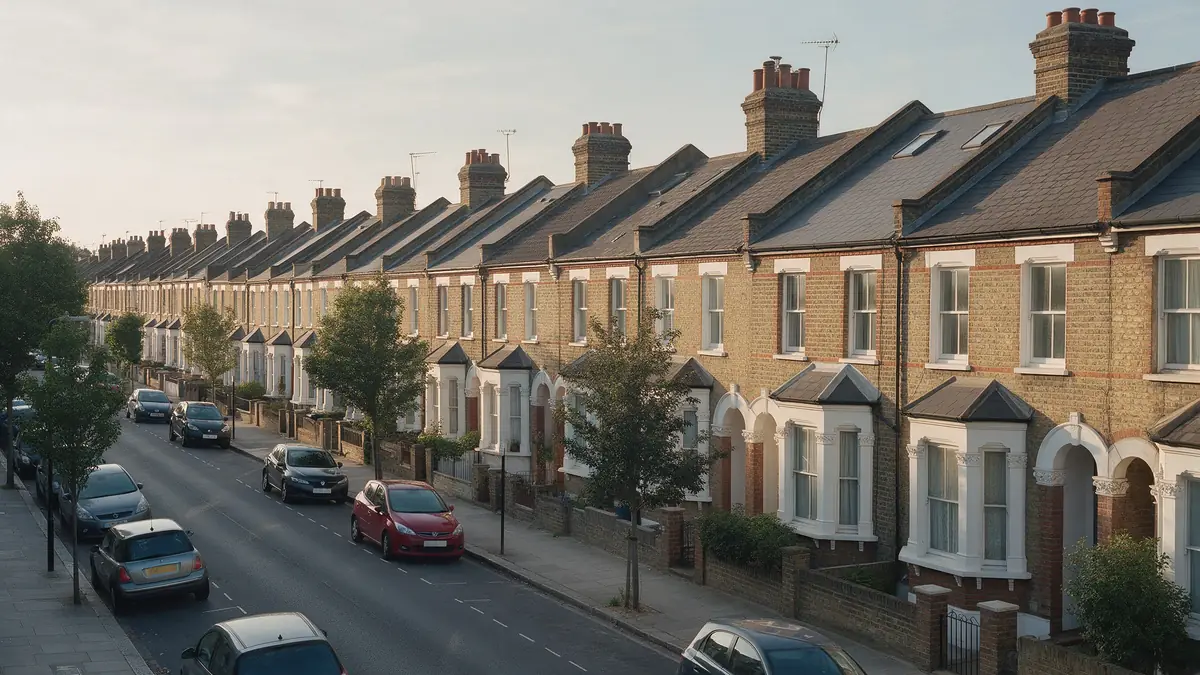
- London: much of London stands on London Clay, which shrinks in dry summers and swells in wet winters, so cracks near trees and bay windows are common. Older solid walls, hidden parapet gutters and loft and basement conversions need a careful eye.
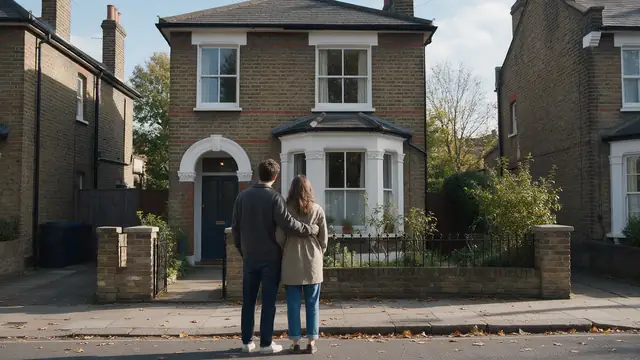
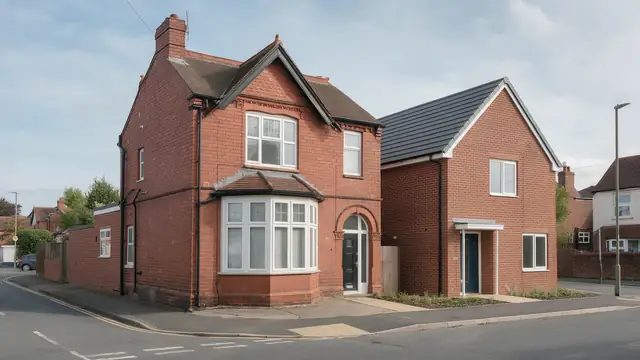
- South East London: boroughs such as Lewisham and Bromley have large Victorian houses, many converted into flats, and interwar semis now around a hundred years old, often extended and with original roof tiles.
- North Kent: in Dartford and Medway, parts of the area sit on chalk, where old workings and natural hollows are known, and Victorian terraces on slopes often have stepped foundations.
- West Kent: around Sevenoaks, period cottages may have timber frames, solid walls with no damp-proof course and roofs repaired many times over.
Ready to book your survey? Get a survey price for the home you are buying.
What should you check before booking a surveyor?
- Professional body: membership of a recognised body such as the RICS, the CIOB or the RPSA. Letters after a name are a starting point, not proof of the best fit.
- The survey level: a RICS Level 2 or Level 3 survey under the RICS Home Survey Standard, matched to the home.
- Experience with the home type: period homes, conversions, flats or non-traditional construction such as timber or steel frame.
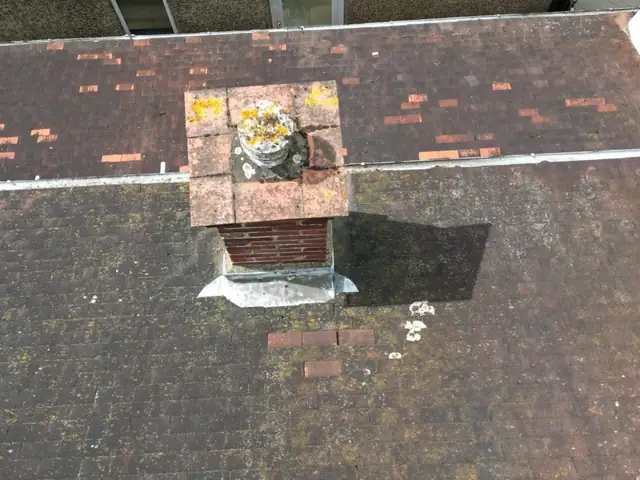
- What the report includes: photographs, condition ratings, causes and repair options, and any extras such as drone roof images or repair costs.
- Turnaround: when the inspection can happen and when the report arrives, including a quick summary of key findings.
- Aftercare: whether the surveyor who inspected the home will talk the report through.
- Reviews: recent independent reviews from real clients.
- The price basis: a fee based on the property type, its size and the survey level, shown before booking.
Which survey level should you ask for?
A Level 2 survey is designed for conventional homes built from 1985 onwards, in reasonable condition and not significantly altered. A Level 3 Building Survey suits homes built before 1985, extended or altered homes, unusual construction and any home showing defects. In much of London and Kent, where most homes are older and many have been altered, Level 3 is the more common choice. When unsure, Level 3 is the safer one. The survey comparison sets out the differences.
What questions should you ask a surveyor?
- Which professional body do you belong to, and how many homes do you inspect each month?
- Which RICS survey level is this, and why does it suit this home?
- How soon can you inspect, and when will the report arrive?
- Will you go into the roof space and lift drain covers where safe?
- Can I speak to you about the findings after the report?
- What does the report not cover?
What are the warning signs of a poor choice?
- No membership of a recognised professional body, or vague answers about qualifications and residential experience.
- A survey that is not one of the RICS Home Survey levels, with no clear scope.
- A price tied to the value of the home.
- No sample report to look at before booking.
- No way to ask the surveyor questions after the report.
What a survey can — and cannot — tell you
A building survey provides an informed assessment of the visible condition of a property. Inspections are non-intrusive and limited to areas that are accessible at the time of inspection.
A local surveyor's report puts the condition of the home in the context of its age, construction and ground, so a buyer knows which defects are typical and which are not.
- Visible movement and cracking, read against the local ground conditions.
- The condition of the roof, walls, floors, windows and services.
- Damp, rot and woodworm in accessible areas.
- Trees, drains and alterations that may affect the home.
However, there are limitations to what a survey can determine without intrusive investigation.
- Ground conditions beneath the home cannot be seen; desk records and specialist tests fill that gap.
- Foundations and buried drains are not exposed.
- Services are not tested.
Where higher-risk indicators are identified, further specialist or intrusive investigation may be recommended.
Frequently asked questions
How do I find a RICS surveyor near me?
The RICS, the CIOB and the RPSA each publish a public directory of members. Check membership, then compare residential experience, survey levels, turnaround and reviews.
Does the surveyor need to be based in my town?
No. What matters is that the surveyor regularly inspects homes in the area and knows its housing and ground conditions.
How soon can a survey take place?
It depends on the surveyor's diary and on access, which the surveyor arranges with the estate agent once the survey is booked.
Is a house surveyor the same as a building surveyor?
Usually, yes. A house surveyor is a building surveyor who inspects homes.