
Is a survey a legal requirement?
No. Nothing in law requires a buyer in England to have a survey, and a sale can go ahead without one. But once contracts are exchanged, the buyer is committed to the property in the condition it is in. Defects found afterwards are the buyer's to deal with.
A survey is the point in the purchase where the condition of the home is checked by an independent professional who acts for the buyer, not the seller, the agent or the lender.
Isn't the mortgage valuation enough?
No. A mortgage valuation is carried out for the lender, to confirm the home is adequate security for the loan. It is often a short visit, it is not a report on condition, and it is not written for the buyer.
| Mortgage valuation | RICS Level 2 or Level 3 survey | |
|---|---|---|
| Who it is for | The lender | The buyer |
| What it does | Confirms value as security for the loan | Reports on the condition of the home |
| Defects | Only those that affect value to the lender | Rated and explained, with next steps |
| Inspection | Brief | Room by room, roof to drains |
Ready to book your survey? Get a survey price for the home you are buying.
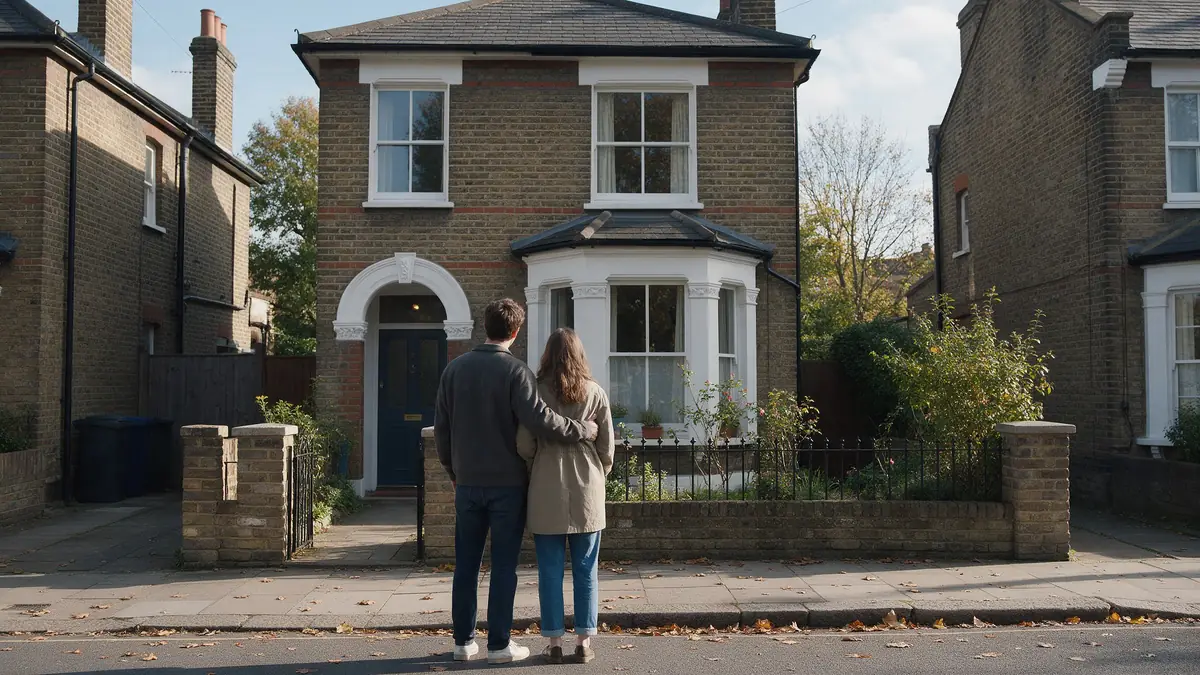
Which survey should you get when buying a house?
The right survey depends on the age, construction and condition of the home, not on its price.
- Level 2 Home Survey: for conventional homes built from 1985 onwards, in reasonable condition and not significantly altered. It checks the main visible parts and rates each one.
- Level 3 Building Survey: for homes built before 1985, extended or altered homes, unusual construction, larger homes, or any home showing cracks, damp or movement. It explains the cause of each defect and the repair options.
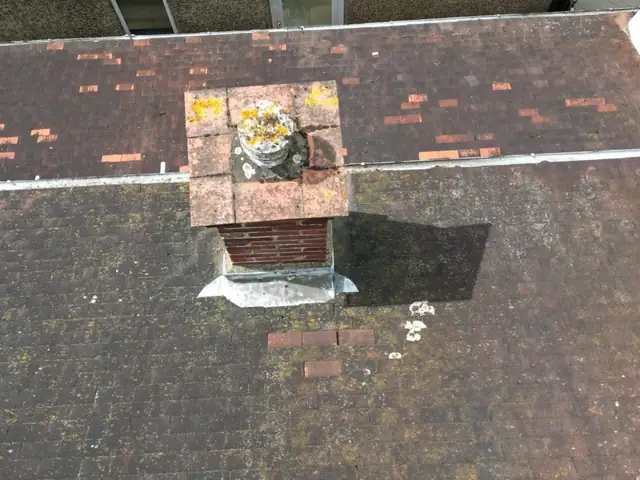
- Level 3+: the full Level 3 survey plus a drone roof inspection where safe to fly, estimated repair costs, a reinstatement cost, a maintenance plan and an alterations feasibility report.
If the age of the home or its alterations are not clear, Level 3 is the safer choice.
When should you book a survey?
Book the survey as soon as an offer has been accepted, and before exchange of contracts. That leaves time to read the report, ask questions, get quotes for repairs, raise points with the solicitor and, if needed, renegotiate.
- Offer accepted.
- Book the survey and the surveyor arranges access with the agent.
- Inspection, with a summary of key findings soon after.
- Full report: read it, ask the surveyor questions and pass legal points to the solicitor.
- Follow up any further investigations, then decide, renegotiate or proceed to exchange.
What can a survey find?
A survey commonly finds problems a viewing does not show, for example:
- Cracking and structural movement, and where it may be coming from.
- Roof defects, slipped tiles, failed flashings and chimney problems.
- Rising damp, penetrating damp and condensation.
- Rot and woodworm in roof timbers and floors.
- Old wiring, ageing boilers and defective drains.
- Alterations, such as removed walls or loft conversions, that the solicitor should check for approvals.
What to look for on a viewing
- Cracks above doors and windows, and doors that stick.
- Damp staining, a musty smell or fresh paint in one patch.
- Slipped tiles, leaning chimneys and sagging roof lines.
- Large trees close to the house.
- Extensions and loft conversions, and when they were built.
Before booking, the free Flettons PropCheck™ tool estimates the property type from the address, which helps in choosing the right survey level.
What a survey can — and cannot — tell you
A building survey provides an informed assessment of the visible condition of a property. Inspections are non-intrusive and limited to areas that are accessible at the time of inspection.
A survey gives a buyer the condition of the home in one report before they are committed, with each part rated and the next steps set out.
- The visible condition of the roof, walls, floors, windows and doors.
- Signs of movement, damp, rot and woodworm.
- The visible condition and age of the services and drains.
- Alterations and points for the solicitor to check.
However, there are limitations to what a survey can determine without intrusive investigation.
- Floorboards, fitted carpets and wall linings are not lifted or removed.
- Services are not tested.
- Foundations and buried drains cannot be seen.
- Furniture and stored belongings limit what can be seen.
Where higher-risk indicators are identified, further specialist or intrusive investigation may be recommended.
Frequently asked questions
Do I need a survey for a new build house?
It is not required, but a newly built home can still have defects. A Level 2 survey or a snagging inspection suits most new builds in good condition.
Do I need a survey if I am buying with cash?
There is no lender's valuation at all on a cash purchase, so a survey is the only professional check on the home's condition.
Who arranges access for the survey?
The surveyor arranges access with the estate agent once the survey is booked.
Can I renegotiate after a survey?
Yes. A buyer can use the findings, and contractors' quotes for repairs, to ask the seller to reduce the price or carry out work before exchange.
Does the survey price depend on the price of the house?
It should not. A fair survey price depends on the property type, its size and the survey level.