
What is the difference between a Level 2 and a Level 3 survey?
Both survey levels look at the same parts of the home. The difference is the depth of the inspection and how much the report explains.
| Level 2 Home Survey | Level 3 Building Survey | |
|---|---|---|
| Purpose | A general condition check that reports significant defects | A detailed inspection of every accessible part of the home |
| Cracks and movement | Reported and referred on | Assessed as structural or superficial, with the probable cause |
| Defects | Rated, with next steps | Rated, with cause, consequences and repair options |
| Windows | A sample opened | Every window tried where possible |
| Services | Visual only; taps not tested | Observed in normal operation; water pressure checked |
| Drains | Visual | Inspection chamber covers lifted where safe |
| Best for | Conventional homes built from 1985 onwards, in reasonable condition, not altered | Older, altered, unusual or larger homes, or any home showing defects |
Ready to book your survey? Get a survey price for the home you are buying.
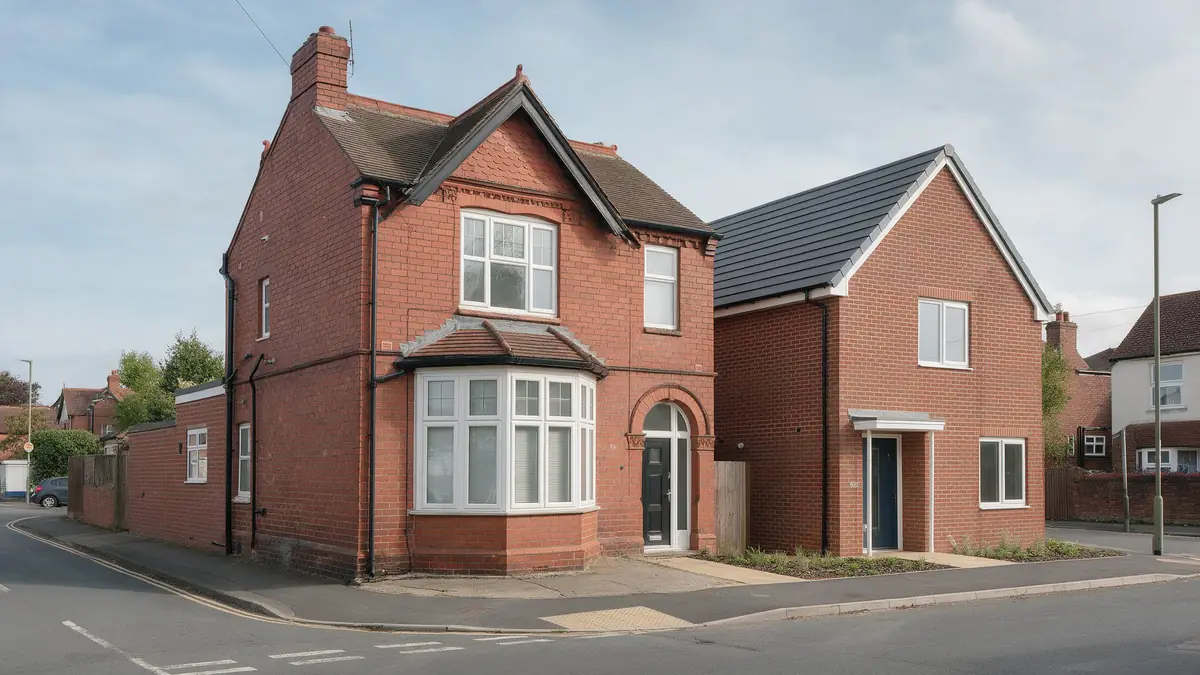
How do you choose: a simple test
A Level 2 survey is suitable only if the answer to every one of these questions is yes:
- Was the home built in 1985 or later?
- Is it in good or reasonable condition, with no visible cracks, damp or movement?
- Is it conventional in build: brick or block walls, a pitched roof, a standard layout?
- Has it been left without significant structural alterations, such as extensions, loft conversions or walls taken out?
A "no" or "not sure" to any question points to a Level 3 Building Survey.
Which survey for common types of home?
| Home | Usual choice |
|---|---|
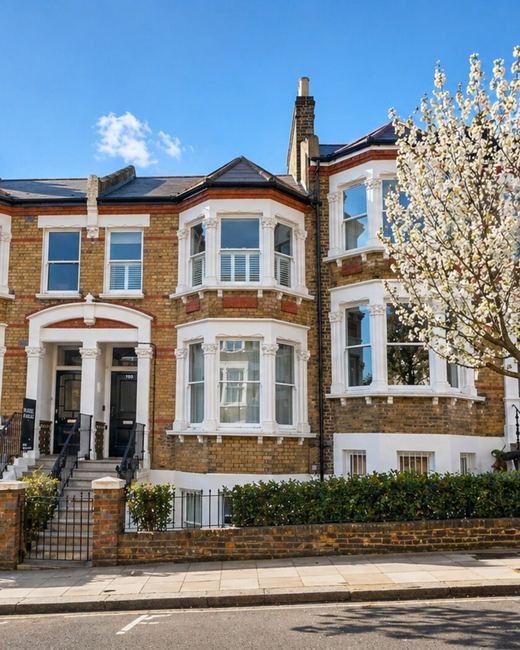
| Victorian or Edwardian terrace | Level 3 |
| 1930s semi-detached house | Level 3 |
| Flat in a converted period house | Level 3 |
| Ex-local authority or non-traditional home (timber, steel or concrete frame) | Level 3 |
| Any home with an extension or loft conversion | Level 3 |
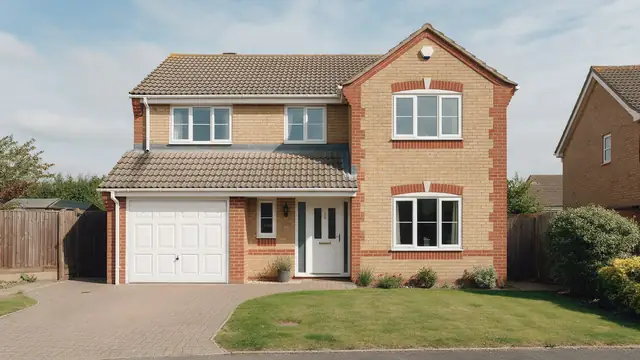
| 1990s or 2000s house in reasonable condition, not altered | Level 2 |
| Flat in a modern purpose-built block, in reasonable condition | Level 2 |
When is Level 3+ worth it?
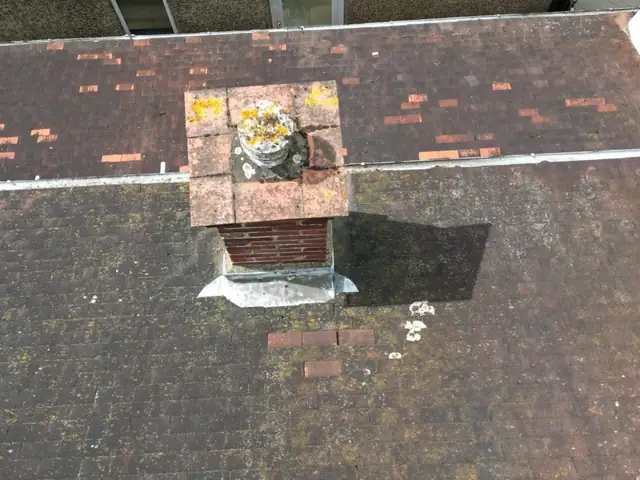
Level 3+ includes the full Level 3 survey plus a drone roof inspection where safe to fly, estimated repair costs, a reinstatement cost for insurance, a maintenance plan and an alterations feasibility report. It suits large, older or higher-value homes, roofs that cannot be seen well from the ground, and buyers who plan to extend or alter.
What happens if you choose the wrong level?
If a Level 2 survey finds signs of structural movement or other serious concerns, it refers them on for further investigation. That can mean a second inspection, extra cost and delay at the point in the purchase when time is shortest. Choosing the right level at the start avoids that.
The full survey comparison sets out every difference point by point.
What a survey can — and cannot — tell you
A building survey provides an informed assessment of the visible condition of a property. Inspections are non-intrusive and limited to areas that are accessible at the time of inspection.
The right survey level gives a buyer the depth of advice the home needs: a clear condition check for a modern home, or a full diagnosis for an older or altered one.
- The visible condition of the home, part by part, with ratings.
- At Level 3, the causes of defects and the repair options.
- Alterations and points for the legal adviser.
- Further investigations needed.
However, there are limitations to what a survey can determine without intrusive investigation.
- Neither level opens up the structure or lifts fitted floors.
- Services are not tested at either level.
- Foundations and buried drains cannot be seen.
Where higher-risk indicators are identified, further specialist or intrusive investigation may be recommended.
Frequently asked questions
Is Level 3 always better than Level 2?
Level 3 goes deeper, but for a modern, conventional, unaltered home in reasonable condition, a Level 2 survey is designed for the job.
My house was built in 1990 but has an extension. Which survey?
Level 3. A significant alteration such as an extension or loft conversion takes a home outside what Level 2 is designed for.
Which survey is best for a flat?
Level 2 for a flat in a modern purpose-built block in reasonable condition; Level 3 for a flat in an older or converted building.
Does the survey level depend on the price of the home?
No. It depends on the home's age, construction, alterations and condition.