
Is a Level 2 survey the same as a HomeBuyer Report?
Yes. The RICS HomeBuyer Report was the long-standing name for the mid-level home survey. Under the RICS Home Survey Standard it is now the Level 2 Home Survey, sometimes still called a Level 2 HomeBuyer Survey or HomeBuyer Report. Some Level 2 surveys can include a valuation, but the survey itself is a report on condition.
What does a Level 2 survey cover?
A Level 2 survey is a general check of the condition of the main parts of the home, from the chimney to the drains, looking for significant defects.
- Outside: chimneys, roof coverings, gutters, walls, windows and doors.
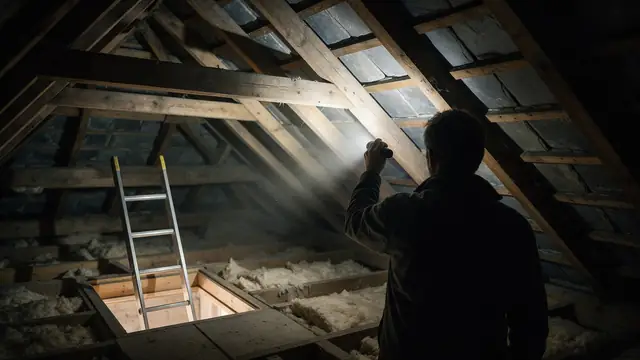
- Roof space: inspected where there is safe access; insulation and stored items are not moved.
- Inside: ceilings, walls, floors, staircases, kitchens and bathrooms.
- Damp: moisture meter readings where damp is suspected.
- Services: the visible condition of the heating, electrics, plumbing and drains.
- Grounds: garages, outbuildings, boundaries and anything that may affect the home.
The surveyor opens a sample of windows, usually one or two on each floor, and leaves the taps untested, as the RICS Home Survey Standard sets for Level 2. Any structural concern is referred on for further investigation.
Ready to book your survey? Get a survey price for the home you are buying.
What do the condition ratings mean?
| Rating | What it means |
|---|---|
| 3 | Defects that are serious and/or need to be repaired, replaced or investigated urgently |
| 2 | Defects that need repairing or replacing but are not considered serious or urgent |
| 1 | No repair is currently needed; normal maintenance continues |
| NI | Not inspected, with the reason given |
The report also sets out next steps: what needs doing, by which trade and when, and points for the buyer's legal adviser.
Is a Level 2 survey right for your home?
A Level 2 survey is the right choice only when all of these are true:
- The home was built from 1985 onwards.
- It is in good or reasonable condition, with no obvious major problems.
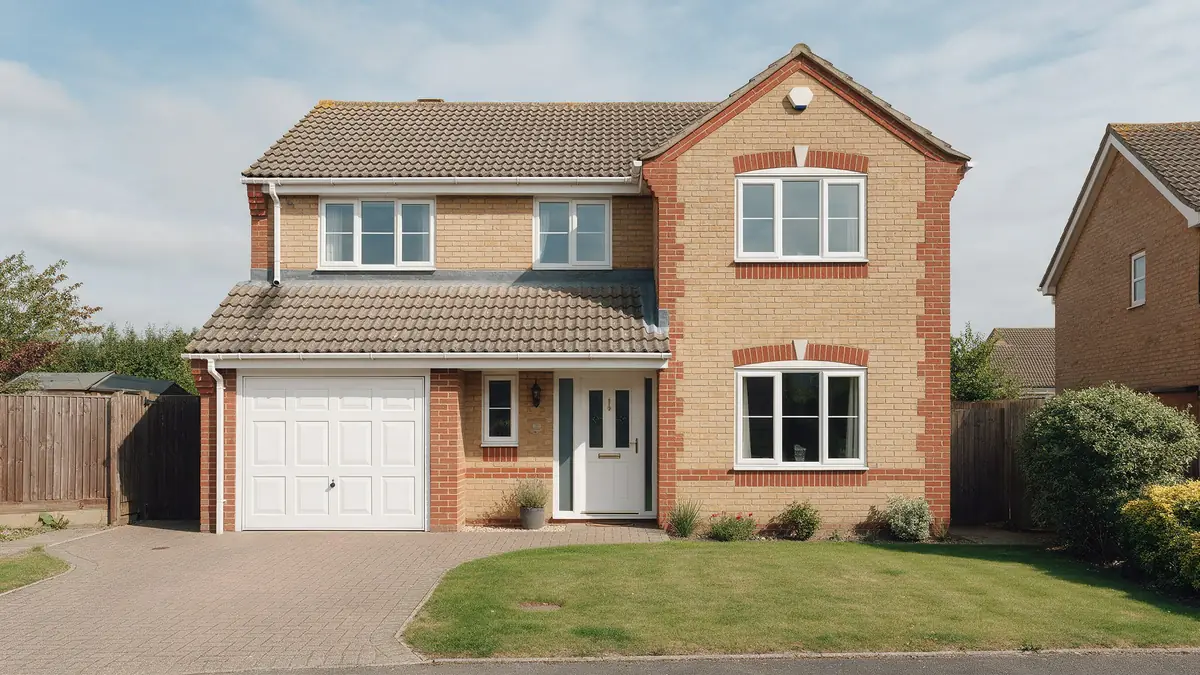
- It is conventional in build: brick or block walls, a pitched roof and a standard layout.
- It has not been significantly altered, with no extensions or structural changes.
If any of these is not true, or not known, a Level 3 Building Survey is the better fit.
What does a Level 2 survey not do?
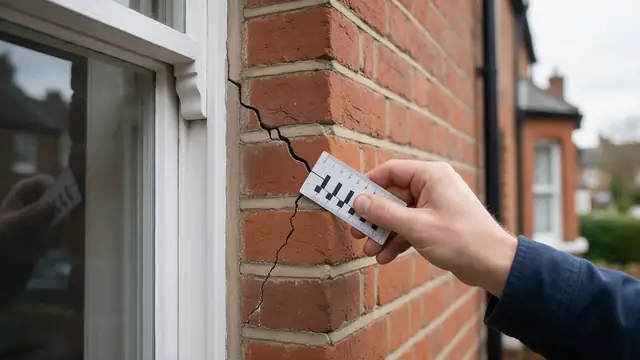
- It does not assess whether cracking is structural or superficial; it reports significant movement and refers it on.
- It does not explain the likely cause of every defect or set out repair options in detail.
- It does not test or operate the services.
- It does not move furniture, lift floor coverings or open up the structure.
How long does a Level 2 report take?
The inspection is shorter than a Level 3 survey. With Flettons, a summary of the key findings arrives the same day as the inspection, typically within 24 hours, and the full report in approximately 10 working days.
What a survey can — and cannot — tell you
A building survey provides an informed assessment of the visible condition of a property. Inspections are non-intrusive and limited to areas that are accessible at the time of inspection.
For a modern, conventional home, a Level 2 survey shows at a glance what needs attention, so a buyer can plan, budget and negotiate before exchanging contracts.
- The condition of the main visible parts of the home, each rated.
- Significant defects, and what to do next.
- Matters for the legal adviser.
However, there are limitations to what a survey can determine without intrusive investigation.
- Structural concerns are referred on rather than diagnosed.
- Services are inspected visually only.
- Hidden areas, foundations and buried drains cannot be seen.
Where higher-risk indicators are identified, further specialist or intrusive investigation may be recommended.
Frequently asked questions
Is a Level 2 survey enough for a Victorian house?
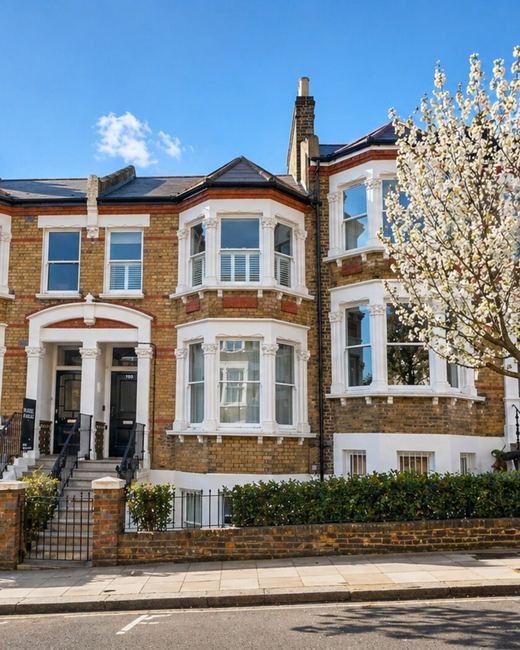
No. A Victorian house was built long before 1985 and usually has solid walls, older roofs and later alterations. A Level 3 Building Survey is designed for it.
Is a Level 2 survey enough for a flat?
For a flat in a modern purpose-built block in reasonable condition, often yes. For a flat in a converted older house, Level 3 is the better fit.
Does a Level 2 survey include a valuation?
Not always. A valuation is an optional part of some Level 2 surveys and should be confirmed when booking.
Can I upgrade to Level 3 after a Level 2?
Where a Level 2 survey refers a structural concern on, a Level 3 survey or a specialist inspection may follow. Choosing the right level at the start avoids the delay.